Using Technology Effectively in Early Childhood Education Settings
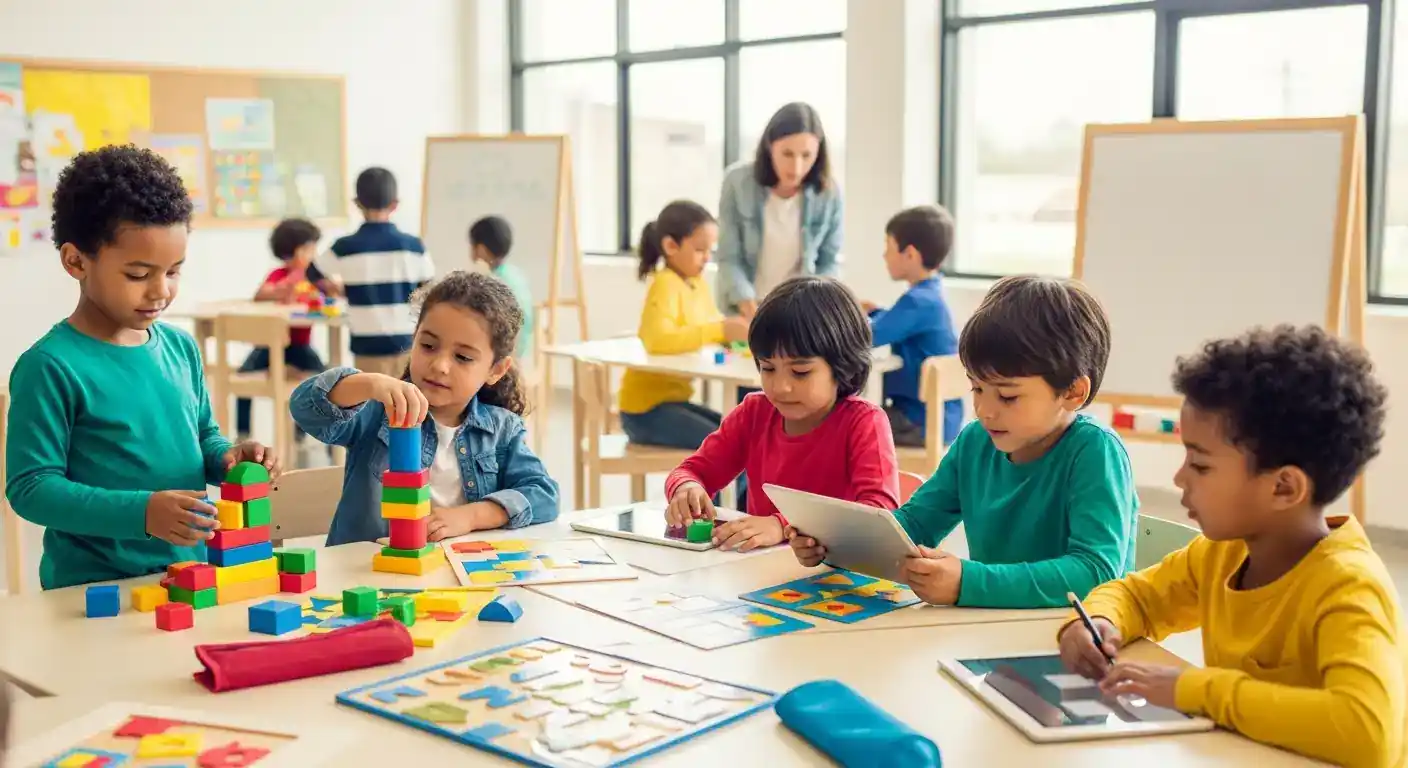
Technology is transforming early childhood education, offering powerful tools to enhance motor skills development. Used effectively, technology can create engaging learning experiences that promote physical development in young children. This article explores how to integrate technology thoughtfully into early childhood settings to maximize its benefits.
Key Points:
- Intentional integration is key for effective tech use.
- Technology supports diverse learning styles and needs.
- Balance screen time with hands-on activities.
- Prioritize developmentally appropriate apps and software.
- Ongoing assessment ensures technology's positive impact.
Technology and Motor Skills Development in Early Childhood
Integrating technology effectively in early childhood education requires careful planning and consideration. Focus on using technology to enhance existing learning activities, not replace them. Interactive games, educational apps, and digital tools can supplement traditional play-based learning and offer new avenues for developing fine and gross motor skills.
Enhancing Fine Motor Skills with Technology
Technology offers unique opportunities to develop fine motor control in young children. Touchscreens, for example, encourage precise finger movements and hand-eye coordination. Educational apps designed for preschoolers often feature activities like tracing letters, drawing shapes, and manipulating virtual objects, all of which refine fine motor skills. Remember to choose apps that are age-appropriate and align with learning objectives.
Developing Gross Motor Skills with Tech Integration
While often associated with sedentary behavior, technology can also be leveraged to promote gross motor development. Movement-based games and interactive projections encourage children to get up and move, developing their balance, coordination, and spatial awareness. For example, virtual obstacle courses or dance games can transform a classroom into an engaging and active learning space. Be sure to provide ample space for safe movement.
Best Practices for Using Technology in Early Childhood Settings
Effective technology integration hinges on thoughtful planning and execution. Here are some best practices to consider:
- Prioritize Developmentally Appropriate Content: Select apps and software that align with children's developmental stage and learning goals.
- Balance Screen Time: Limit screen time and ensure that technology use complements, not replaces, hands-on activities and outdoor play.
- Integrate Technology Purposefully: Use technology to enhance existing curriculum and learning experiences, not simply as a form of entertainment.
- Encourage Active Participation: Choose interactive tools and activities that engage children actively, promoting their creativity and problem-solving skills.
- Provide Adult Guidance and Support: Adults play a crucial role in facilitating technology use, providing guidance, and scaffolding learning experiences.
Differentiating Technological Integration for Maximum Impact
Two key differentiators set apart truly effective technology integration: personalization and assessment. Personalized learning experiences, tailored to each child's individual needs and learning style, maximize the impact of technology. This might involve using adaptive learning software or providing a variety of technological tools to cater to diverse learners. Furthermore, ongoing assessment of technology's effectiveness is crucial. Regularly evaluate how technology is being used and its impact on children's learning and development. This data-driven approach ensures that technology is being used in the most impactful way.
A 2024 study by the National Association for the Education of Young Children (NAEYC) found that personalized technology interventions significantly improved preschoolers' literacy skills. Similarly, a 2023 report by the Joan Ganz Cooney Center highlighted the importance of adult mediation in maximizing the educational benefits of technology for young children.
Internal Linking Strategy:
- Anchor Text: fine motor skills; Target Page Type: category; Link: /categories/motor-skills-development
- Anchor Text: gross motor development; Target Page Type: related article; Link: /articles/promoting-gross-motor-development-in-early-childhood
- Anchor Text: personalized learning experiences; Target Page Type: related article; Link: /articles/creating-personalized-learning-experiences-with-technology
FAQ: Technology in Early Childhood Education
Q1: How much screen time is appropriate for preschoolers?
A1: The American Academy of Pediatrics recommends limiting screen time for children aged 2-5 to one hour per day of high-quality programming. It’s important to prioritize interactive activities over passive screen time.
Q2: What are some examples of developmentally appropriate apps for preschoolers?
A2: Apps that focus on pre-literacy skills, numeracy, problem-solving, and creativity are generally suitable for preschoolers. Look for apps with minimal advertising and age-appropriate content.
Q3: How can I ensure that technology is being used effectively in my classroom?
A3: Regularly observe children’s interactions with technology, assess their learning outcomes, and solicit feedback from parents and colleagues. Adjust your technology integration strategies based on this ongoing evaluation.
Q4: Are there any concerns about using technology with young children?
A4: Some concerns include potential negative effects on social-emotional development and the risk of excessive screen time. Addressing these concerns requires mindful integration and a balanced approach to technology use.
Conclusion: Embracing Technology's Potential
Using technology effectively in early childhood education requires a thoughtful and balanced approach. By prioritizing developmentally appropriate content, limiting screen time, and focusing on active engagement, educators can harness the power of technology to enhance motor skills development and create rich, engaging learning experiences for young children. Share your experiences and thoughts on integrating technology in the comments below! For further reading, explore resources from the NAEYC and the Fred Rogers Center. Consider subscribing to our newsletter for more insights on early childhood education.
Expandable Subtopics:
- The role of artificial intelligence in early childhood education.
- Using virtual reality and augmented reality to enhance learning.
- Addressing digital equity and access to technology in early childhood settings.
This article was published on 2025-09-01 and is recommended to be reviewed and updated annually to reflect the latest advancements and research in educational technology.