The Importance of Social-Emotional Learning in Early Childhood Education
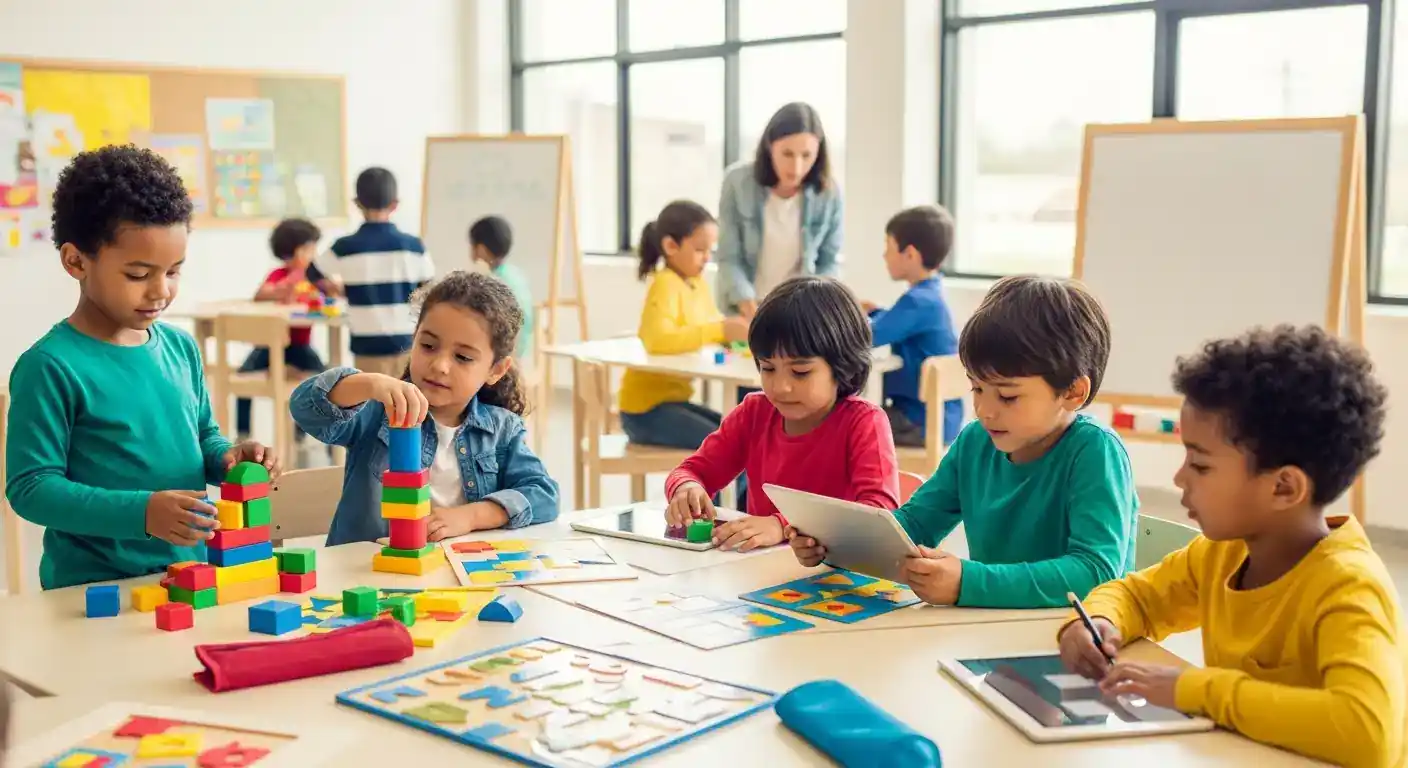
Social-emotional learning (SEL) plays a vital role in a child's overall development and future success. It provides children with the essential skills to navigate social situations, manage emotions, and build strong relationships. This foundation is crucial for academic achievement, career success, and overall well-being.
Key Points:
- SEL fosters crucial life skills.
- It enhances academic performance.
- SEL promotes positive mental health.
- It builds strong relationships.
- Social-emotional learning equips children for future success.
Social-Emotional Learning: A Foundation for Life
Social-emotional learning in early childhood equips children with the fundamental building blocks for navigating the complexities of life. These skills aren't just about playing nicely; they're about understanding and managing emotions, building relationships, and making responsible decisions. A 2024 study by the Collaborative for Academic, Social, and Emotional Learning (CASEL) highlighted the long-term benefits of SEL, including improved academic performance and reduced behavioral problems.
Why Social-Emotional Learning in Early Childhood Matters
Early childhood is a critical period for brain development. During these formative years, children develop crucial social-emotional skills that shape their future interactions and learning. Investing in SEL during this time has a significant impact on a child's future. For instance, a child who learns to regulate their emotions in preschool is better equipped to handle academic challenges in elementary school and beyond.
Building Blocks of Social-Emotional Development
Several core competencies make up social-emotional learning:
- Self-Awareness: Recognizing one's own emotions and how they influence behavior.
- Self-Management: Regulating emotions, controlling impulses, and setting goals. This was emphasized in a 2023 report by the National Association for the Education of Young Children (NAEYC).
- Social Awareness: Understanding and empathizing with others' perspectives and emotions.
- Relationship Skills: Building and maintaining healthy relationships, communicating effectively, and resolving conflicts constructively.
- Responsible Decision-Making: Making thoughtful choices based on ethical considerations and social norms.
Social-Emotional Learning and Academic Success
Social-emotional learning isn't just about social skills; it's intricately linked to academic success. Children who can manage their emotions and build positive relationships are more likely to focus in class, participate actively, and persevere through challenges. This connection is supported by a 2025 study published in the Journal of Educational Psychology. It found a strong correlation between SEL skills and improved academic outcomes.
Fostering Social-Emotional Learning in the Classroom
Educators play a vital role in nurturing children's social-emotional development. Creating a supportive and inclusive classroom environment is crucial. This includes:
- Modeling positive social interactions: Teachers can demonstrate empathy, active listening, and conflict resolution skills.
- Providing opportunities for collaboration: Group projects and activities encourage teamwork and communication.
- Integrating SEL into the curriculum: Lessons can incorporate discussions about emotions, relationships, and social situations.
- Creating a safe space for emotional expression: Children need to feel comfortable expressing their feelings without fear of judgment.
Differentiated Content: Beyond the Basics
While many resources focus on the basic components of SEL, two key areas often get overlooked:
- Cultural Responsiveness: SEL must be implemented in a culturally sensitive manner, recognizing and valuing the diverse backgrounds and experiences of children. This includes acknowledging cultural differences in emotional expression and communication styles.
- Trauma-Informed Practices: Many children experience trauma that can significantly impact their social-emotional development. Implementing trauma-informed practices creates a safe and supportive environment that addresses the unique needs of these children.
Frequently Asked Questions about Social-Emotional Learning
Q1: How can parents support their child's social-emotional development at home?
A1: Parents can model positive social-emotional skills, create opportunities for children to practice these skills in everyday situations, and talk openly about emotions. Reading books together that explore different emotions and social situations can also be helpful.
Q2: What are some signs that a child might be struggling with social-emotional development?
A2: Signs might include difficulty managing emotions, frequent outbursts, challenges with making friends, or difficulty understanding social cues. If you're concerned, talk to your child's teacher or pediatrician.
Q3: How can I measure my child's social-emotional growth?
A3: Observing your child's behavior in different social situations is key. Look for improvements in their ability to manage emotions, build relationships, and make responsible decisions. Formal assessments are also available through schools and professionals.
Q4: What resources are available for educators looking to implement SEL in their classrooms?
A4: Organizations like CASEL and NAEYC offer valuable resources, including lesson plans, professional development opportunities, and research-based best practices.
Conclusion: Investing in the Future
Social-emotional learning is an essential investment in a child's future. By nurturing these crucial skills in early childhood, we equip children with the tools they need to thrive academically, socially, and emotionally. Learn more about developing language skills on our /categories/language-communication-skills page. For further reading, explore our article on effective communication strategies for children at /articles/effective-communication-strategies-for-children. Share your thoughts and experiences in the comments below! Subscribe to our newsletter for more valuable insights on early childhood education. You can also explore our article on fostering empathy in children at /articles/fostering-empathy-in-children.
Future Expansion Topics:
- The role of play in social-emotional development.
- Addressing social-emotional challenges in specific age groups.
- The impact of technology on social-emotional learning.