The Importance of Play-Based Learning in Early Childhood Education
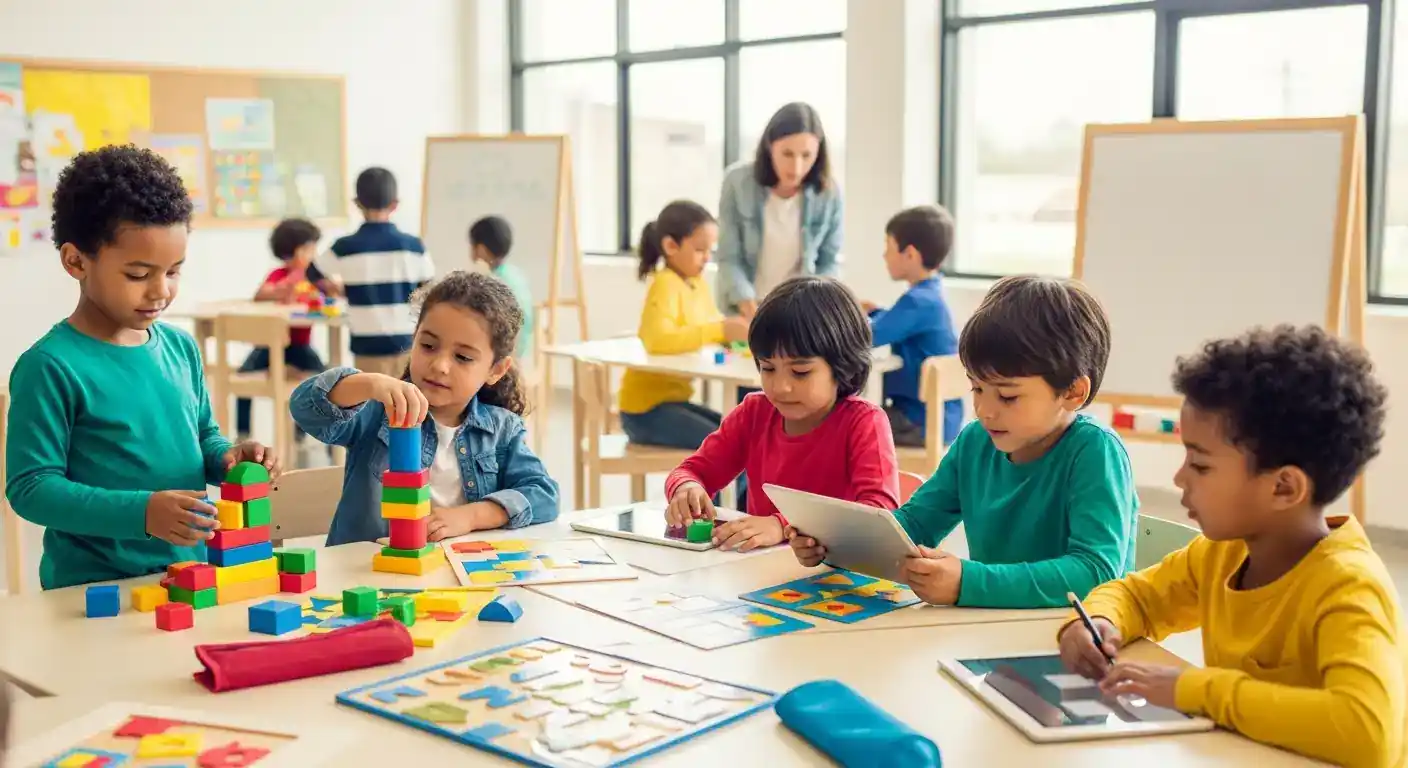
Play-based learning is a crucial aspect of early childhood education, fostering holistic development through engaging activities. It encourages children to explore, experiment, and learn at their own pace, building essential skills for future success. This approach recognizes play as a child's natural language and leverages it for educational purposes.
Key Points:
- Enhances creativity and problem-solving skills
- Develops social-emotional intelligence
- Improves language and communication abilities
- Fosters physical development and coordination
- Builds a strong foundation for future learning
Play-Based Learning: A Foundation for Development
Play-based learning in early childhood education isn't just about letting children have fun; it's a powerful tool that shapes their cognitive, social, emotional, and physical development. Through play, children learn to interact with their environment, negotiate with peers, and develop crucial problem-solving skills. This active learning approach empowers children to take ownership of their learning journey.
Benefits of Play-Based Learning in Early Childhood
Play-based learning offers a multitude of benefits. It encourages creativity and imagination, allowing children to express themselves freely. Building blocks become castles, and sticks transform into magic wands, sparking innovative thinking. This type of learning also promotes social-emotional growth. Children learn to share, cooperate, and resolve conflicts, developing essential social skills.
Developing Key Skills Through Play
- Language development: Dramatic play and storytelling activities enhance vocabulary and communication skills. Children learn to articulate their thoughts and feelings, building confidence in their expressive abilities.
- Physical development: Active play, such as running, jumping, and climbing, improves gross motor skills and coordination. Manipulative play with puzzles and building toys refines fine motor skills crucial for writing and other tasks.
- Cognitive development: Problem-solving, critical thinking, and decision-making are all honed through play. Children encounter challenges, strategize solutions, and learn from their experiences, fostering cognitive growth.
Implementing Play-Based Learning in the Classroom
Creating a play-based learning environment requires intentional planning and design. Teachers should provide a variety of age-appropriate materials and activities that cater to different learning styles. Open-ended materials, such as blocks, art supplies, and dramatic play props, encourage exploration and creativity. The classroom should be organized into distinct learning centers, each offering a different type of play experience. Providing opportunities for both structured and unstructured play ensures a balanced approach to learning.
Engaging with Play-Based Learning at Home
Parents can extend play-based learning beyond the classroom by incorporating it into their daily routines. Simple activities like reading together, playing board games, or engaging in imaginative play can significantly contribute to a child's development. Creating a supportive and stimulating environment at home reinforces the learning that takes place in school.
The Future of Play-Based Learning
Recent research emphasizes the long-term benefits of play-based learning, highlighting its positive impact on academic achievement and overall well-being. A 2024 study by the National Association for the Education of Young Children (NAEYC) showed significant improvements in literacy and numeracy skills among children who participated in play-based programs. Another study published in Early Childhood Research Quarterly in 2023 demonstrated the positive correlation between play and social-emotional development. These findings further validate the importance of play in early childhood education.
One differentiated point we offer is highlighting the integration of technology into play-based learning. Using interactive apps and educational games can enhance the learning experience and engage children in new and exciting ways. Another key differentiator is focusing on the importance of observation and assessment in play-based learning. Teachers should carefully observe children's play to understand their individual needs and tailor their instruction accordingly.
Internal Link Suggestions:
- Anchor Text: creative arts activities Target: /categories/creative-arts-education (Category)
- Anchor Text: benefits of imaginative play Target: /articles/benefits-of-imaginative-play (Related Article)
- Anchor Text: early childhood development stages Target: /articles/early-childhood-development-stages (Related Article)
FAQ: Play-Based Learning
Q: What is the difference between free play and play-based learning?
A: While both involve play, play-based learning incorporates intentional educational goals. Teachers carefully select activities and materials to support specific learning objectives, while still allowing children the freedom to explore and discover.
Q: How can I incorporate play-based learning at home?
A: Create a designated play area with a variety of toys and materials. Engage in imaginative play with your child, ask open-ended questions, and encourage problem-solving. Limit screen time and prioritize hands-on activities.
Q: Is play-based learning effective for all children?
A: Yes, play-based learning can be adapted to meet the individual needs of all children, including those with disabilities. Teachers can modify activities and provide additional support to ensure that all children can participate and benefit.
Q: How can I assess my child's learning through play?
A: Observe your child's play, listen to their conversations, and ask questions about what they are doing. Look for evidence of learning in their creations, problem-solving strategies, and social interactions.
Conclusion: Embracing the Power of Play
Play-based learning is not merely a trend; it is a fundamental approach to early childhood education that recognizes the power of play in shaping young minds. By embracing play as a valuable learning tool, we can empower children to reach their full potential and develop a lifelong love of learning. Share your experiences with play-based learning in the comments below! Subscribe to our newsletter for more insights on early childhood education. For further reading, explore the resources available on the NAEYC website.
Future Expansion Topics:
- Integrating Technology in Play-Based Learning
- Assessing Learning Through Play
- Creating Inclusive Play-Based Environments