Social-Emotional Learning for Toddlers: Nurturing Empathy and Self-Control
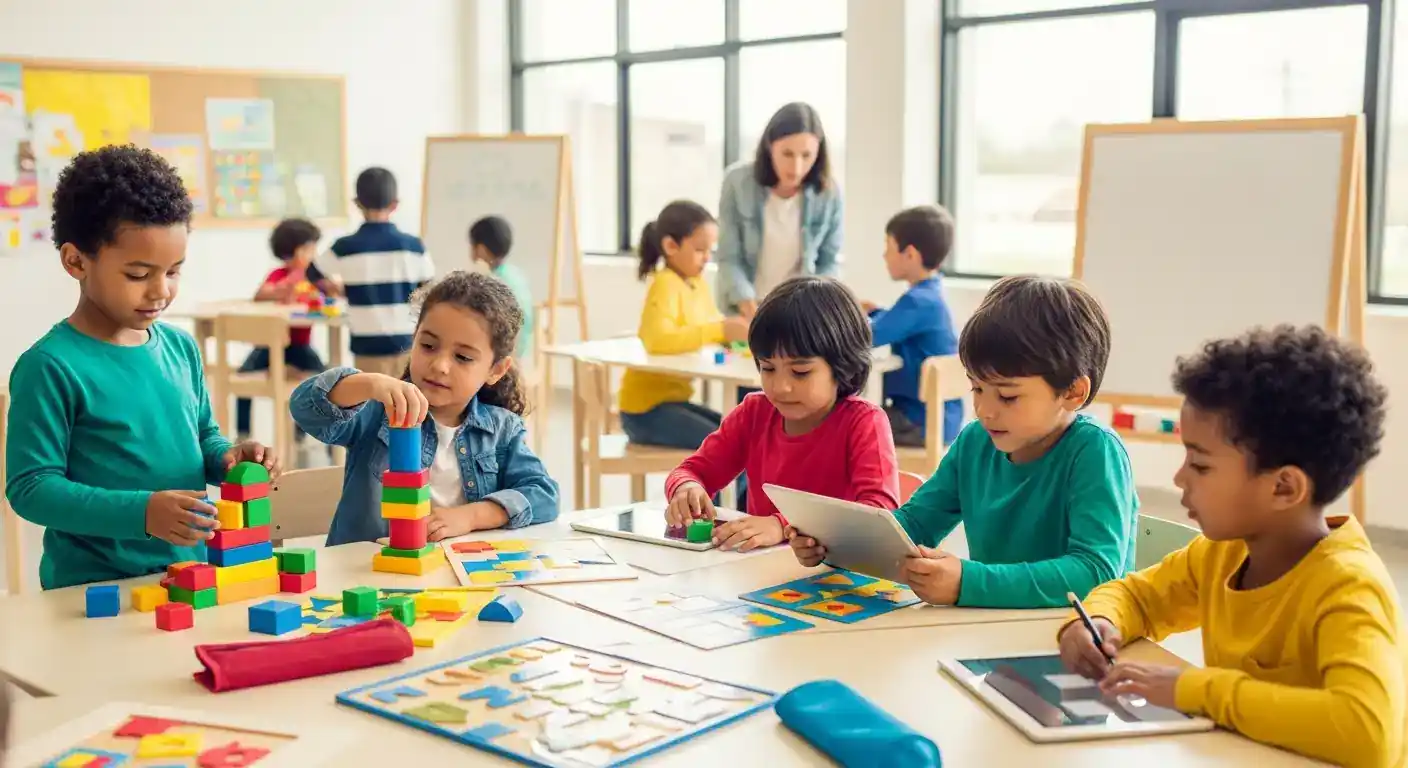
Social-Emotional Learning for Toddlers: Nurturing Empathy and Self-Control
The toddler years are a period of incredible growth and discovery, not just physically and cognitively, but also emotionally and socially. Social-Emotional Learning (SEL) for toddlers is about equipping our youngest learners with the fundamental skills to understand and manage their emotions, set and achieve positive goals, feel and show empathy for others, establish and maintain positive relationships, and make responsible decisions. This foundational learning is crucial for their overall well-being and future success, impacting everything from their interactions in preschool to their resilience in adulthood. By focusing on nurturing empathy and self-control early on, we lay the groundwork for emotionally intelligent and well-adjusted individuals.
Key Points for Nurturing Toddler SEL:
- Start Early: SEL skills begin developing in infancy and are significantly shaped during the toddler years.
- Model Behavior: Children learn by observing, so parents and caregivers are primary role models for emotional expression and regulation.
- Use Play: Play is a powerful tool for teaching social skills, problem-solving, and emotional understanding.
- Name Emotions: Help toddlers identify and label their feelings, building their emotional vocabulary.
- Practice Patience: Developing empathy and self-control is a process that requires consistent effort and understanding.
Understanding Social-Emotional Learning in Early Childhood
Social-emotional learning (SEL) encompasses a broad range of skills that are essential for navigating the world successfully. For toddlers, this means learning to recognize a happy face, understanding that a friend is sad, or waiting their turn for a toy. These seemingly small interactions are the building blocks of complex social competencies. Early exposure to SEL principles helps toddlers develop a strong sense of self and an understanding of others, which is vital for healthy development.
Research consistently shows that children with strong social-emotional skills are more likely to succeed academically, maintain positive relationships, and exhibit fewer behavioral problems. A 2024 study published in the Journal of Early Childhood Development highlighted that intentional SEL interventions in toddlerhood significantly predicted improved executive function skills by age five. This underscores the long-term benefits of focusing on these areas from a young age.
Nurturing Empathy in Toddlers
Empathy, the ability to understand and share the feelings of another, is a cornerstone of positive social interaction. For toddlers, empathy often manifests as a natural inclination to comfort a crying peer or offer a favorite toy to someone who seems upset. Cultivating this innate capacity is a key aspect of nurturing empathy in toddlers.
Practical Strategies for Fostering Empathy:
- Label Emotions: When a child or another person expresses an emotion, name it. "Look, Sarah is sad because her block tower fell down." This helps toddlers connect feelings with situations.
- Discuss Feelings in Stories: Read books and talk about how the characters feel. "How do you think the bear felt when he lost his honey?" This encourages perspective-taking.
- Model Empathetic Behavior: Show empathy in your own interactions. If a friend is having a tough day, explain to your toddler how you're showing support. "Mommy is going to give Auntie a hug because she's feeling a little down today."
- Encourage Helping: Provide opportunities for toddlers to help others, whether it's sharing a snack or assisting with a simple chore. Even small acts of kindness reinforce empathetic actions.
- Acknowledge and Validate Feelings: When your toddler is upset, acknowledge their feelings before trying to fix the problem. "I see you're really frustrated that the puzzle isn't fitting." This teaches them that all feelings are okay.
Developing Self-Control in Young Children
Self-control, or emotional regulation, is the ability to manage one's impulses, thoughts, and emotions to achieve a goal. For toddlers, this can be incredibly challenging as their brains are still developing the prefrontal cortex responsible for executive functions. However, the toddler years are a critical window for laying the groundwork for toddler self-control.
Effective Techniques for Building Self-Control:
- Establish Predictable Routines: Consistent routines help toddlers feel secure and understand what to expect, reducing anxiety and impulsive reactions. Knowing what comes next can significantly aid in emotional regulation.
- Set Clear Boundaries and Expectations: Toddlers thrive on clear, simple rules. Explain why certain rules exist in an age-appropriate way. "We use gentle hands because hitting hurts."
- Teach Coping Strategies: Introduce simple ways for toddlers to calm down when overwhelmed, such as taking a deep breath, hugging a comfort item, or counting to three. These tools empower them to manage big emotions.
- Practice Waiting and Taking Turns: Incorporate games and activities that require waiting, like "Red Light, Green Light" or board games. This directly builds their patience and impulse control.
- Offer Limited Choices: Instead of saying "no" outright, offer two acceptable choices. "Do you want to wear the blue shirt or the red shirt?" This gives them a sense of control within boundaries, reducing power struggles.
- Positive Reinforcement: Acknowledge and praise efforts at self-control, even small ones. "I noticed you waited so patiently for your turn, that was wonderful!" This encourages repetition of desired behaviors.
Integrating SEL into Daily Life and Play
Integrating social-emotional learning for toddlers doesn't require special classes; it happens naturally through everyday interactions and play. Parents and caregivers are the primary facilitators of this learning. For more insights into fostering communication skills alongside emotional growth, readers can explore related articles on early language development.
Play-Based Learning for Social-Emotional Growth:
- Role-Playing: Encourage pretend play where toddlers can act out different scenarios and emotions. Playing "doctor" or "family" helps them understand social roles and empathy.
- Cooperative Games: Introduce simple games that require teamwork, like building a block tower together or rolling a ball back and forth. This teaches sharing and cooperation.
- Emotion Puzzles/Cards: Use visual aids like emotion cards or puzzles to help toddlers identify and match different facial expressions with feeling words. This enhances their emotional vocabulary.
- Puppet Play: Puppets can be a non-threatening way to explore difficult emotions or social situations. A puppet can express sadness or anger, allowing the child to offer solutions.
Differentiated Insights: Beyond the Basics
While many resources cover the fundamentals of SEL, two key areas offer differentiated value for parents and caregivers today. Firstly, the growing understanding of the toddler brain's neuroplasticity emphasizes that early SEL interventions aren't just beneficial, they actively shape neural pathways related to emotional regulation and social cognition. A 2025 review in Child Development Perspectives highlighted how responsive caregiving during the "toddler brain bloom" significantly impacts the development of the prefrontal cortex, which is crucial for self-control. This means our daily interactions are literally building their brains.
Secondly, the concept of "emotional scaffolding" is gaining traction. This involves parents providing just enough support to help a toddler manage an emotion or social situation, without taking over completely. For example, if a toddler is frustrated with a toy, instead of immediately fixing it, a parent might say, "That's a tricky toy, isn't it? What could we try next?" or "Let's take a deep breath together." This approach, supported by recent findings in developmental psychology, empowers toddlers to develop their own coping mechanisms and problem-solving skills, fostering genuine SEL for young children.
FAQ: Common Questions About Toddler SEL
Q1: How can I tell if my toddler is developing empathy?
A1: You might observe your toddler showing concern when another child cries, offering a toy to someone who seems sad, or trying to comfort a distressed pet. These are early signs of empathy. They may also mimic your emotional responses to others. Remember, empathy develops gradually, so consistent modeling and discussion of emotions are key.
Q2: What if my toddler struggles with self-control, like frequent tantrums?
A2: Tantrums are a normal part of toddler development as they learn to manage big feelings and desires. Focus on prevention by ensuring routines, offering choices, and teaching simple calming techniques like deep breaths. During a tantrum, stay calm, acknowledge their feelings, and ensure their safety. Consistency is more important than perfection.
Q3: Are there specific toys or games that promote social-emotional learning?
A3: Yes, many toys and games can help! Look for open-ended toys like blocks, dolls, puppets, and dress-up clothes that encourage imaginative play and role-playing. Simple board games that involve turn-taking and following rules are also excellent for developing patience and social skills. Books about feelings are also highly beneficial.
Q4: When should I be concerned about my toddler's social-emotional development?
A4: While every child develops at their own pace, consult with your pediatrician if you notice persistent difficulties such as extreme aggression, a complete lack of interest in other children, inability to make eye contact, or significant delays in language development that impact social interaction. Early intervention can make a significant difference.
Conclusion: Building a Foundation for Life
Investing in social-emotional learning for toddlers is one of the most impactful things parents and caregivers can do. By intentionally nurturing empathy and self-control, we equip our children with the essential tools to navigate complex emotions, build meaningful relationships, and thrive in an ever-changing world. Remember, every interaction is an opportunity to teach, model, and reinforce these vital skills.
We encourage you to share your own experiences and tips for fostering SEL in toddlers in the comments below. Your insights can help other parents on this rewarding journey. For further reading on related topics, explore articles on positive parenting techniques or effective communication strategies for young children. Start today, and watch your toddler blossom into an emotionally intelligent and resilient individual.
Structured Data Suggestions:
- Article Schema: For the main content of the blog post.
- FAQPage Schema: For the "FAQ: Common Questions About Toddler SEL" section.
Timeliness and Scalability: This article was published on March 1, 2026. Given the ongoing research in child development and neuroscience, it is recommended to review and update this content annually, or as significant new studies (e.g., from institutions like the American Academy of Pediatrics or the Collaborative for Academic, Social, and Emotional Learning - CASEL) emerge regarding early childhood SEL.
Expandable Related Subtopics for Future Updates:
- The Role of Attachment in Toddler Social-Emotional Development
- Addressing Challenging Behaviors Through an SEL Lens
- SEL for Toddlers in Group Settings: Preschool and Daycare Strategies