Social-Emotional Learning for Kids: Nurturing Empathy and Self-Control
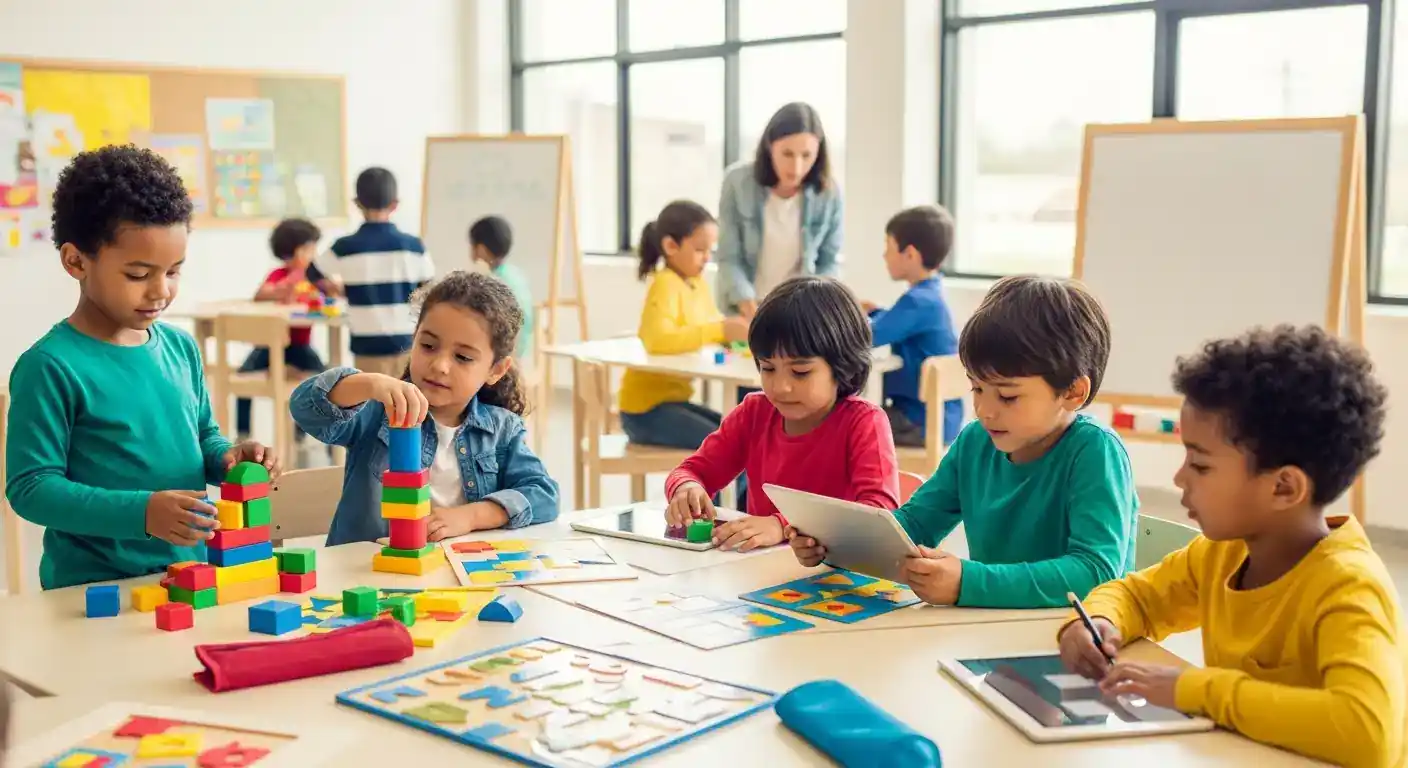
In today's fast-paced world, equipping children with more than just academic knowledge is paramount. Social-Emotional Learning for Kids (SEL) stands as a critical framework for developing the essential life skills that foster well-being, academic success, and positive relationships. It's about helping children understand and manage emotions, set and achieve positive goals, feel and show empathy for others, establish and maintain positive relationships, and make responsible decisions. By intentionally nurturing empathy and self-control, we empower children to navigate life's challenges with resilience and compassion. This article delves into the core components of SEL, offering practical strategies for parents and educators to integrate these vital lessons into daily life.
Key Points:
- Holistic Development: SEL supports emotional intelligence, not just academics.
- Empathy Building: Teaches children to understand and share others' feelings.
- Self-Control Mastery: Develops the ability to manage impulses and emotions.
- Lifelong Skills: Fosters resilience, positive relationships, and responsible choices.
- Practical Strategies: Actionable methods for home and school environments.
Understanding Social-Emotional Learning for Kids
Social-Emotional Learning (SEL) is the process through which children and adults acquire and effectively apply the knowledge, attitudes, and skills necessary to understand and manage emotions, set and achieve positive goals, feel and show empathy for others, establish and maintain positive relationships, and make responsible decisions. It's a foundational aspect of child development, often highlighted by organizations like the Collaborative for Academic, Social, and Emotional Learning (CASEL). Integrating SEL into a child's upbringing is not merely an add-on; it's a crucial investment in their overall well-being and future success.
The Five Core Competencies of SEL
The CASEL framework outlines five interconnected competencies that form the bedrock of effective Social-Emotional Learning:
- Self-Awareness: The ability to accurately recognize one's own emotions, thoughts, and values and how they influence behavior. This includes understanding one's strengths and limitations with a well-grounded sense of confidence.
- Self-Management: The ability to regulate one's emotions, thoughts, and behaviors effectively in different situations. This involves managing stress, controlling impulses, motivating oneself, and working toward personal and academic goals. Developing self-control in kids is a key aspect here.
- Social Awareness: The ability to take the perspective of and empathize with others, including those from diverse backgrounds and cultures. This involves understanding social and ethical norms for behavior and recognizing family, school, and community resources and supports. Nurturing empathy is central to this competency.
- Relationship Skills: The ability to establish and maintain healthy and rewarding relationships with diverse individuals and groups. This includes communicating clearly, listening actively, cooperating, resisting inappropriate social pressure, negotiating conflict constructively, and seeking and offering help when needed.
- Responsible Decision-Making: The ability to make constructive choices about personal behavior and social interactions across diverse situations. This involves considering ethical standards, safety concerns, and the well-being of self and others, and evaluating the consequences of various actions.
Nurturing Empathy in Children: A Cornerstone of SEL
Empathy is the capacity to understand or feel what another person is experiencing from within their frame of reference. It's a powerful skill that underpins kindness, compassion, and effective communication. How to teach empathy to children is a common question for parents and educators alike. Developing this skill early helps children build stronger relationships and navigate social complexities with greater understanding.
One effective strategy is perspective-taking. Encourage children to imagine themselves in someone else's shoes. For instance, after reading a story, ask, "How do you think the character felt when that happened?" or "What would you do if you were them?" This simple exercise helps them connect with others' experiences. Another approach is active listening and validation. When a child expresses their feelings, listen without judgment and validate their emotions, even if you don't agree with their reaction. Say, "I hear you're feeling frustrated because your tower fell down. That's really tough." This models empathetic responses.
Furthermore, exposing children to diverse cultures and experiences, whether through books, travel, or community events, broadens their understanding of different perspectives. A 2024 study by the Child Development Institute highlighted that children who regularly engage in diverse storytelling show significantly higher levels of empathetic understanding compared to their peers. This demonstrates the profound impact of varied narratives on a child's ability to connect with others.
Developing Self-Control in Kids: Essential for Success
Self-control, often referred to as self-regulation, is the ability to manage one's impulses, emotions, and behaviors to achieve long-term goals. It's a vital component of executive function and plays a significant role in academic achievement, social competence, and overall mental health. Developing self-regulation skills in kids is a continuous process that requires patience and consistent effort from caregivers.
One highly effective method for fostering self-control is teaching mindfulness techniques. Simple breathing exercises or "body scans" can help children become more aware of their internal states and learn to pause before reacting. For example, encourage a child to take three deep breaths when they feel angry or frustrated. This creates a moment of reflection, allowing them to choose a more constructive response. Another strategy involves setting clear expectations and routines. Predictable environments help children anticipate what comes next, reducing anxiety and the likelihood of impulsive behavior.
Providing opportunities for children to practice goal-setting also strengthens their self-control. Start with small, achievable goals, such as saving up for a specific toy or completing a chore without being asked. Celebrate their progress and discuss the effort required to reach their objectives. According to a 2023 report from the National Association for the Education of Young Children (NAEYC), children who regularly engage in self-directed goal-setting activities demonstrate improved persistence and emotional regulation. For more insights on fostering positive behaviors, readers can explore related articles on positive parenting techniques.
Practical Social-Emotional Learning Strategies for Parents and Educators
Integrating Social-Emotional Learning for Kids into daily life doesn't require specialized training; it often involves intentional shifts in how we interact with children.
At Home: Daily Routines and Conversations
Parents are a child's first and most influential SEL teachers.
- Emotion Coaching: Help children identify and label their feelings. Instead of dismissing emotions, say, "I see you're feeling sad because your friend left. It's okay to feel sad." Then, guide them toward problem-solving or coping strategies.
- Model SEL Skills: Children learn by observing. Demonstrate empathy by helping a neighbor, show self-control by managing your own frustrations calmly, and make responsible decisions aloud.
- Family Meetings: Regularly discuss family values, resolve conflicts collaboratively, and plan activities. This fosters relationship skills and responsible decision-making.
- Reading and Discussion: Choose books that explore different emotions, social dilemmas, and characters who demonstrate empathy and resilience. Discuss the characters' choices and feelings.
In School: Integrating SEL into Curriculum
Educators have a unique opportunity to embed SEL