Sensory Play Ideas for Infants and Toddlers: Boosting Development
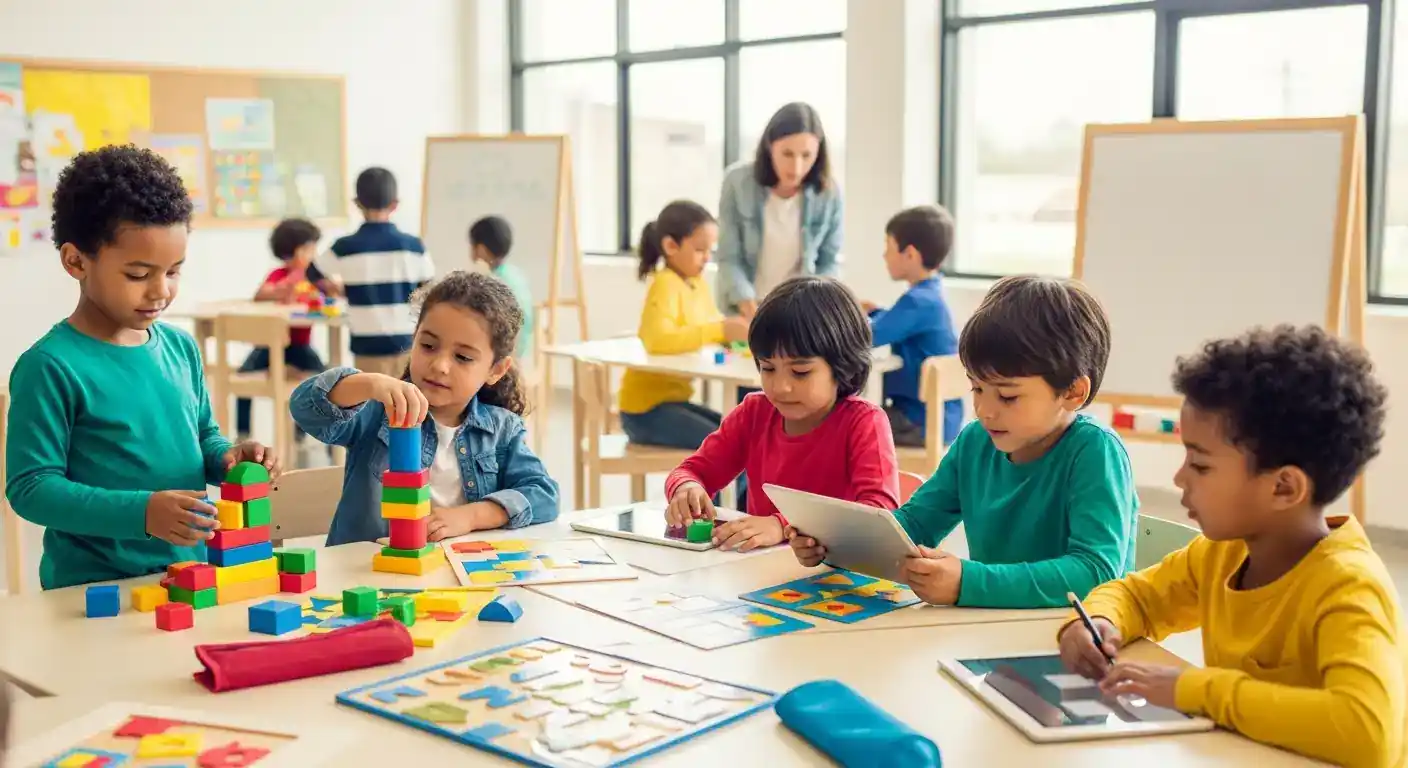
Embracing the World Through Play: Sensory Experiences for Young Children
Sensory play is fundamental to the development of infants and toddlers. It's how they explore, understand, and interact with the world around them. By engaging their senses – touch, sight, sound, smell, and taste – young children build crucial cognitive, physical, and emotional skills. This article offers a wealth of sensory play ideas for infants and toddlers, designed to foster growth and ignite curiosity. These activities are not just fun; they are foundational building blocks for lifelong learning and development.
Key Points:
- Holistic Development: Sensory play supports cognitive, motor, language, and social-emotional growth.
- Safe Exploration: Provides a secure environment for babies and toddlers to discover textures, sounds, and smells.
- Age-Appropriate Activities: Ideas tailored for different developmental stages, from newborns to preschoolers.
- Skill Enhancement: Focuses on fine motor skills, problem-solving, creativity, and sensory integration.
- Bonding Opportunity: Offers precious moments for parents and caregivers to connect with their little ones.
The Crucial Role of Sensory Play in Early Childhood Development
The earliest years of a child's life are a period of rapid development. From birth, babies are wired to learn through their senses. When they touch a soft blanket, see vibrant colors, hear their parent's voice, smell a flower, or taste a new food, they are processing information that shapes their understanding of the world. This process is known as sensory integration, and it's vital for building neural pathways.
Sensory play for infants and toddlers goes beyond mere entertainment. It actively contributes to the development of:
- Fine Motor Skills: Manipulating objects, grasping, and releasing are honed through tactile exploration.
- Gross Motor Skills: Reaching, crawling, and walking are encouraged when exploring larger sensory environments.
- Cognitive Development: Problem-solving, cause-and-effect understanding, and memory are strengthened.
- Language and Communication: Describing textures, colors, and experiences expands vocabulary.
- Social-Emotional Development: Learning to share, take turns, and express emotions in a safe space.
A report from the National Association for the Education of Young Children (NAEYC) in 2024 highlights the importance of play-based learning in early childhood, emphasizing sensory experiences as a cornerstone.
Sensory Play Ideas for Infants: Gentle Exploration
For infants, sensory experiences should be gentle and closely supervised. The focus is on introducing a variety of safe sensations without overwhelming them.
For Newborns and Young Infants (0-6 Months)
At this stage, a baby’s senses are still developing. Focus on visual, auditory, and tactile stimulation.
- Black and White Contrast Cards: High contrast images are easier for newborns to see. Place them within their line of sight during tummy time. This stimulates visual development.
- Soft Fabric Exploration: Offer a variety of safe, soft fabrics like silk, satin, cotton, and plush toys. Allow them to feel the different textures. Introduces tactile discrimination.
- Gentle Rattle Play: Use soft rattles with gentle sounds. Hold them close to the baby's ear and move them slowly from side to side. Encourages auditory tracking and focus.
- Nature Sounds and Lullabies: Play calming music or recordings of nature sounds. The varied soundscapes can be soothing and stimulating. Promotes auditory processing.
- Mirror Play: A baby-safe mirror allows them to see their own reflection, which is fascinating for them and aids in self-recognition development. Enhances visual tracking and self-awareness.
For Older Infants (6-12 Months)
As babies gain more control and mobility, sensory play can become more interactive.
- Sensory Bottles: Create sealed bottles filled with water and glitter, beads, or small toys. Lay them on their tummy and let them bat at the bottle or roll it. Develops visual tracking and fine motor skills.
- Water Play (Supervised): In a shallow baby tub, let them splash with their hands and feet. Add a few safe, floating toys. Provides tactile and auditory stimulation.
- Texture Balls: Introduce balls with different textures – bumpy, smooth, ribbed, soft. Encourage them to reach, grasp, and roll them. Enhances grasping reflex and tactile exploration.
- Edible Finger Painting: Use plain yogurt or mashed fruits like banana or avocado. Spread a small amount on a tray or high chair and let them explore with their hands. Safe for oral exploration and develops fine motor control.
- Discovery Baskets: Fill a basket with safe household items of varying textures, like large wooden spoons, smooth stones (too large to swallow), silk scarves, and crinkle toys. Encourages exploration and tactile investigation.
Engaging Toddlers with Sensory Play: Expanding Horizons
Toddlers are naturally curious and eager to explore. Sensory play at this age can be more elaborate, encouraging creativity and problem-solving.
Toddler Sensory Bin Ideas (1-3 Years)
Sensory bins are a fantastic way to contain the mess and offer a rich play experience. Always supervise toddlers closely with any sensory bin.
- Oatmeal or Cereal Bin: Fill a bin with dry oatmeal, Cheerios, or other unsweetened cereals. Add scoops, cups, and small toys for pouring, scooping, and filling. Excellent for fine motor skill development and cause-and-effect learning.
- Water Beads (Large, Supervised): If using water beads, opt for larger ones and ensure strict supervision as they can be a choking hazard if ingested. They offer a unique, squishy texture. Add cups and containers for pouring. Provides unique tactile sensation and promotes hand-eye coordination.
- Rice or Pasta Bin: Dry rice (uncooked) or various pasta shapes can be a versatile filler. Add funnels, spoons, and small vehicles for imaginative play. Develops fine motor skills like scooping and pouring.
- Shaving Cream or Whipped Cream: Spread a thin layer on a tray or in a shallow bin. Let them explore the creamy texture with their hands and fingers. This is especially fun as an outdoor activity. Offers a cool, tactile experience and encourages creative expression.
- Nature Bin: Fill a bin with leaves, twigs, acorns (checked for safety), pinecones, and smooth stones. This connects them with the natural world. Fosters an appreciation for nature and develops tactile exploration.
Outdoor Sensory Play for Toddlers
The outdoors offers a vast playground for sensory exploration.
- Mud Kitchen: A designated area with old pots, pans, spoons, and water can create a simple mud kitchen. Toddlers love mixing mud, water, and natural elements. Engages multiple senses and promotes imaginative play.
- Water Table Fun: A water table with various cups, containers, squirt toys, and floating objects is a guaranteed hit. Add bubbles for extra fun. Develops fine motor skills, problem-solving, and introduces concepts like floating and sinking.
- Sandpit Exploration: Sand offers endless possibilities for digging, pouring, building, and creating. Provide buckets, spades, and molds. Excellent for fine motor skills, hand-eye coordination, and creative construction.
- Nature Scavenger Hunt: Go on a walk and collect items like smooth stones, colorful leaves, or interesting sticks. Talk about their textures, colors, and shapes. Enhances observation skills and vocabulary.
Creative Sensory Activities for Toddlers
Beyond bins and outdoor play, these activities spark imagination.
- Homemade Playdough: Create your own playdough with flour, salt, water, and food coloring. This offers a wonderful tactile experience and encourages kneading, rolling, and shaping. A classic sensory activity that boosts fine motor skills and creativity.
- Sensory Bags: Similar to sensory bottles, but filled with non-choking hazards like paint or hair gel. Seal them tightly and let toddlers squish and move the contents around. Provides tactile input without the mess and stimulates visual tracking.
- Finger Painting with Different Mediums: Beyond paint, try yogurt, pudding, or even whipped cream for edible art. Encourages creative expression and tactile exploration.
Differentiated Value: Beyond the Basics
While many resources offer standard sensory play ideas, it's crucial to incorporate elements that foster deeper development and address specific needs.
Focus on Sensory Regulation: For children who are either hypersensitive or hyposensitive to certain stimuli, sensory play can be a powerful tool for regulation. A 2023 study published in the Journal of Occupational Therapy, Schools, and Early Intervention emphasized how structured sensory play can help children develop better self-regulation skills, leading to improved focus and behavior. This involves carefully introducing textures or sounds, starting with less intense experiences and gradually increasing the challenge, or providing comforting sensory input for those who need it. For instance, a child overwhelmed by busy textures might benefit from smooth, predictable surfaces first.
Integrating Fine Motor Skill Challenges: Many sensory activities inherently promote fine motor development, but we can intentionally design them to offer specific challenges. For example, in a rice bin, instead of just scooping, introduce small objects that require precise pincer grasps to retrieve, like small pom-poms or beads (with strict supervision). Another idea is to use tweezers or tongs to transfer items, which directly targets the development of the pincer grasp essential for writing and other fine motor tasks. This adds an explicit skill-building component to the fun.
E-E-A-T Enhancement: Expertise and Experience
As an educator with years of experience in early childhood development, I've witnessed firsthand the transformative power of sensory play. I recall a toddler named Leo who was initially hesitant with new textures, particularly anything sticky. We started with a very simple rice bin, and gradually introduced him to slightly damp sand, then to a thicker, less watery playdough. By patiently and consistently offering these experiences in a low-pressure environment, Leo's confidence grew, and he began to actively seek out new textures. This is a testament to how tailored sensory play can overcome challenges and foster a love for exploration.
A publication from the American Academy of Pediatrics in 2025, titled "Play for Development: A Pediatrician's Guide," reiterates that sensory exploration is not just a fun activity but a vital component of healthy brain development and a critical area for parental involvement.
Frequently Asked Questions about Sensory Play
What is the most important benefit of sensory play for infants?
The most important benefit is its role in building foundational neural pathways. For infants, sensory play is their primary way of learning about the world, establishing connections between sensory input and understanding. It fuels their cognitive, motor, and emotional development from the very beginning.
How can I ensure sensory play is safe for my toddler?
Safety is paramount. Always supervise your toddler closely during sensory play. Ensure all materials are non-toxic and age-appropriate, paying close attention to potential choking hazards. For water play, never leave a child unattended. Research materials beforehand and adapt activities based on your child's individual developmental stage and abilities.
My child seems overstimulated by certain textures. What should I do?
If your child is overstimulated, start with less intense sensory experiences. Focus on smooth, predictable textures like soft fabrics or a simple water play with just hands. Gradually introduce new textures in small, controlled ways, allowing them to explore at their own pace without pressure. Celebrate small victories in their exploration and create a calm environment.
How often should I provide sensory play opportunities for my child?
Consistency is key. Aim to incorporate sensory play into your daily routine, even for short periods. Whether it's a dedicated sensory bin session, a nature walk, or simply exploring different food textures during mealtime, regular exposure to varied sensory experiences significantly contributes to their ongoing development.
Conclusion and Next Steps
Sensory play ideas for infants and toddlers are more than just playful activities; they are essential tools for nurturing a child’s growing mind and body. By providing diverse and engaging sensory experiences, you are equipping your child with the skills they need to thrive, explore, and learn.
Don't be afraid to get creative and adapt these ideas to your child's unique interests and developmental stage. The most important ingredient is your presence and enthusiasm.
What are your favorite sensory play activities? Share your experiences and ideas in the comments below!
For parents and caregivers looking to further enhance their child's developmental journey, consider exploring resources on early literacy development and age-appropriate gross motor skill activities. These areas, when combined with rich sensory experiences, create a comprehensive approach to childhood growth.