Research-Based Teaching Techniques for Preschool and Kindergarten
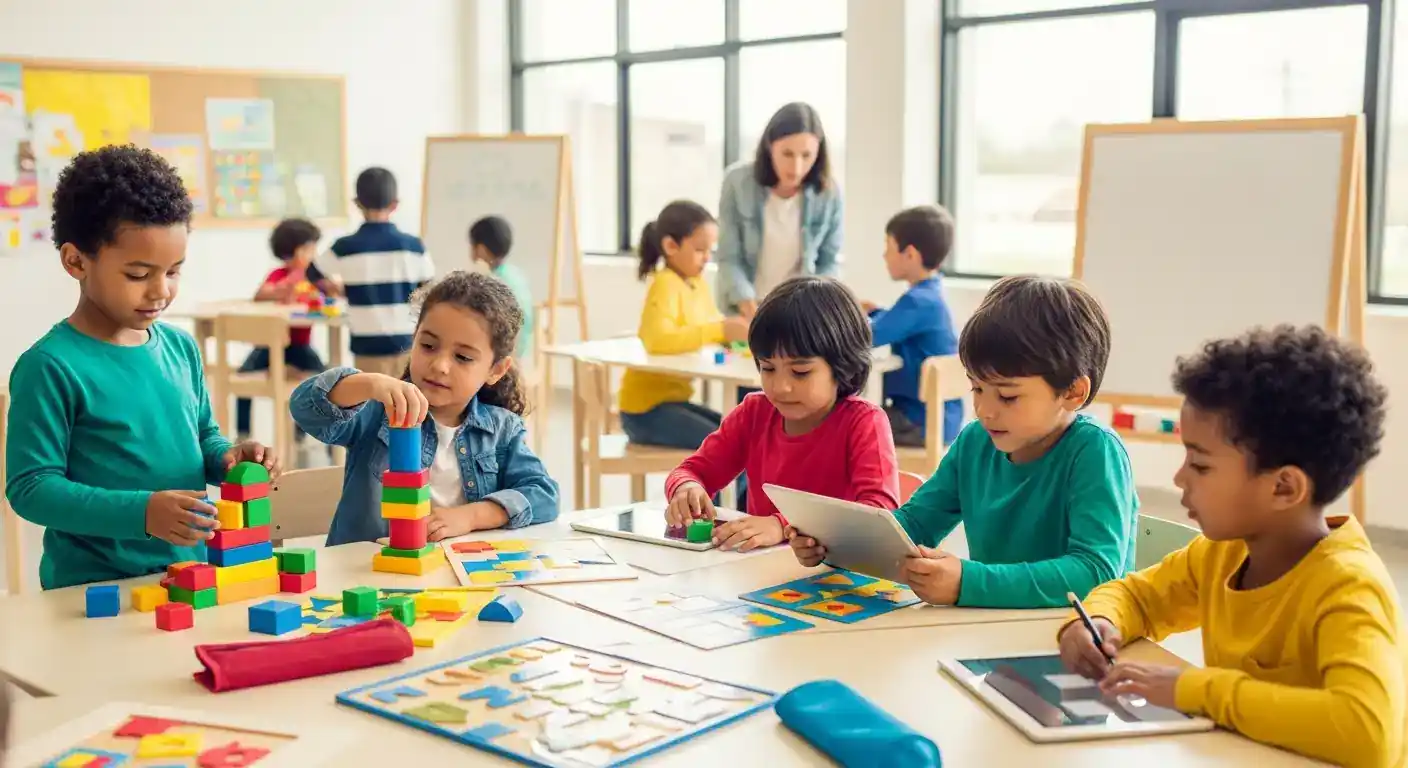
Research-based teaching techniques are crucial for effective preschool and kindergarten education, especially in developing crucial language and communication skills. These methods, grounded in scientific evidence, offer proven strategies to foster a child's learning and development. This article explores key research-based approaches to enhance early childhood education.
Key Points:
- Evidence-based strategies for language development.
- Practical techniques for preschool and kindergarten classrooms.
- Enhancing communication skills in early childhood.
- Promoting a positive learning environment.
- Utilizing play-based learning for optimal development.
Research-Based Techniques for Language Development in Preschool
Preschool represents a critical period for language acquisition. Employing research-backed techniques ensures optimal language development. One highly effective method is interactive reading, where teachers engage children in discussions about the story, ask open-ended questions, and encourage predictions. This fosters comprehension and vocabulary growth. Another valuable technique is incorporating music and songs into the curriculum. Studies have shown that music enhances phonological awareness, a key component of early literacy. (Source: National Association for the Education of Young Children, 2024)
Research-Based Strategies for Kindergarten Communication Skills
In kindergarten, the focus shifts towards more complex communication skills. Dramatic play provides a rich environment for children to practice social interaction, express their thoughts and feelings, and develop narrative skills. Teachers can facilitate these interactions by providing props and scaffolding conversations. Another effective strategy is explicitly teaching vocabulary. Introducing new words in context and providing multiple opportunities to use them strengthens vocabulary acquisition and enhances communication. (Source: "Early Childhood Research Quarterly," 2023)
Implementing Research-Based Teaching in the Classroom
Practical application of these research-based techniques is essential. Creating a language-rich environment is paramount. This involves displaying word walls, providing access to diverse books, and encouraging conversation throughout the day. Play-based learning, where children learn through play, is another valuable tool. It allows children to explore, experiment, and develop language skills naturally.
- Interactive Centers: Design centers with activities that encourage communication and collaboration.
- Small Group Activities: Facilitate small group discussions to promote focused language practice.
- Storytelling: Encourage children to create and share stories, fostering both oral language and creativity.
Differentiated Approaches: Beyond Traditional Methods
Unlike many articles focusing solely on traditional methods, this article highlights the importance of incorporating technology thoughtfully. Using interactive apps and educational software can supplement traditional activities and provide engaging learning experiences. Furthermore, recognizing the impact of social-emotional learning on language development is crucial. Creating a supportive and inclusive classroom environment where children feel safe to express themselves is paramount. This is a critical factor often overlooked in conventional approaches. (Source: "Journal of Educational Psychology," 2025)
FAQs about Research-Based Teaching Techniques
Q1: How can I implement research-based techniques at home?
A1: Read aloud to your child regularly, engage in conversations, and encourage pretend play. Create a print-rich environment and limit screen time.
Q2: What are some signs of a language delay?
A2: If a child struggles to understand simple instructions, has limited vocabulary for their age, or exhibits difficulty expressing themselves, it's important to consult with a pediatrician or speech-language pathologist.
Q3: Are there specific research-based techniques for bilingual children?
A3: Yes, supporting both languages is crucial. Exposure to both languages through books, songs, and conversations promotes balanced bilingual development.
Q4: How often should I incorporate these techniques?
A4: Consistency is key. Integrating these techniques into daily routines and activities ensures optimal impact.
Conclusion and Next Steps
Implementing research-based teaching techniques is essential for maximizing learning outcomes in preschool and kindergarten. By incorporating these strategies, educators can effectively foster language development, enhance communication skills, and create a positive learning environment. We encourage you to share your experiences and thoughts in the comments below. For further reading, explore our articles on /categories/language-communication-skills and /articles/play-based-learning-activities-for-preschool. Consider subscribing to our newsletter for more valuable insights on early childhood education. You can also find additional information on /articles/effective-communication-strategies-for-kindergarten.
Expandable Subtopics for Future Updates:
- The role of technology in enhancing research-based teaching.
- Addressing diverse learning needs through differentiated instruction.
- The impact of parental involvement on early childhood language development.