Promoting Language Development in Early Childhood: Research-Based Practices
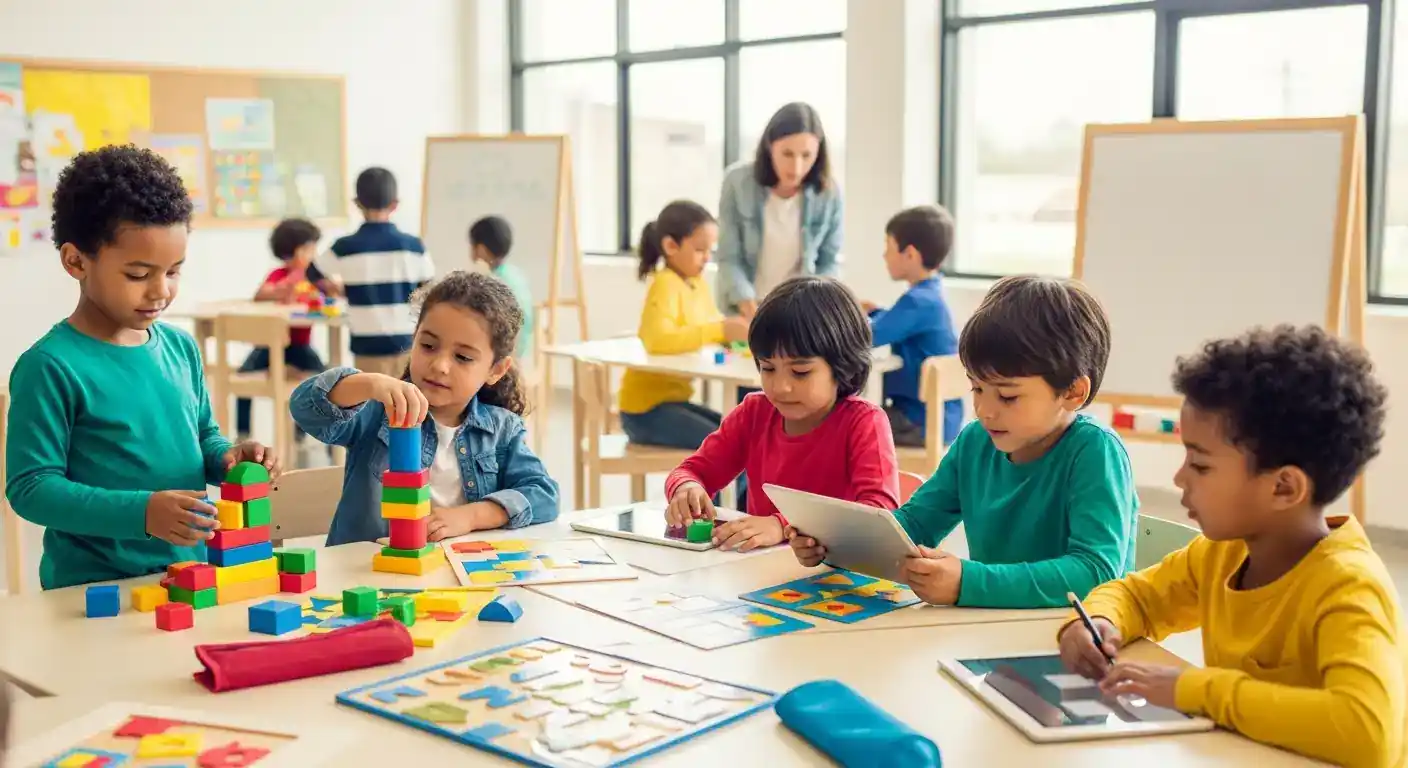
Promoting language development in early childhood is crucial for future academic and social success. This article explores research-based practices that parents and educators can use to foster rich language skills in young children. By understanding these strategies, we can equip children with the communication tools they need to thrive.
Key Points:
- Interactive Play: Engaging in playful activities promotes natural language learning.
- Reading Aloud: Regularly reading to children expands vocabulary and comprehension.
- Responsive Communication: Responding attentively to children's attempts at communication builds confidence.
- Creating Language-Rich Environments: Surrounding children with opportunities to hear and use language is essential.
- Observation and Assessment: Tracking language development progress helps identify areas for support.
Promoting Language Development Through Interactive Play
Interactive play provides a natural and engaging context for language development in early childhood. Children learn language best through meaningful interactions, and play offers countless opportunities for this. Building blocks, dramatic play, and singing songs all contribute to language growth. For example, during pretend play, children negotiate roles and create narratives, practicing their expressive language skills.
Fostering Language Development with Reading Aloud
Reading aloud to young children is a cornerstone of language development. Sharing books exposes children to a wider range of vocabulary and sentence structures than they typically encounter in everyday conversation. It also fosters a love of reading, which is a strong predictor of later literacy success. Choose books with rich language, engaging illustrations, and repetitive phrases to maximize the learning potential.
The Importance of Responsive Communication in Language Development
Responsive communication is vital for nurturing language development in early childhood. When adults respond attentively to a child's attempts to communicate, even before they can speak fluently, they are reinforcing the child's efforts. Acknowledging babbles, gestures, and single words encourages children to continue developing their communication skills. This builds confidence and motivates them to learn more. A study published in the Journal of Child Language (2024) highlighted the positive impact of responsive communication on early language development.
Creating Language-Rich Environments for Early Childhood Development
Surrounding young children with language-rich environments is essential for promoting language development. This involves talking to children frequently, singing songs, telling stories, and engaging in conversations. It also means providing access to books and other language-rich materials. A language-rich environment stimulates language learning and provides children with the tools they need to become effective communicators.
Observing and Assessing Early Childhood Language Development Progress
Regular observation and assessment are crucial for tracking a child's language development progress and identifying any areas where they might need additional support. Tracking milestones, such as the number of words a child uses and their ability to understand and follow instructions, provides valuable insights. If concerns arise, consulting with a speech-language pathologist can provide expert guidance. The "Early Language Milestones" guide (2023) offers a comprehensive overview of typical language development. Another valuable resource is "Supporting Language Development in Early Childhood" (2025) which provides practical strategies for parents and educators.
Differentiated Content: Integrating Technology and Cultural Sensitivity
Two key aspects often overlooked in promoting language development are integrating technology mindfully and incorporating cultural sensitivity. Using educational apps and interactive software can supplement traditional methods, providing engaging learning opportunities. However, screen time should be balanced with real-world interactions. Additionally, recognizing and respecting linguistic and cultural diversity is crucial. Celebrating a child's home language strengthens their identity and promotes overall language development.
FAQ: Promoting Language Development
Q: How can I encourage my shy child to talk more?
- A: Create a comfortable and supportive environment. Avoid pressuring your child to speak. Instead, focus on engaging in activities they enjoy and respond positively to their attempts at communication, however small.
Q: At what age should I be concerned if my child isn't talking?
- A: While children develop at different rates, consulting a pediatrician or speech-language pathologist is recommended if you have concerns about your child's language development, especially if they haven't started using any words by 18 months.
Q: Are there specific toys that can help with language development?
- A: Toys that encourage interaction and pretend play, such as building blocks, dolls, and play kitchens, can be beneficial. Books, puzzles, and musical instruments are also great choices.
Q: How can I support bilingual language development?
- A: Expose your child to both languages consistently. Create opportunities for them to interact with speakers of both languages. Reading books and singing songs in both languages are also effective strategies.
Next Steps for Supporting Language Development
Promoting language development in early childhood requires consistent effort and a multifaceted approach. Continue exploring research-based strategies and tailoring them to your child's individual needs.
We encourage you to share your experiences and tips in the comments below! Subscribe to our newsletter for more valuable insights on child development. For further reading, explore our articles on "/categories/assessment-progress-tracking" and "/articles/early-language-milestones" and "/articles/supporting-language-development-in-early-childhood".
Expandable Subtopics for Future Updates:
- The role of music in language development
- Strategies for addressing language delays
- The impact of multilingualism on cognitive development
This information is current as of July 2025. Due to the evolving nature of research in child development, we recommend revisiting this topic periodically for updated information.