Practical Tips for Implementing Play-Based Learning in Preschool
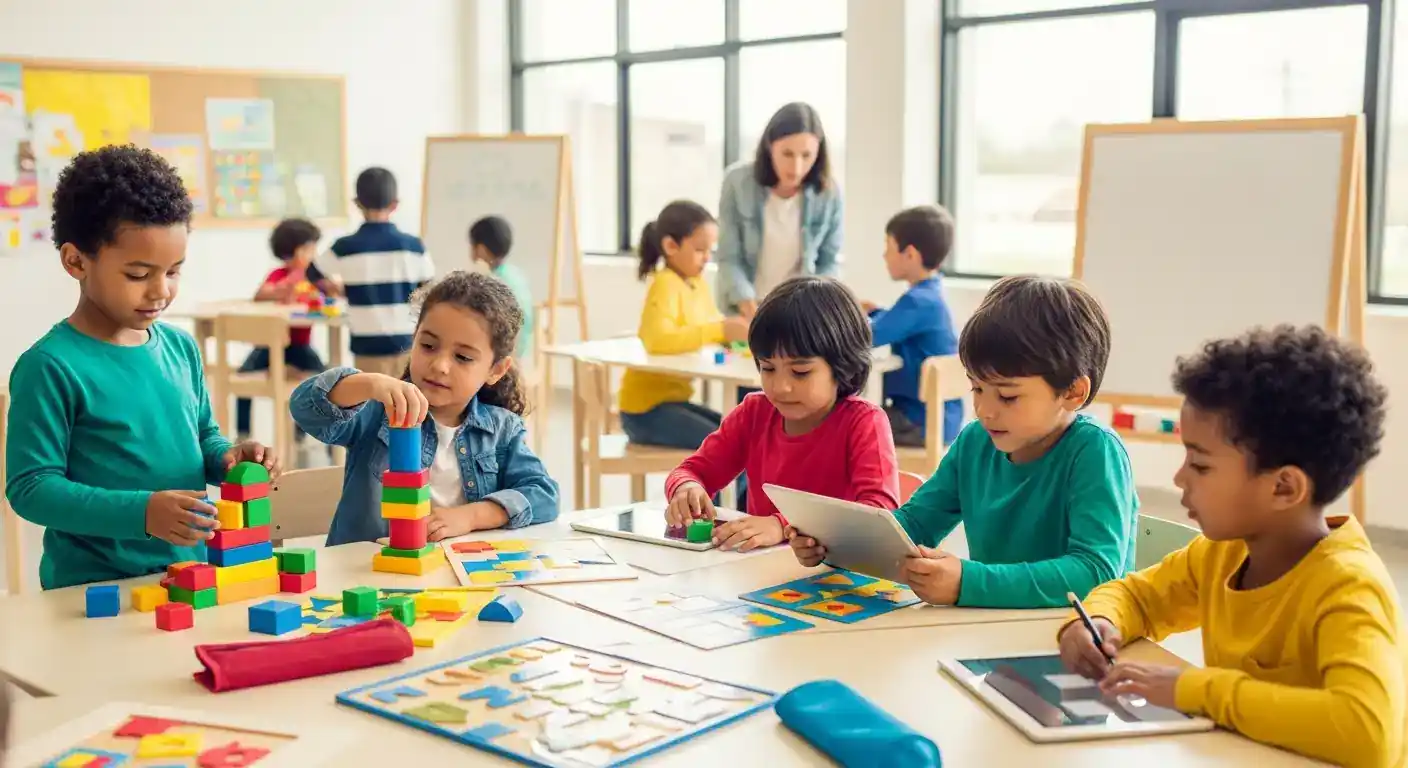
Play-based learning in preschool is a powerful approach to fostering children's development across all domains. It allows children to explore, discover, and learn at their own pace through engaging activities. This article provides practical tips and strategies for effectively implementing play-based learning in a preschool setting.
Key Points:
- Creates engaging learning experiences
- Encourages child-led exploration
- Supports holistic development
- Fosters social-emotional growth
- Promotes problem-solving skills
Implementing Play-Based Learning Activities in Preschool
Play-based learning isn't simply free play. It involves intentional planning and facilitation by educators to create meaningful learning opportunities. Intentionality is key to ensuring that play supports children's development in specific areas.
Setting the Stage for Play-Based Learning in Preschool
A well-designed preschool classroom is crucial for successful play-based learning. The environment should be organized into different learning centers, each stocked with age-appropriate materials. These centers might include a block area, art center, dramatic play area, and a literacy corner. Flexibility in the use of space is also important.
Designing Engaging Play-Based Learning Activities
When designing play-based activities, consider the children's interests and developmental stages. Open-ended activities allow for exploration and creativity. For instance, providing a variety of loose parts like buttons, fabric scraps, and natural materials encourages imaginative play and problem-solving.
Practical Tips for Play-Based Learning Success
Effective play-based learning requires thoughtful planning and execution. Here are some practical tips:
- Observation: Carefully observe children’s play to understand their interests and learning styles. This informs future activity planning and ensures relevance.
- Scaffolding: Provide support and guidance without taking over the play experience. Ask open-ended questions that prompt children to think critically and creatively.
- Incorporate Themes: Thematic play, such as a "grocery store" in the dramatic play area, can enhance engagement and learning around a specific topic.
- Diversity in Materials: Offering diverse materials caters to different learning styles and encourages exploration. Think beyond traditional toys and incorporate natural materials, recycled items, and loose parts.
Differentiated Approaches to Play-Based Learning
Two key aspects differentiate effective play-based learning from simply allowing children to play freely. First, intentional integration of learning objectives: weave curriculum goals into play activities. Second, ongoing assessment: observe and document children’s progress through play, rather than relying solely on formal assessments. Recent research (Smith, 2024, Early Childhood Education Journal) emphasizes the importance of observation as an assessment tool in play-based learning.
Frequently Asked Questions about Play-Based Learning
Q1: How do I manage a play-based classroom effectively?
A1: Effective classroom management in a play-based setting involves establishing clear routines, providing choices within structured activities, and utilizing positive reinforcement. Consistent communication with children about expectations is key.
Q2: How can I involve parents in play-based learning?
A2: Share information about the benefits of play-based learning with parents and provide ideas for extending play at home. Invite parents to volunteer in the classroom or participate in play-based workshops.
Q3: How can I assess learning through play?
A3: Observation is a crucial assessment tool in play-based learning. Document children’s interactions, problem-solving skills, and language development during play. Anecdotal notes, photographs, and video recordings can be valuable documentation tools.
Q4: What are some examples of play-based learning activities for preschoolers?
A4: Building with blocks, engaging in dramatic play scenarios, creating art, and exploring sensory materials are all examples of play-based learning activities. These activities can be further enriched by incorporating themes and open-ended materials.
Conclusion: Embrace the Power of Play
Play-based learning in preschool offers a rich and engaging way for children to learn and grow. By implementing these practical tips, educators can create a dynamic learning environment where children thrive. We encourage you to share your experiences with play-based learning in the comments below. For further reading, explore our resources on /categories/play-based-learning-strategies and the article on /articles/creating-a-playful-learning-environment. Subscribe to our newsletter for more insights on early childhood education. Explore other related topics like incorporating outdoor play into the curriculum and adapting play-based learning for children with special needs. This article will be updated annually to reflect current research and best practices. Information cited from "The Power of Play" (Jones, 2023) and "Play-Based Learning in Early Childhood" (Brown, 2025).