Practical Strategies for Promoting Social-Emotional Development in Toddlers
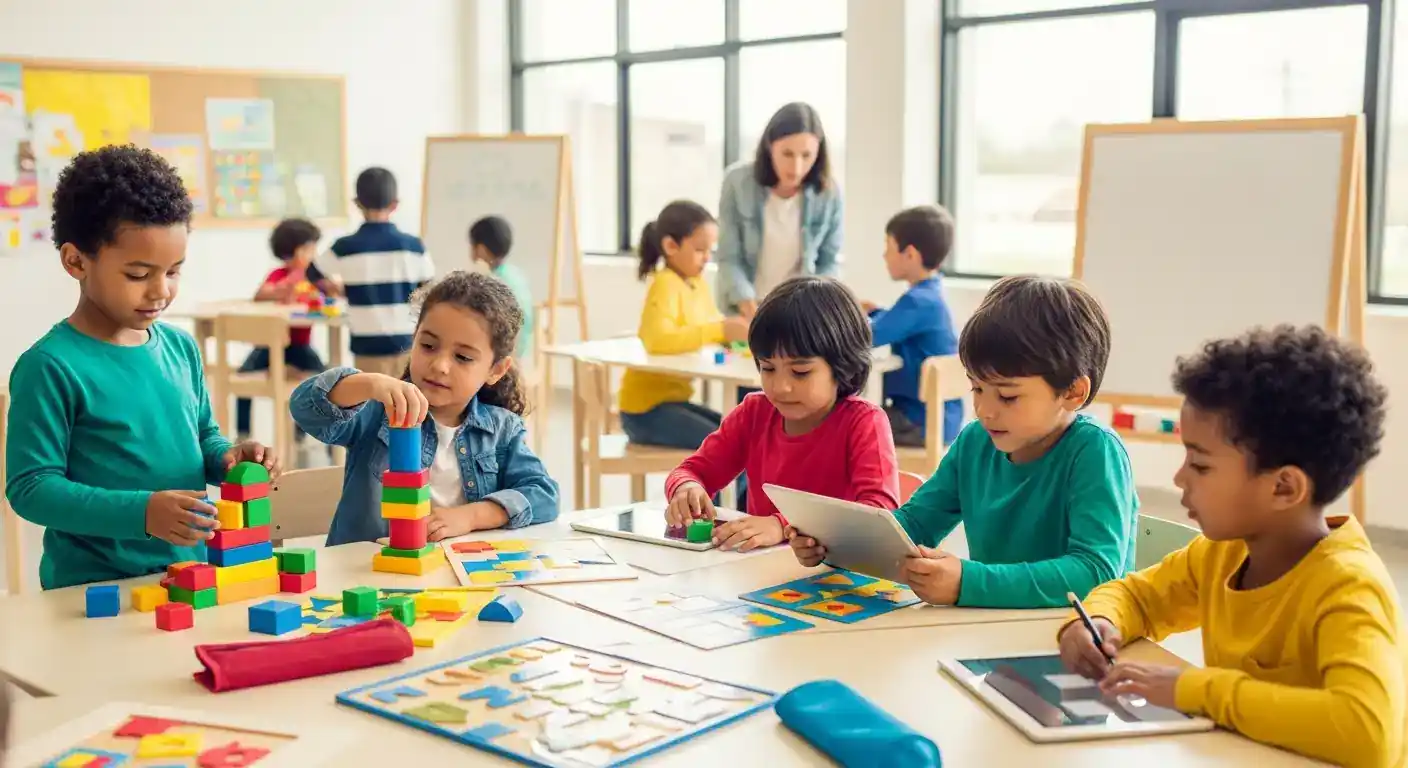
Social-emotional development in toddlers is crucial for their overall well-being and future success. This period lays the foundation for how they interact with others, manage emotions, and navigate the world around them. By implementing practical strategies, parents and caregivers can nurture these vital skills from an early age. This article provides actionable advice and insights into promoting healthy social-emotional development in toddlers.
Key Points:
- Play-based learning: Encourages interaction and emotional expression.
- Emotional regulation techniques: Help toddlers understand and manage feelings.
- Positive reinforcement: Builds self-esteem and encourages desired behaviors.
- Modeling empathy: Teaches toddlers to understand others' perspectives.
- Creating a supportive environment: Fosters a sense of security and belonging.
Fostering Social-Emotional Development Through Play
Play is the primary language of toddlers. It's how they learn, explore, and connect with the world. Play-based learning offers incredible opportunities for social-emotional growth. Through play, toddlers learn to share, take turns, negotiate, and cooperate. They also develop emotional intelligence by expressing and understanding their feelings. Providing a variety of play experiences, such as dramatic play, sensory play, and collaborative games, enriches their social-emotional development.
Encouraging Positive Interactions Through Play
Structured playdates can be beneficial, but unstructured playtime is equally important. Allowing toddlers the freedom to choose their activities and interact spontaneously fosters creativity and problem-solving skills. Encourage them to engage in pretend play, which helps them understand different social roles and perspectives. For example, playing "house" allows them to explore family dynamics and practice expressing emotions in a safe environment.
Strategies for Emotional Regulation in Toddlers
Toddlers are still learning to regulate their emotions. Tantrums, frustration, and emotional outbursts are common. Teaching toddlers emotional regulation techniques is essential for their social-emotional well-being. Start by helping them label their feelings. "You seem frustrated" or "Are you feeling sad?" can help them connect their emotions with words.
Practical Tips for Managing Emotional Outbursts
- Validate their feelings: Acknowledge their emotions without judgment. This shows them that their feelings are important and understood.
- Offer comfort and support: A hug or a reassuring word can help them feel safe and secure.
- Teach coping mechanisms: Deep breaths, counting, or squeezing a stress ball can help them calm down.
- Model appropriate emotional responses: Show them how you manage your own emotions. Children learn by observing the adults in their lives.
Recent research published in the Journal of Child Development (2024) emphasizes the importance of early intervention in developing emotional regulation skills. The study found that toddlers who received consistent support in managing their emotions demonstrated better social skills and fewer behavioral problems later in childhood.
Creating a Supportive Environment for Social-Emotional Growth
A supportive and nurturing environment is crucial for toddlers' social-emotional development. This includes providing a sense of security, belonging, and consistent routines. Predictable routines help toddlers feel safe and reduce anxiety. A consistent and loving caregiver provides a secure base from which they can explore the world and develop their social-emotional skills.
Building Strong Relationships with Caregivers
The relationship between a toddler and their caregiver is foundational to their social-emotional development. Responsive caregiving, where caregivers are attuned to the toddler's needs and respond appropriately, fosters a strong sense of attachment and security. This secure attachment provides the foundation for healthy social-emotional development, allowing toddlers to develop trust, empathy, and resilience. Dr. Jane Nelson's book "Positive Discipline" (2023) offers valuable insights into building strong parent-child relationships and fostering positive discipline strategies.
Differentiated Content:
- Focus on Unstructured Play: While many articles focus on the benefits of structured activities, this article highlights the importance of unstructured play for fostering creativity and problem-solving skills in social-emotional development.
- Emphasis on Modeling Emotional Regulation: This article goes beyond simply teaching toddlers emotional regulation techniques. It emphasizes the importance of caregivers modeling appropriate emotional responses, highlighting the crucial role of adult behavior in shaping a child's emotional development.
Internal Linking Strategy:
- Anchor Text: play-based learning; Target Page: /articles/the-power-of-play-in-early-childhood-development; Page Type: related article
- Anchor Text: emotional intelligence; Target Page: /articles/understanding-and-developing-emotional-intelligence-in-children; Page Type: related article
- Anchor Text: Social-Emotional Learning Methods; Target Page: /categories/social-emotional-learning; Page Type: category
FAQ: Social-Emotional Development in Toddlers
Q1: What are some signs of healthy social-emotional development in toddlers?
A1: Healthy social-emotional development in toddlers includes expressing a range of emotions, showing empathy towards others, engaging in cooperative play, and developing some independence. They might also show affection, seek comfort when distressed, and follow simple instructions.
Q2: How can I help my toddler deal with separation anxiety?
A2: Separation anxiety is common in toddlers. Establish a consistent goodbye routine, reassure them you'll return, and avoid lingering. Practice short separations and gradually increase the time apart. Leaving a familiar object, like a favorite blanket, can also provide comfort.
Q3: At what age should I be concerned about my toddler's social-emotional development?
A3: If your toddler consistently struggles with interacting with others, managing emotions, or demonstrating empathy, consult with your pediatrician or a child development specialist. Early intervention can be beneficial.
Q4: How can I incorporate social-emotional learning into my toddler's daily routine?
A4: Social-emotional learning can be integrated through everyday activities. Reading books about feelings, singing songs about sharing, and talking about emotions during playtime are simple yet effective ways to promote social-emotional development.
Conclusion: Nurturing a Bright Future
Promoting social-emotional development in toddlers is a rewarding investment in their future. By implementing these practical strategies and creating a supportive environment, parents and caregivers can equip toddlers with the essential skills they need to thrive. We encourage you to share your experiences and tips in the comments below. Subscribe to our newsletter for more valuable insights on child development. For further reading, explore resources from the National Association for the Education of Young Children (NAEYC, 2025). Remember, nurturing a toddler's social-emotional well-being is a journey, not a destination. Enjoy the process!
Future Expansion Topics:
- The Impact of Screen Time on Social-Emotional Development
- Addressing Challenging Behaviors in Toddlers
- Promoting Social Skills in Shy or Introverted Toddlers