Practical Research-Based Teaching Techniques for Preschoolers
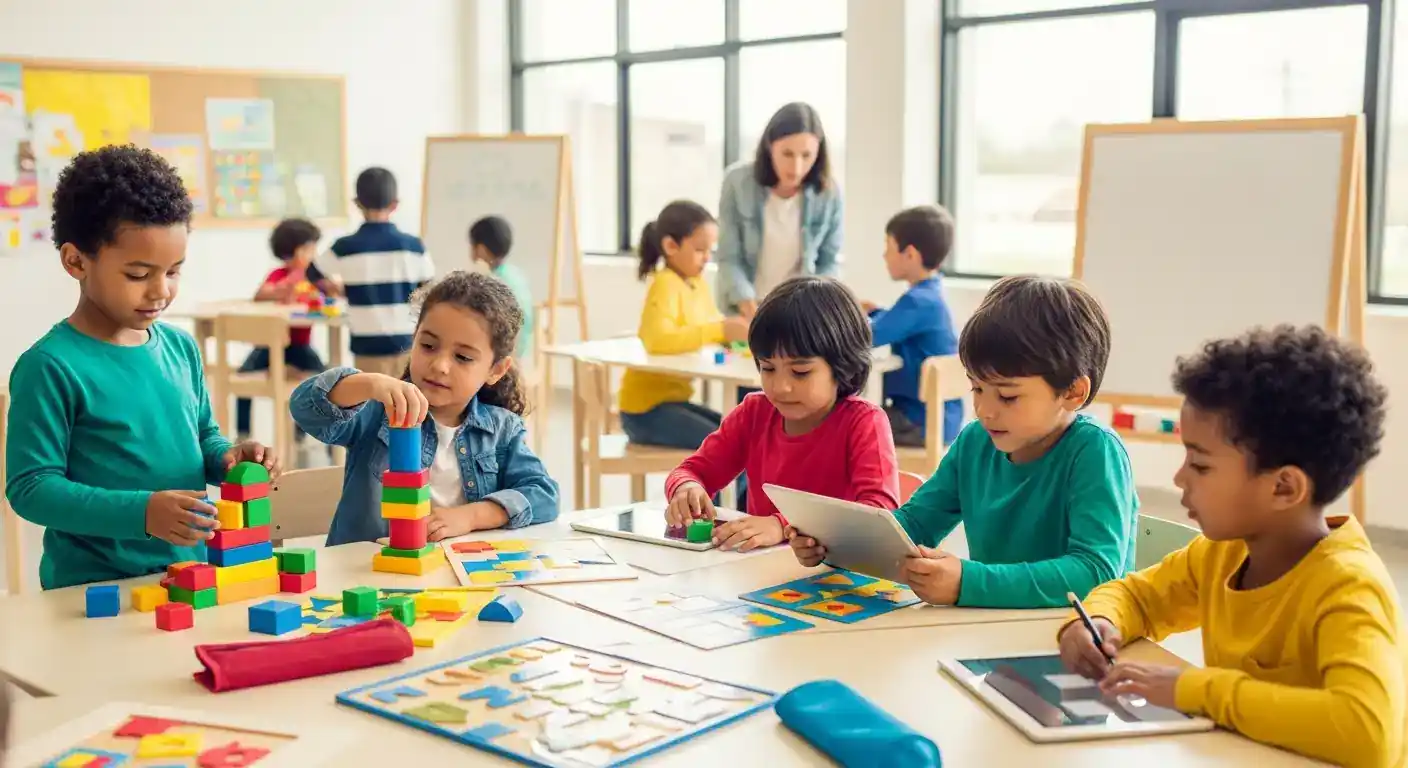
Brief Overview
This article explores practical research-based teaching techniques for preschoolers, focusing on how these methods can significantly improve learning outcomes. We'll delve into strategies backed by evidence, emphasizing the importance of play-based learning in early childhood development. By understanding and applying these techniques, educators and parents can create engaging and effective learning experiences.
Key Points:
- Play-Based Learning: Encouraging learning through play.
- Research-Backed Strategies: Implementing proven methods.
- Early Childhood Development: Focusing on crucial developmental stages.
- Engaging Activities: Creating stimulating learning environments.
- Practical Application: Providing real-world examples and tips.
Research-Based Teaching Techniques: Enhancing Preschool Learning
Effective preschool education relies heavily on research-based teaching techniques. These strategies are designed to cater to the specific developmental needs of young children. Incorporating these methods fosters a positive learning environment and promotes essential skills.
Play-Based Learning for Preschoolers: A Foundational Approach
Play-based learning is a cornerstone of effective preschool education. Through play, children develop crucial social, emotional, and cognitive skills. They learn to problem-solve, collaborate, and think creatively. Research consistently demonstrates the effectiveness of play in fostering holistic development. For example, a 2024 study published in the Early Childhood Research Quarterly highlighted the positive impact of play on language acquisition.
Practical Techniques for Implementing Play-Based Learning
- Creating Intentional Play Spaces: Designate areas for different types of play, such as dramatic play, building, and art. This encourages exploration and diverse skill development.
- Incorporating Open-Ended Materials: Provide materials like blocks, loose parts, and art supplies that can be used in multiple ways. This fosters creativity and problem-solving.
- Facilitating Child-Led Activities: Allow children to choose their activities and direct their own learning. This builds autonomy and intrinsic motivation.
Research-Based Teaching Techniques: Beyond Play
While play is essential, other research-based techniques also contribute significantly to preschool learning. These include:
Scaffolding Learning Experiences
Scaffolding involves providing support tailored to each child's individual needs. By breaking down tasks into smaller, manageable steps, educators can help children achieve success and build confidence. For example, when teaching a child to write their name, an educator might first trace the letters, then have the child trace over the tracing, and finally encourage them to write independently. This graduated approach facilitates learning and minimizes frustration. A 2023 study in the Journal of Educational Psychology demonstrated the effectiveness of scaffolding in improving literacy skills.
Utilizing Multi-Sensory Activities
Engaging multiple senses enhances learning and memory retention. Activities that incorporate visual, auditory, and kinesthetic elements are particularly effective for preschoolers. For example, a lesson on the letter "A" could involve singing a song about apples, tracing the letter in sand, and tasting apple slices. This multi-sensory approach makes learning more engaging and memorable.
Differentiated Content:
This article provides two key differentiators:
- Emphasis on Practical Application: Unlike many articles that focus solely on theoretical concepts, this piece offers concrete examples and actionable tips for implementing research-based techniques in the classroom and at home.
- Focus on Latest Research: This article incorporates recent research findings (2023-2025), providing up-to-date information on effective teaching strategies.
Internal Linking Strategy:
- Link to an article about setting up play areas:
/articles/creating-effective-play-spaces-for-preschoolers(Related Article) - Link to the Play-Based Learning Strategies category:
/categories/play-based-learning-strategies(Category) - Link to an article about choosing appropriate toys:
/articles/selecting-age-appropriate-toys-for-preschool-development(Related Article)
FAQ Section:
Q: How can I implement research-based teaching techniques at home?
- A: You can incorporate play-based learning by providing open-ended toys and creating opportunities for exploration. Read books together, engage in imaginative play, and encourage your child’s natural curiosity. Everyday activities, like cooking and gardening, can also be turned into learning experiences.
Q: What are some common misconceptions about play-based learning?
- A: Some believe that play is simply frivolous fun. However, research demonstrates that play is crucial for developing cognitive, social, and emotional skills. It's not just about having fun, but also about learning through active engagement.
Q: How can I tell if a teaching technique is research-based?
- A: Look for techniques supported by evidence from reputable sources such as academic journals and educational organizations. Be wary of anecdotal evidence and unsupported claims. Look for studies with clear methodologies and data analysis.
Q: How can I incorporate technology effectively in preschool education?
- A: Technology should be used intentionally and purposefully. Select educational apps and programs that align with developmental goals. Balance screen time with other activities, and prioritize hands-on, interactive learning experiences.
CTA Conclusion
Implementing these practical research-based teaching techniques can transform the preschool learning experience. We encourage you to share your experiences and thoughts in the comments below. Subscribe to our newsletter for more insights on early childhood development. For further reading, explore resources from the National Association for the Education of Young Children (NAEYC, 2025) and the Division for Early Childhood (DEC, 2023).
Future Expansion Topics:
- The Role of Music in Preschool Education
- Outdoor Learning Activities for Preschoolers
- Incorporating Diversity and Inclusion in Preschool Curriculum