Positive Discipline Techniques for Toddlers: Guiding Behavior Effectively
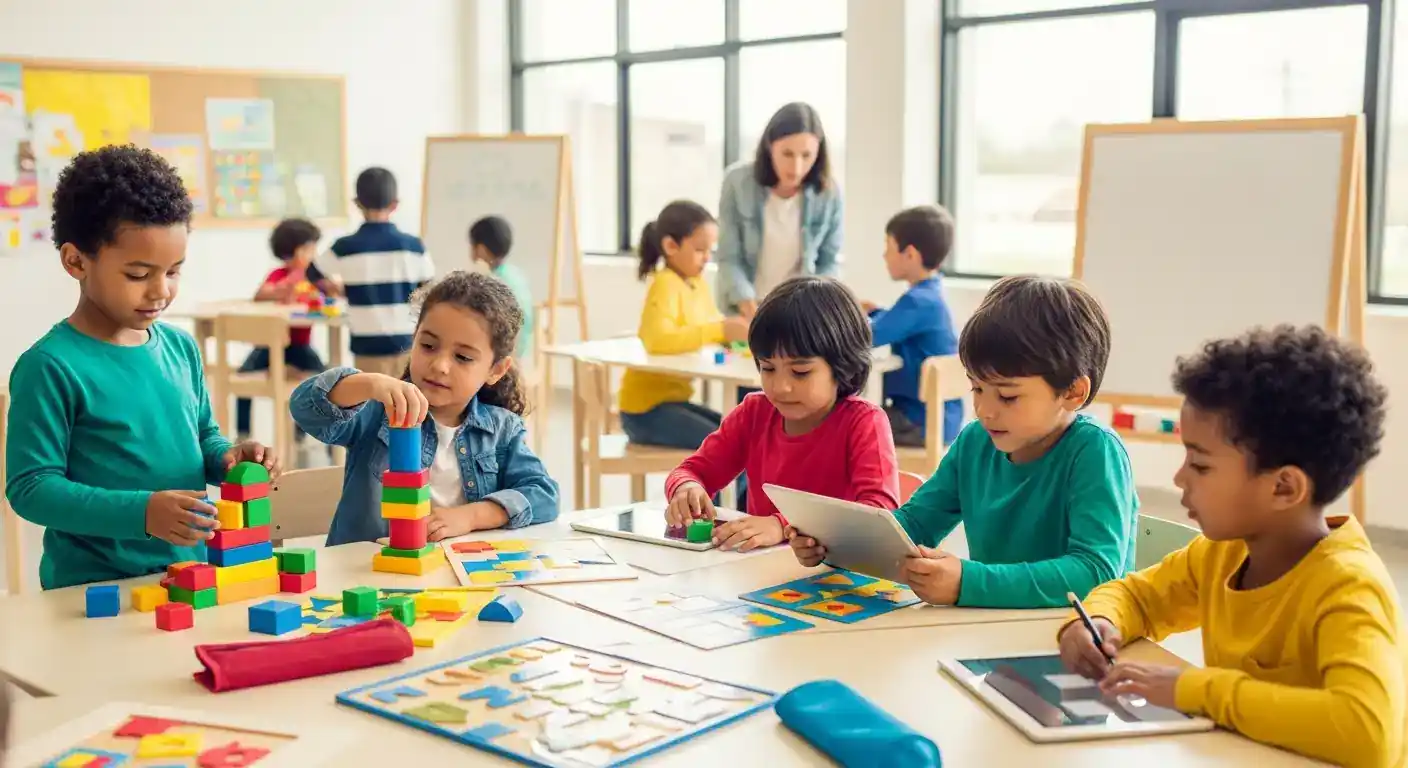
Guiding Behavior Effectively: Positive Discipline Techniques for Toddlers
Navigating the toddler years can be a whirlwind of delightful discoveries and challenging behaviors. As children explore their independence, parents often seek effective ways to guide them without resorting to punitive measures. This is where positive discipline techniques for toddlers come into play, offering a compassionate and effective framework for fostering cooperation, self-regulation, and a strong parent-child bond. It's about teaching, not punishing, and understanding the developmental stage your child is in.
Positive discipline focuses on long-term solutions, helping children learn from their mistakes and develop essential life skills. It acknowledges that toddlers are still developing their impulse control and understanding of the world. By implementing these strategies, parents can create a nurturing environment where children feel safe to explore, make mistakes, and grow. This approach builds a foundation for resilient, emotionally intelligent individuals.
Key Points for Effective Positive Discipline
- Connection First: Prioritize building a strong, loving relationship with your toddler.
- Empathy & Validation: Acknowledge their feelings, even if you can't agree with their behavior.
- Clear Boundaries: Set consistent, age-appropriate limits with natural consequences.
- Problem-Solving: Involve your toddler in finding solutions when appropriate.
- Teaching, Not Punishing: Focus on what you want your child to learn from the situation.
Understanding the Toddler Brain: Why Positive Discipline Matters
Toddlers are not miniature adults; their brains are undergoing rapid development, particularly in areas related to emotional regulation and executive function. The prefrontal cortex, responsible for planning, decision-making, and impulse control, is still very immature. This means that a toddler's challenging behaviors often stem from their inability to manage big emotions or understand complex rules. Traditional punitive discipline, such as yelling or spanking, can activate a child's fear response, hindering learning and potentially damaging the parent-child relationship.
Positive discipline techniques for toddlers recognize these developmental realities. Instead of focusing on stopping unwanted behavior through fear, it aims to teach children why certain behaviors are problematic and what they can do instead. This approach nurtures their developing brain, helping them build neural pathways for empathy, problem-solving, and self-control. It's about guiding them toward understanding, rather than simply enforcing obedience.
Core Principles of Effective Positive Discipline Techniques for Toddlers
Implementing positive discipline requires a shift in perspective, moving from control to collaboration. Several core principles underpin this approach, providing a roadmap for parents. These principles are designed to empower children while maintaining necessary boundaries.
Connection Before Correction
Before addressing a misbehavior, take a moment to connect with your child. Get down to their level, make eye contact, and offer a hug or a comforting touch. This helps your toddler feel seen and understood, making them more receptive to guidance. A strong connection builds trust and makes your child more likely to cooperate. Emotional connection is the bedrock of effective guidance.
Setting Clear, Consistent Boundaries
Toddlers thrive on predictability and structure. Establish clear, age-appropriate rules and communicate them simply. Consistency is paramount; if a boundary is sometimes enforced and sometimes not, it becomes confusing for your child. Natural consequences, where the outcome of a behavior is directly related to the action, are powerful teachers. For instance, if toys aren't put away, they might not be available for the next play session.
Empathy and Validation of Feelings
Even when a toddler's behavior is challenging, their underlying feelings are valid. Acknowledge their emotions by saying, "I see you're really frustrated right now," or "It looks like you're angry that we have to leave." Validating feelings doesn't mean condoning behavior, but it helps your child feel understood and teaches them to identify their own emotions. This emotional intelligence is a crucial life skill.
Problem-Solving Together
When appropriate, involve your toddler in finding solutions to problems. If they're struggling to share a toy, you might ask, "How can we both get a turn?" or "What could we do so everyone is happy?" This empowers them and teaches valuable negotiation skills. Even simple choices, like "Do you want to wear the red shirt or the blue shirt?" can foster a sense of autonomy.
Practical Positive Discipline Strategies for Common Toddler Challenges
Applying positive discipline techniques for toddlers to everyday situations can transform challenging moments into learning opportunities. Here are some practical strategies for common toddler behaviors.
Navigating Tantrums with Grace
Tantrums are a normal part of toddler development, often stemming from overwhelming emotions or unmet needs. Instead of fighting the tantrum, offer a "time-in." This means staying with your child, offering comfort, and helping them regulate their emotions. You might say, "I see you're having big feelings. I'm here with you." Once they calm down, you can discuss what happened. Co-regulation is key during these moments.
Addressing Biting or Hitting
When a toddler bites or hits, it's often due to a lack of language skills to express frustration or a desire for attention. Immediately intervene by gently but firmly stopping the action. State clearly, "No hitting. Hitting hurts." Then, redirect them to an appropriate way to express themselves, such as using words or hitting a pillow. You can also teach empathy by focusing on the child who was hurt.
Encouraging Cooperation and Compliance
Toddlers often resist requests as they assert their independence. Instead of demanding, try offering choices ("Do you want to put on your shoes first or your coat?"), making tasks into a game ("Let's race to see who can pick up three blocks!"), or using "when-then" statements ("When your toys are put away, then we can read a book"). These strategies foster a sense of collaboration.
Integrating Creative Arts for Emotional Expression
One unique aspect of effective toddler guidance, especially relevant in the context of early education, is the power of creative arts. Engaging in activities like drawing, painting, singing, or imaginative play provides toddlers with non-verbal outlets to express big emotions they might not yet have words for. For instance, a child frustrated with a sibling might draw an angry scribble, releasing tension constructively. Encouraging these forms of expression can significantly reduce behavioral outbursts, offering a proactive approach to positive discipline techniques for toddlers. This approach aligns with insights from early childhood development specialists, as highlighted in "The Power of Play: How Creative Activities Shape Young Minds" (Journal of Early Childhood Education, 2024).
Building Resilience and Independence Through Gentle Parenting Approaches
Beyond managing immediate behaviors, positive discipline aims to cultivate long-term traits like resilience, self-reliance, and strong character. These gentle parenting approaches empower children to become capable individuals.
Fostering Self-Regulation
Help your toddler learn to manage their own emotions and impulses. This involves teaching them calming strategies, such as deep breaths or counting, and providing a safe space to process feelings. Over time, they will internalize these tools and become more adept at self-soothing. Emotional coaching is a continuous process.
Encouraging Responsibility
Give toddlers age-appropriate responsibilities, such as helping to set the table or putting away their toys. This instills a sense of contribution and competence. Praise their efforts, not just the outcome, to build their confidence and intrinsic motivation. For more insights on fostering independence, readers can explore related articles on child development milestones.
The Role of Parental Self-Regulation
A crucial, yet often overlooked, aspect of successful positive discipline is the parent's ability to regulate their own emotions. Toddlers are highly attuned to their parents' stress and frustration. When parents respond calmly and thoughtfully, even in challenging situations, they model the very self-regulation skills they want their children to learn. Taking a moment to pause, breathe, or step away (if safe to do so) before responding can significantly improve the effectiveness of any discipline technique. This emphasis on parental emotional intelligence is a growing trend in modern parenting literature, with experts like Dr. Laura Markham advocating for "peaceful parenting" that starts with the adult.
Evidence-Based Insights: What Research Says About Positive Discipline
Contemporary research consistently supports the efficacy of positive discipline techniques for toddlers. Studies in developmental psychology and neuroscience highlight the detrimental effects of punitive discipline on a child's brain development and emotional well-being. For example, a longitudinal study published in the Journal of Child Psychology and Psychiatry (2023) found that children exposed to harsh discipline methods showed increased aggression and anxiety, while those raised with positive discipline exhibited greater empathy and academic success.
Furthermore, research from the