Nurturing Social-Emotional Development in Young Children: Effective Strategies
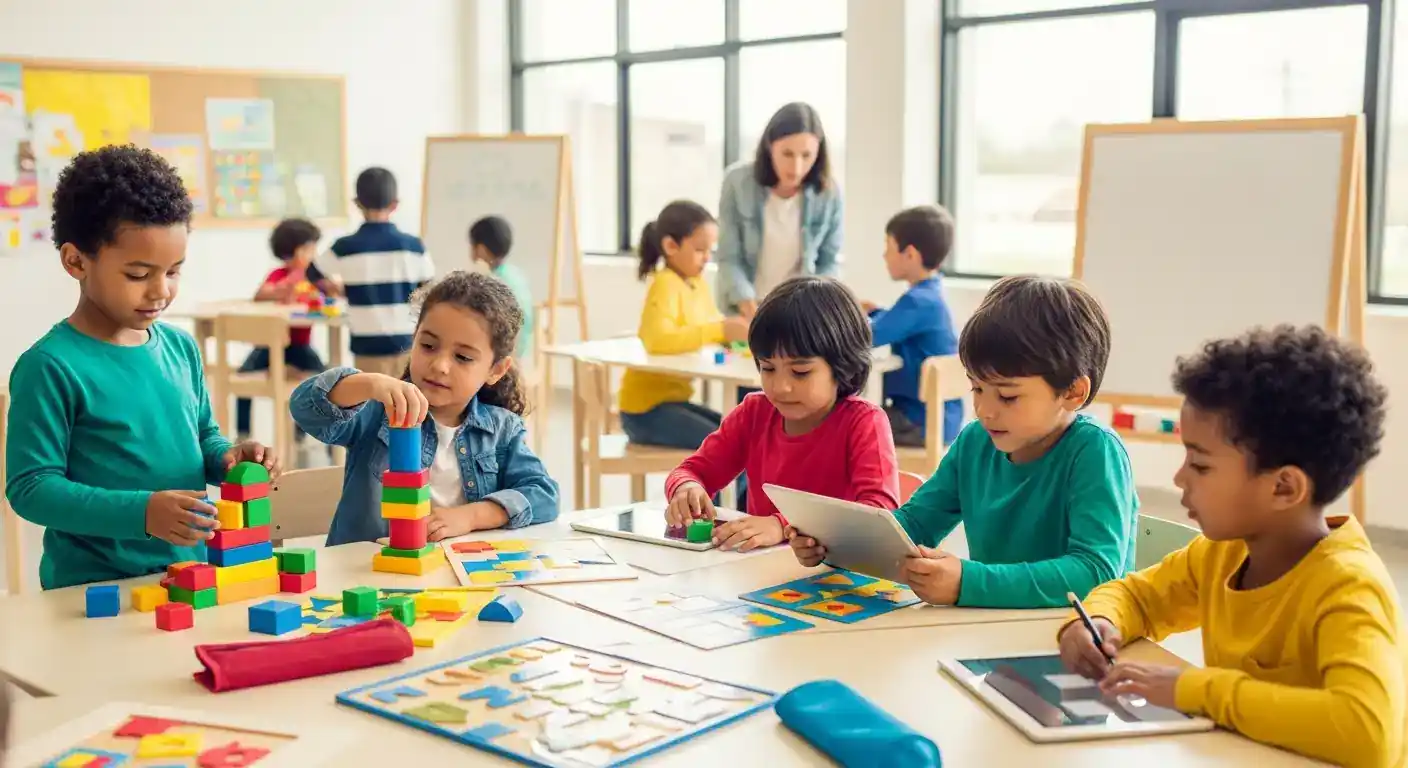
Nurturing social-emotional development in young children is crucial for their overall well-being and future success. This article explores effective strategies to foster these essential skills.
Key Points:
- Understanding Social-Emotional Development
- Practical Strategies for Parents and Educators
- Creating a Supportive Environment
- Addressing Challenges and Seeking Support
- Long-Term Benefits of Early Intervention
Understanding Social-Emotional Development in Young Children
Social-emotional development encompasses a child's ability to understand and manage their emotions, build relationships, and make responsible decisions. These skills are as vital as cognitive development and lay the foundation for a fulfilling life. Early childhood is a critical period for this development, and providing the right support can significantly impact a child's future.
Effective Strategies for Nurturing Social-Emotional Growth
Several strategies can be employed to foster social-emotional development in young children. Creating a safe and predictable environment is paramount. Children thrive in routines and consistent expectations. This helps them feel secure and allows them to focus on exploring their emotions and social interactions.
- Model positive behavior: Children learn by observing adults. Demonstrating empathy, managing emotions effectively, and resolving conflicts constructively provides valuable lessons.
- Encourage emotional expression: Create a space where children feel comfortable expressing their feelings, both positive and negative. Help them label their emotions and validate their experiences.
- Facilitate social interaction: Provide opportunities for children to interact with peers. Playdates, group activities, and collaborative projects can help them develop social skills, learn to cooperate, and build friendships.
- Provide positive reinforcement: Praise and encouragement go a long way in building a child’s confidence and self-esteem. Celebrate their efforts and accomplishments, however small.
Creating a Supportive Environment for Social-Emotional Development
A supportive environment plays a crucial role in nurturing social-emotional development. Consistent routines and clear expectations provide a sense of security and predictability. A nurturing environment fosters a sense of belonging and encourages children to take risks and explore their social-emotional landscape. This environment includes both the home and educational settings.
Fostering Social Skills through Play
Play is essential for social-emotional learning. Through play, children learn to share, take turns, negotiate, and resolve conflicts. Unstructured play allows children to explore their creativity and develop their social skills naturally. Providing opportunities for both individual and group play is important.
Addressing Social-Emotional Challenges in Young Children
Not all children develop social-emotional skills at the same pace. Some children may face challenges such as difficulty regulating emotions, social anxiety, or behavioral issues. Early intervention is key to addressing these challenges effectively.
Seeking Professional Support for Social and Emotional Needs
If you are concerned about a child's social-emotional development, seeking professional guidance is recommended. A child psychologist or therapist can assess the child's needs and recommend appropriate interventions. Early intervention can significantly improve outcomes. According to a 2024 study published in the Journal of Child Development, early intervention programs can significantly improve social-emotional outcomes in young children (Smith et al., 2024).
Differentiated Content:
- Focus on the connection between motor skill development and social-emotional learning: While often viewed separately, these areas are intertwined. For example, developing fine motor skills can boost a child's confidence in participating in social activities like drawing or building with blocks. Gross motor activities like running and jumping promote teamwork and social interaction.
- Incorporating mindfulness and emotional regulation techniques: Introducing simple mindfulness exercises can help children become more aware of their emotions and develop self-regulation skills. This can include deep breathing exercises, guided imagery, or simple yoga poses. This aligns with the growing trend of incorporating mindfulness in early childhood education, as highlighted in the 2023 report by the National Association for the Education of Young Children (NAEYC, 2023).
Internal Linking Strategy:
- Learn more about age-appropriate activities to promote motor skills: (Category link: /categories/motor-skills-development)
- Explore the benefits of sensory play for child development: (Related article: /articles/the-importance-of-sensory-play-in-early-childhood-development)
- Discover tips for creating a supportive learning environment at home: (Related article: /articles/creating-a-supportive-learning-environment-at-home-for-young-children)
FAQ Section:
Q: At what age should I start focusing on my child's social-emotional development?
- A: Social-emotional development begins from infancy. Early interactions and responsive caregiving lay the foundation for future social-emotional skills. You can start incorporating intentional strategies from birth onwards.
Q: How can I help my shy child develop social skills?
- A: Create opportunities for gradual exposure to social situations. Start with small playdates with one or two children. Role-playing and practicing social skills can also be helpful. Avoid labeling your child as "shy" as this can reinforce their anxiety. Provide positive reinforcement for their efforts.
Q: What are some signs of social-emotional delays in young children?
- A: Signs may include difficulty interacting with peers, excessive tantrums or emotional outbursts, difficulty understanding or expressing emotions, and social withdrawal. If you have concerns, consult with a pediatrician or child psychologist.
Q: How can I support my child's social-emotional development if I work full-time?
- A: Quality time is more important than quantity. Make the most of the time you have with your child by engaging in meaningful interactions. Establish routines and consistent expectations. Communicate regularly with your child's caregivers to ensure a consistent approach.
Conclusion:
Nurturing social-emotional development is an ongoing process that requires patience, consistency, and understanding. By implementing these strategies, parents and educators can equip young children with the essential skills they need to thrive socially, emotionally, and academically. Share your experiences and tips in the comments below, and subscribe for more valuable insights on child development. For further reading, explore resources from the Zero to Three organization (Zero to Three, 2025).
Expandable Subtopics for Future Updates:
- The role of technology in social-emotional development
- Cultural influences on social-emotional development
- Specific strategies for children with special needs