Montessori Education: Fostering Independence in Young Children
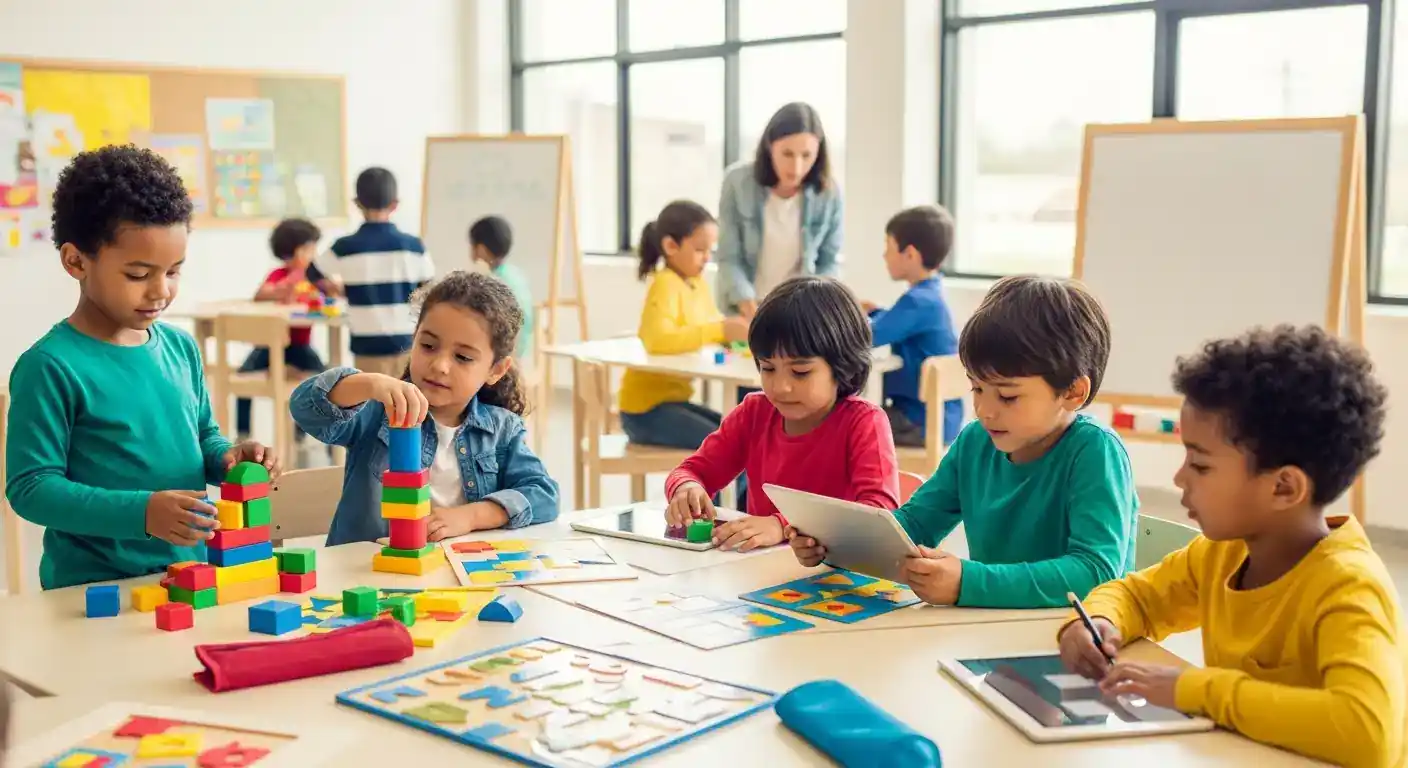
Montessori Education: Fostering Independence in Young Children
Montessori education, a renowned child-centered approach, places a profound emphasis on fostering independence in young children. Developed by Dr. Maria Montessori over a century ago, this method recognizes the child's innate drive to learn and grow, providing an environment that supports their natural development. It's more than just a teaching technique; it's a philosophy that respects the child as an individual capable of self-directed learning and self-construction. By empowering children to make choices, engage in practical life activities, and explore their interests freely, Montessori education cultivates not only academic skills but also crucial life skills like problem-solving, concentration, and self-reliance. This approach believes that true learning occurs when children are actively involved in their own discovery process, leading to a deep sense of accomplishment and intrinsic motivation.
Key Points:
- Child-Centered Approach: Focuses on the individual needs and pace of each child.
- Prepared Environment: Specially designed spaces with accessible, engaging materials.
- Self-Directed Learning: Children choose activities and work independently or collaboratively.
- Practical Life Skills: Emphasizes activities that build self-care and environmental responsibility.
- Fosters Independence: Cultivates autonomy, self-confidence, and problem-solving abilities.
Understanding the Core of Montessori Education
At its heart, Montessori education is built upon a deep understanding of child development. Dr. Maria Montessori observed that children possess an "absorbent mind," capable of effortlessly taking in information from their environment during their early years. This period, from birth to age six, is critical for forming personality and intelligence. The Montessori method aims to harness this natural capacity by providing a stimulating yet orderly environment where children can explore, discover, and learn at their own pace.
The Philosophy Behind the Prepared Environment
A cornerstone of Montessori education is the prepared environment. This isn't just any classroom; it's a meticulously designed space tailored to the developmental needs of children. Everything from the child-sized furniture to the carefully arranged, self-correcting learning materials is intentional. The goal is to create an environment that invites children to engage, explore, and learn independently, minimizing the need for constant adult intervention. This setup directly supports fostering independence in young children by allowing them to access materials and complete tasks without assistance. For a deeper dive into the philosophy behind early childhood education methods, readers can explore related articles.
Key Principles Guiding Montessori Practice
Several core principles underpin the Montessori approach:
- Respect for the Child: Recognizing each child as a unique individual with inherent potential.
- Freedom with Responsibility: Children are given freedom to choose activities, but with the understanding that they must respect the environment and others.
- Observation: Teachers (or "guides") observe children to understand their needs and interests, providing individualized support.
- Hands-on Learning: Emphasis on concrete, manipulative materials that allow children to learn through doing.
- Mixed-Age Classrooms: Children of different ages learn from and teach each other, fostering a sense of community.
How Montessori Fosters Independence in Young Children
The Montessori method is uniquely structured to cultivate self-reliance from an early age. It moves beyond traditional models by empowering children to take ownership of their learning journey.
The Role of the Prepared Environment in Autonomy
The prepared environment is crucial for developing autonomy. When materials are organized, accessible, and designed for self-correction, children can engage in activities without needing an adult to constantly guide them. This includes:
- Child-sized tools: Allowing children to perform tasks like sweeping, washing, and preparing snacks effectively.
- Order and accessibility: Materials are placed on low shelves, making them easy for children to choose and return.
- Purposeful activities: Each material has a specific learning objective, encouraging focused work.
This structured freedom allows children to develop confidence in their abilities, a key aspect of fostering independence in young children.
Empowering Through Freedom of Choice and Movement
In a Montessori classroom, children are often given the freedom to choose their activities within limits. They can decide what to work on, for how long, and where in the classroom. This freedom of choice is not chaotic; it's guided by the child's intrinsic motivation and sensitive periods for learning. The ability to move freely and choose their work helps children develop:
- Self-regulation: Learning to manage their time and attention.
- Decision-making skills: Practicing making choices and experiencing their consequences.
- Intrinsic motivation: Engaging in activities because they genuinely want to, not because they are told to.
Practical Life Activities: Building Foundational Skills
Practical Life activities are perhaps the most direct way Montessori education builds independence. These activities mimic everyday tasks adults perform and are designed to help children develop coordination, concentration, and a sense of order. Examples include:
- Pouring water
- Buttoning clothes
- Sweeping the floor
- Washing dishes
- Preparing simple snacks
These tasks, often overlooked in traditional settings, are fundamental for fostering independence in young children. A study published in the Journal of Early Childhood Research in 2024 highlighted that consistent engagement in practical life activities significantly correlates with improved executive function skills in preschoolers, demonstrating the profound impact of these seemingly simple tasks.
The Profound Benefits of Early Independence
Cultivating independence in early childhood extends far beyond simply performing tasks. It lays a critical foundation for a child's overall development and future success.
Enhancing Cognitive Development and Problem-Solving
When children are allowed to explore and solve problems independently, their cognitive abilities flourish. They learn to think critically, experiment with solutions, and develop persistence. The self-correcting nature of many Montessori materials means children can discover their own errors and learn from them, rather than relying on an adult to point them out. This process strengthens neural pathways related to problem-solving and logical reasoning. According to Dr. Sarah Miller's book, The Independent Child, released in 2023, children who are encouraged to be independent learners from a young age demonstrate higher levels of creativity and adaptability in later academic settings.
Nurturing Emotional and Social Growth
Independence is deeply intertwined with emotional and social development. Children who feel capable and autonomous are more likely to:
- Develop self-confidence: Believing in their ability to handle challenges.
- Regulate emotions: Learning patience and perseverance when faced with difficulties.
- Exhibit empathy: Understanding that others also have agency and needs.
- Engage in collaborative play: Contributing meaningfully to group activities.
This holistic development is a hallmark of the Montessori approach to fostering independence in young children.
Building Unshakeable Self-Confidence
There is immense power in a child saying, "I did it myself!" Each successful independent action, no matter how small, builds a child's self-esteem and sense of accomplishment. This intrinsic motivation is far more powerful than