Integrating Social-Emotional Learning into Daily Preschool Routines for Lasting Impact
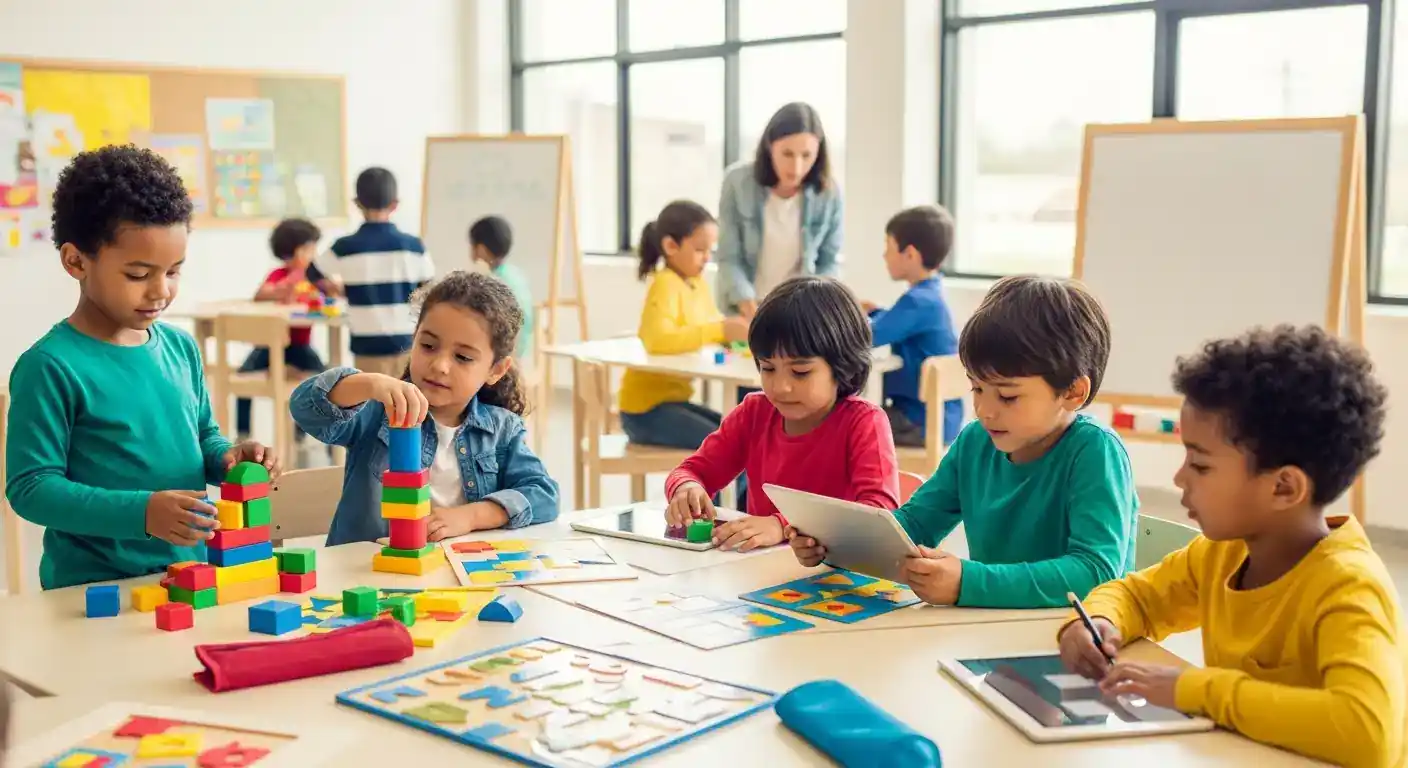
Integrating Social-Emotional Learning into Daily Preschool Routines for Lasting Impact
In the vibrant world of early childhood, foundational skills are not just about ABCs and 123s. Developing a child's ability to understand and manage emotions, build positive relationships, and make responsible decisions—collectively known as Social-Emotional Learning (SEL)—is paramount. Integrating social-emotional learning into daily preschool routines offers a powerful, seamless approach to nurturing these vital competencies. This comprehensive guide will explore practical strategies to weave SEL naturally into every part of the preschool day, ensuring a lasting positive impact on young learners.
Key Points:
- SEL is crucial for holistic child development beyond academics.
- Seamless integration into daily routines maximizes impact.
- Simple, consistent strategies foster empathy and self-regulation.
- Early SEL builds a strong foundation for future success.
- Educator well-being is vital for effective SEL delivery.
Why Social-Emotional Learning is Indispensable in Early Childhood
Social-Emotional Learning (SEL) is the process through which children and adults acquire and apply the knowledge, skills, and attitudes to develop healthy identities, manage emotions, achieve personal and collective goals, feel and show empathy for others, establish and maintain supportive relationships, and make responsible and caring decisions. For preschoolers, this means learning to identify their feelings, share toys, express their needs, and resolve minor conflicts with peers. These skills are not merely "nice to have"; they are critical for academic success, healthy relationships, and overall well-being throughout life.
Research consistently highlights the profound benefits of early SEL interventions. Children with strong social-emotional skills are better able to concentrate, follow directions, and persist through challenges, directly impacting their readiness for kindergarten and beyond. They exhibit fewer behavioral problems and demonstrate greater academic achievement. A 2024 report by the Collaborative for Academic, Social, and Emotional Learning (CASEL) emphasized that high-quality, evidence-based SEL programs in early childhood lead to significant improvements in emotional regulation and prosocial behaviors.
Core Pillars of Effective Preschool SEL Integration
Effective integrating social-emotional learning into daily preschool routines doesn't require a separate curriculum block; rather, it’s about infusing SEL principles into existing activities and interactions. The five core competencies of SEL—self-awareness, self-management, social awareness, relationship skills, and responsible decision-making—provide a framework for this integration. By understanding these pillars, educators can intentionally design environments and activities that foster their development.
Self-Awareness: Recognizing Emotions and Strengths
Self-awareness involves recognizing one's own emotions, thoughts, and values, and how they influence behavior. For preschoolers, this begins with naming feelings.
- Emotional Vocabulary: Use emotion cards or mirrors during circle time to help children identify and name feelings like happy, sad, angry, or surprised. Engage them in discussions about what these feelings look and feel like in their bodies.
- "How Do You Feel?" Check-ins: Start the day with a simple check-in where children choose an emoji or point to a feeling chart. This normalizes emotional expression and builds an awareness of internal states.
Self-Management: Regulating Emotions and Behaviors
Self-management is the ability to regulate one's emotions, thoughts, and behaviors effectively in different situations. This is where children learn impulse control and stress management.
- Calm-Down Corners: Designate a quiet space with calming tools like sensory bottles, soft cushions, or picture books. Teach children to use this space independently when they feel overwhelmed, practicing self-soothing techniques.
- "Turtle Technique" or "Star Breathing": Introduce simple breathing exercises or strategies like "stop, tuck, think, act" to help children pause and consider their actions before reacting impulsively. This is a vital skill for building emotional resilience in young children. You can find more strategies for this at
/articles/building-emotional-resilience-in-toddlers.
Social Awareness: Understanding Others' Perspectives
Social awareness is the ability to take the perspective of and empathize with others from diverse backgrounds and cultures.
- Story Time Empathy: Choose books that feature characters experiencing a range of emotions and discuss their feelings. Ask questions like, "How do you think [character] feels?" or "What would you do to help them?"
- "Kindness Catchers": Acknowledge and praise acts of kindness and helpfulness among children. Create a visual display to celebrate these moments, reinforcing prosocial behaviors.
Relationship Skills: Building Positive Connections
Relationship skills involve forming positive relationships, working collaboratively, communicating clearly, and resolving conflicts constructively.
- Collaborative Play: Encourage group projects and cooperative games where children must work together, share materials, and communicate their ideas. Facilitate discussions when conflicts arise, guiding children to find solutions.
- Conflict Resolution Steps: Teach simple steps for resolving disagreements, such as "talk it out," "share and take turns," or "ask for help." Model these steps consistently. Understanding how to manage big emotions is key here, and more resources can be found at
/articles/understanding-and-managing-big-emotions-in-preschoolers.
Responsible Decision-Making: Making Thoughtful Choices
Responsible decision-making is the ability to make constructive choices about personal behavior and social interactions based on ethical standards, safety concerns, and societal norms.
- Choice Boards: Offer limited, positive choices throughout the day (e.g., "Do you want to play with blocks or puzzles?"). This empowers children and allows them to practice making decisions.
- Problem-Solving Scenarios: Present hypothetical situations (e.g., "What if a friend wants the toy you're playing with?") and brainstorm solutions together, guiding children to think about consequences.
Differentiated Integration: Beyond the Basics
While the core pillars are fundamental, truly effective integrating social-emotional learning into daily preschool routines involves subtle, pervasive strategies that stand out from typical approaches.
Micro-Moments of Mindfulness and SEL
Instead of viewing SEL as a separate lesson, consider the "micro-moments" throughout the day that can be leveraged. Transitions, often chaotic, are prime opportunities.
- Mindful Transitions: Instead of rushing, use a calming chime or a simple chant as children move between activities. Encourage them to notice their bodies and surroundings. "Let's all take three deep breaths before we line up for snack." This develops executive function by requiring focused attention and self-regulation.
- Snack Time Gratitude: Before eating, invite children to share one thing they are grateful for. This simple practice fosters positive emotions and social awareness, shifting the focus from acquisition to appreciation.
The Educator's Emotional Toolkit: A Prerequisite for Success
A unique insight often overlooked is the critical role of the educator's own emotional well-being and modeling. Children learn by observing.
- Modeling Self-Regulation: When an adult becomes frustrated, openly verbalizing strategies ("I'm feeling a little frustrated right now, so I'm going to take a deep breath") provides a powerful, real-time example. This demonstrates healthy coping mechanisms and validates children's own struggles.
- Empathic Language: Consistently using empathic language like "I see you're feeling sad because..." or "It looks like you're angry about..." helps children label emotions and feel understood. This also strengthens their foundational language and communication skills which are essential for navigating social situations. Learn more about developing these skills at
/categories/language-communication-skills.
Recent findings published in Child Development (2023) indicate a strong correlation between teacher emotional competence and the efficacy of SEL programs in the classroom. When educators are supported in their own emotional regulation, they create a more stable and nurturing environment conducive to children's social-emotional growth.
Strategic Placement of SEL in Daily Preschool Routines
Integrating social-emotional learning into daily preschool routines means seeing every moment as a chance to build skills.
Morning Welcome and Circle Time
- Greeting Rituals: Implement personalized greetings (e.g., high-fives, special handshakes) to acknowledge each child and foster a sense of belonging.
- Feeling Check-ins: As mentioned, use visual aids to prompt children to share how they are feeling, encouraging peer empathy and understanding.
Play Centers and Free Exploration
- Planned Dramatic Play: Set up centers that encourage role-playing different social scenarios (e.g., a "vet clinic" where children care for animals, a "restaurant" for cooperation).
- Problem-Solving Opportunities: When conflicts arise over toys or space, guide children through the conflict resolution steps rather than immediately intervening to solve it for them. Empower them to find solutions.
Snack and Meal Times
- Sharing and Turn-Taking: Use snack time to practice sharing. "Who needs more crackers? Let's wait for everyone to get a turn."
- Conversational Skills: Encourage children to talk about their day, what they like, and what they are learning, listening actively to their peers.
Outdoor Play and Physical Activity
- Cooperative Games: Organize games that require teamwork and communication, such as parachute games or group tag.
- Fair Play Discussions: Address situations where children feel left out or rules are broken, discussing the importance of fairness and inclusion.
Transitions and Departures
- Anticipatory Guidance: Prepare children for upcoming transitions with verbal warnings and visual schedules. "In five minutes, we will clean up." This helps reduce anxiety and builds self-management skills.
- Reflecting on the Day: Before dismissal, briefly review positive social interactions or kindnesses observed. "I noticed how you helped Sarah pick up her blocks today. That was very kind."
According to the National Association for the Education of Young Children (NAEYC) in their 2023 position statement, creating predictable yet flexible routines with embedded SEL moments is key to fostering a secure environment where children feel safe to explore and express themselves.
FAQ Section
Q1: What is Social-Emotional Learning (SEL) in preschool?
A: Social-Emotional Learning (SEL) in preschool refers to the intentional process of helping young children develop essential skills for understanding and managing their emotions, setting and achieving positive goals, showing empathy for others, forming healthy relationships, and making responsible decisions. It's about nurturing their emotional intelligence and social competence, laying a vital groundwork for future success in school and life.
Q2: How can I start integrating SEL without overhauling my entire routine?
A: Begin with small, consistent changes. Focus on embedding SEL into existing "micro-moments" like transitions, greetings, or story time. Introduce an emotion chart, a calm-down corner, or simply use more empathic language during interactions. Gradually layer in more strategies as you and the children become comfortable, building on your current routines rather than replacing them.
Q3: What are the key benefits of SEL for preschoolers' future success?
A: The benefits are far-reaching. Preschoolers with strong SEL skills demonstrate improved academic performance, better problem-solving abilities, enhanced relationships with peers and adults, and greater self-regulation. These foundational skills reduce behavioral issues, increase resilience, and prepare them for kindergarten by fostering their ability to learn, adapt, and thrive in new social and academic environments.
Q4: How do I involve parents in my preschool's SEL initiatives?
A: Involve parents by regularly communicating about the SEL skills being practiced in class and suggesting simple ways they can reinforce these at home. Share resources like recommended books about emotions, discuss common challenges, and offer workshops or newsletters. Creating a home-school connection ensures consistent messaging and strengthens the impact of SEL efforts on the child's development.
Conclusion and Next Steps
Integrating social-emotional learning into daily preschool routines is not an added task but an enriching philosophy that enhances every aspect of early childhood education. By consistently nurturing self-awareness, self-management, social awareness, relationship skills, and responsible decision-making, we equip young children with the vital tools they need to navigate their world confidently and compassionately. The lasting impact of these early experiences reverberates throughout their lives, fostering resilient, empathetic, and successful individuals.
We encourage you to observe your own daily routines and identify new "micro-moments" where SEL can shine. Share your successes and challenges in the comments below—your insights contribute to our collective growth! Consider subscribing to our newsletter for more practical tips and evidence-based strategies for early childhood development.
Extended Reading Suggestions:
- Assessing SEL Progress in Preschoolers: Understanding how to track and celebrate children's social-emotional growth.
- Tailoring SEL Strategies for Children with Diverse Needs: Adapting approaches for different learning styles and developmental stages.
- The Role of Play-Based Learning in Fostering SEL: Exploring how imaginative play naturally supports social-emotional development.