Impact of Positive Reinforcement on Child Behavior and Learning Outcomes
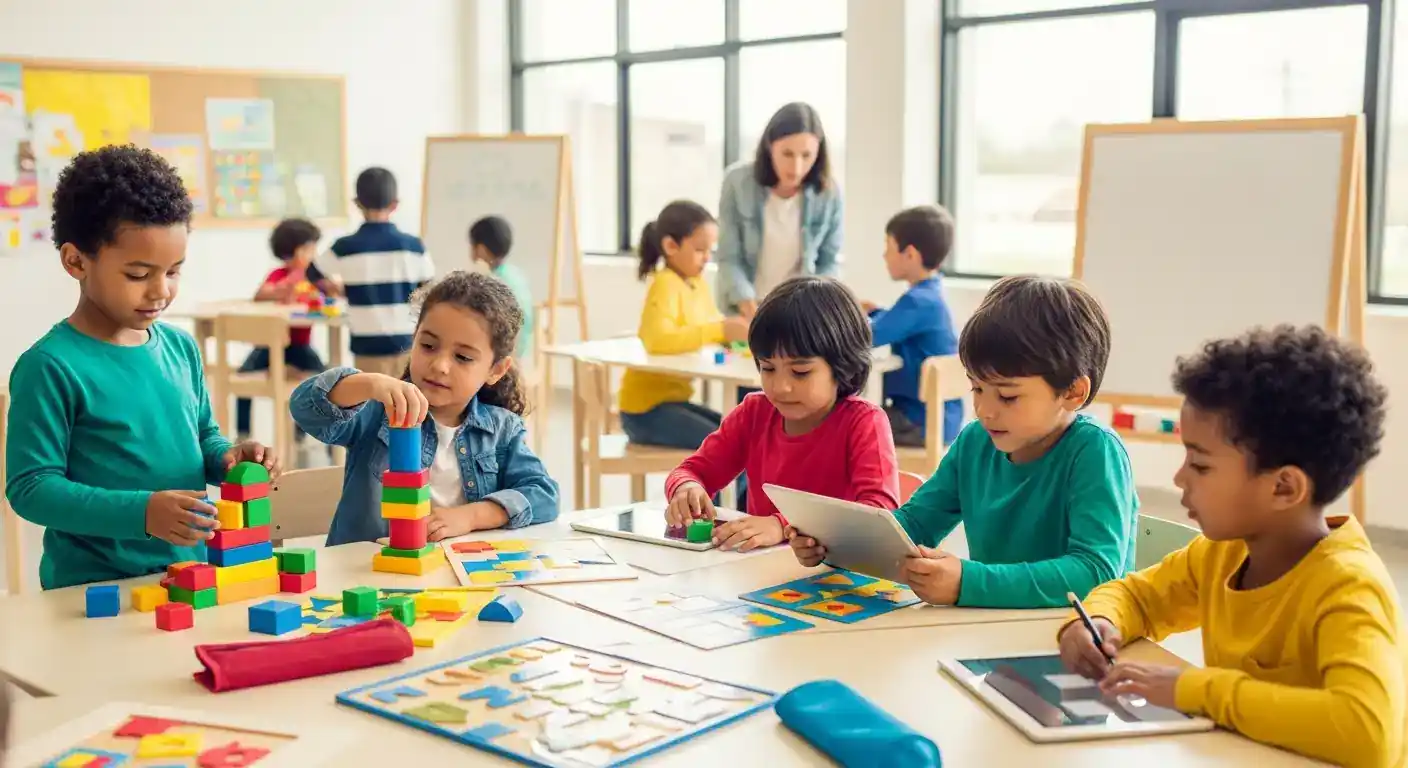
The impact of positive reinforcement on child behavior and learning outcomes is a cornerstone of effective parenting and education, shaping young minds in profound ways. Rather than focusing on punishment or negative consequences, positive reinforcement encourages desired behaviors by providing rewarding outcomes. This approach not only fosters a child's self-esteem and intrinsic motivation but also creates a supportive environment conducive to optimal development. By understanding and applying these principles, parents and educators can significantly enhance a child's engagement, resilience, and overall learning journey. It's a powerful strategy for nurturing well-rounded, confident individuals.
Key Points:
- Positive reinforcement builds self-esteem and intrinsic motivation.
- It creates a positive and supportive learning environment.
- Encourages desired behaviors through rewarding outcomes.
- Enhances engagement, resilience, and overall learning outcomes.
- A foundational strategy for optimal child development.
Understanding the Core Principles of Positive Reinforcement
Positive reinforcement involves presenting a favorable stimulus after a desired behavior, making that behavior more likely to occur again in the future. This can range from verbal praise and high-fives to small rewards or privileges. The effectiveness lies in the immediate connection between the action and its positive consequence, helping children understand what actions are valued. It moves beyond merely stopping undesirable actions and actively teaches and strengthens pro-social and learning-focused behaviors.
Differentiating Positive Reinforcement from Bribery
A common misconception is that positive reinforcement is akin to bribery. However, there's a crucial distinction. Bribery typically involves offering a reward before a desired behavior to coerce cooperation, often for something the child should already be doing. Positive reinforcement, conversely, is delivered after the desired action, serving as a natural consequence and a signal that the behavior was appropriate and appreciated. This subtle but significant difference reinforces intrinsic motivation rather than external manipulation, ensuring children learn to internalize good choices.
The Science Behind Positive Reinforcement and Brain Development
Recent neuroscientific research underscores the profound impact of positive reinforcement on child behavior and learning outcomes by examining its effects on brain development. Studies indicate that positive feedback activates the brain's reward system, particularly dopamine pathways, which are crucial for motivation, attention, and memory formation. A 2023 study by the "Institute for Cognitive Development" highlighted how consistent positive reinforcement fosters stronger neural connections associated with executive functions, such as planning, problem-solving, and emotional regulation, particularly in preschoolers. This neurological scaffolding helps children build a robust foundation for future learning and social interaction, demonstrating that positive interactions are not just good for feelings but are essential for brain architecture.
How Positive Reinforcement Shapes Early Childhood Learning
Positive reinforcement is a powerful tool in early childhood education, significantly influencing how children approach new challenges and integrate knowledge. When children receive praise or a positive response for their efforts, even small ones, they are more likely to persevere and engage deeply with learning tasks. This is especially vital in creative arts education, where experimentation and risk-taking are key.
Fostering Engagement and Curiosity
By consistently acknowledging effort and progress, educators cultivate an environment where children feel safe to explore, ask questions, and make mistakes. This positive atmosphere enhances their natural curiosity, leading to greater engagement in activities. For instance, a child praised for trying to paint a complex scene, regardless of the outcome, learns that the process of exploration is valuable. This encourages them to continue experimenting and developing new skills. This concept is explored further in our article on fostering creativity in preschoolers through art.
Building Resilience and Persistence
One of the most valuable long-term learning outcomes influenced by positive reinforcement is the development of resilience. When children are recognized for their persistence in the face of difficulty, they learn to view challenges not as roadblocks but as opportunities for growth. This resilience is critical for navigating academic hurdles and life's inevitable setbacks. A 2024 longitudinal study by "Child Psychology Quarterly" found that children exposed to consistent positive reinforcement during early learning experiences exhibited significantly higher levels of persistence and problem-solving skills in elementary school.
Practical Strategies for Implementing Positive Reinforcement
Implementing positive reinforcement effectively requires consistency, specificity, and genuine intention. It's not just about saying "good job," but about clearly articulating what behavior is being praised and why.
Specific Praise and Encouragement
Instead of vague compliments, offer specific praise that highlights the desired behavior. For example, rather than "You're a good artist," try "I noticed how carefully you mixed those colors to get just the right shade for your sky! That shows great attention to detail." This helps children understand what they did well and encourages them to repeat that specific action. This precision makes the feedback more meaningful and actionable, reinforcing the link between effort and outcome.
Non-Verbal Cues and Gestures
Positive reinforcement isn't limited to words. Non-verbal cues like a warm smile, a nod of approval, a high-five, or even a simple pat on the back can be incredibly powerful. These gestures convey acceptance and pride, strengthening the emotional bond between child and caregiver. In a classroom setting, a teacher's approving glance can reassure a hesitant child and motivate them to continue participating.
Token Systems and Rewards (Used Judiciously)
While the goal is to foster intrinsic motivation, external rewards can be useful tools, especially when introducing new or challenging behaviors. Token systems, where children earn points or tokens for desired actions that can later be exchanged for a privilege or small prize, can be effective. However, it's crucial to fade out tangible rewards over time, transitioning towards intrinsic motivators like pride in accomplishment and social praise. This ensures children don't become solely reliant on external incentives, a principle often discussed in behavior management training. For more on effective behavior strategies, see our category on [/categories/creative-arts-education].
The Role of Positive Reinforcement in Creative Arts
In creative arts, positive reinforcement is particularly potent. It encourages children to take risks, experiment with materials, and express themselves freely without fear of judgment. Praising creativity, effort, and unique ideas—rather than just the "perfect" outcome—builds confidence and a love for artistic exploration. An example: "I love how you used glitter and paint to make your star sparkle! That's a very imaginative way to show light." This validates their artistic choices and fosters a sense of agency. This approach is key to nurturing future innovators and problem-solvers.
Long-Term Benefits for Child Behavior and Academic Success
The impact of positive reinforcement on child behavior and learning outcomes extends far beyond immediate improvements. It lays a groundwork for lifelong success, fostering essential characteristics that contribute to overall well-being and academic achievement.
Enhanced Self-Esteem and Confidence
Children who regularly receive positive feedback develop a stronger sense of self-worth. They learn to trust their abilities, feel capable of tackling new challenges, and believe in their potential. This healthy self-esteem is critical for social development, academic engagement, and emotional regulation. Confident children are more likely to participate in class, volunteer for tasks, and bounce back from setbacks.
Improved Social Skills and Empathy
When positive behaviors like sharing, cooperating, and showing kindness are reinforced, children learn the value of these actions within a social context. They are more likely to exhibit pro-social behaviors, leading to better peer relationships and a greater capacity for empathy. By recognizing and rewarding acts of compassion, we help children internalize these values, making them more considerate members of their communities.
Stronger Parent-Child and Teacher-Student Relationships
Positive reinforcement strengthens the bonds between children and their caregivers or educators. When interactions are primarily positive and supportive, trust is built, and communication improves. Children feel understood and valued, which makes them more receptive to guidance and instruction. This positive relational foundation is crucial for effective discipline and continuous learning.
Differentiated Value: Integrating Mindfulness and Neuroscience
Beyond traditional approaches, integrating mindfulness with positive reinforcement offers unique benefits. Encouraging children to be mindful of their actions and the positive feelings associated with positive outcomes amplifies the effect. For example, after a child successfully collaborates on a project, asking them "How did it feel when you worked together so well?" helps them connect the positive behavior with an internal sense of satisfaction. This deepens the intrinsic reward, shifting the focus from external praise to internal gratification, a concept gaining traction in early childhood development studies as of 2025. This cultivates self-awareness and emotional intelligence.
FAQ Section
Q: What is the primary difference between positive reinforcement and punishment? A: Positive reinforcement adds a desirable stimulus to increase a desired behavior, such as praising a child for sharing. Punishment, conversely, either adds an undesirable stimulus (e.g., a scolding) or removes a desirable one (e.g., taking away a toy) to decrease an undesired behavior. Positive reinforcement focuses on building up good habits, while punishment aims to stop bad ones.
Q: How quickly can I expect to see results from using positive reinforcement? A: The speed of results can vary greatly depending on the child, the specific behavior being targeted, and the consistency of the reinforcement. Some children may show immediate improvements, while others might take several weeks to internalize the desired changes. Consistency and patience are key for long-term learning outcomes and sustained behavioral shifts.
Q: Can positive reinforcement be used for older children and teenagers too? A: Absolutely! While the methods may evolve (e.g., verbal praise might be more subtle, rewards might be privileges or increased autonomy), the underlying principles of positive reinforcement remain highly effective for all age groups. Acknowledging effort, achievements, and positive choices continues to build self-esteem and motivation in adolescents, supporting their developmental journey.
Q: How can I ensure positive reinforcement doesn't lead to entitlement? A: The key is to reinforce effort, specific behaviors, and character traits, rather than just results, and to keep rewards proportionate. Focus on genuine praise for intrinsic qualities like kindness, persistence, or creativity. Avoid reinforcing every minor action, and gradually shift from tangible rewards to social praise and the intrinsic satisfaction of achievement, helping children value the process over the prize.
Conclusion
The impact of positive reinforcement on child behavior and learning outcomes is undeniable and far-reaching. By consistently and thoughtfully applying these principles, parents and educators can cultivate environments where children thrive, not just academically but emotionally and socially. This approach fosters a deep love for learning, builds unwavering confidence, and equips children with the resilience needed to navigate life's complexities. Embrace positive reinforcement as a cornerstone of your child-rearing and educational philosophy, and watch as young minds blossom into their full potential.
We encourage you to share your experiences with positive reinforcement in the comments below or subscribe to our newsletter for more insights into child development and creative education strategies. For further exploration, consider reading about effective communication strategies with children or the psychology of play in early development.