Identifying Early Reading Readiness Signs: Preparing Your Child for Literacy Success
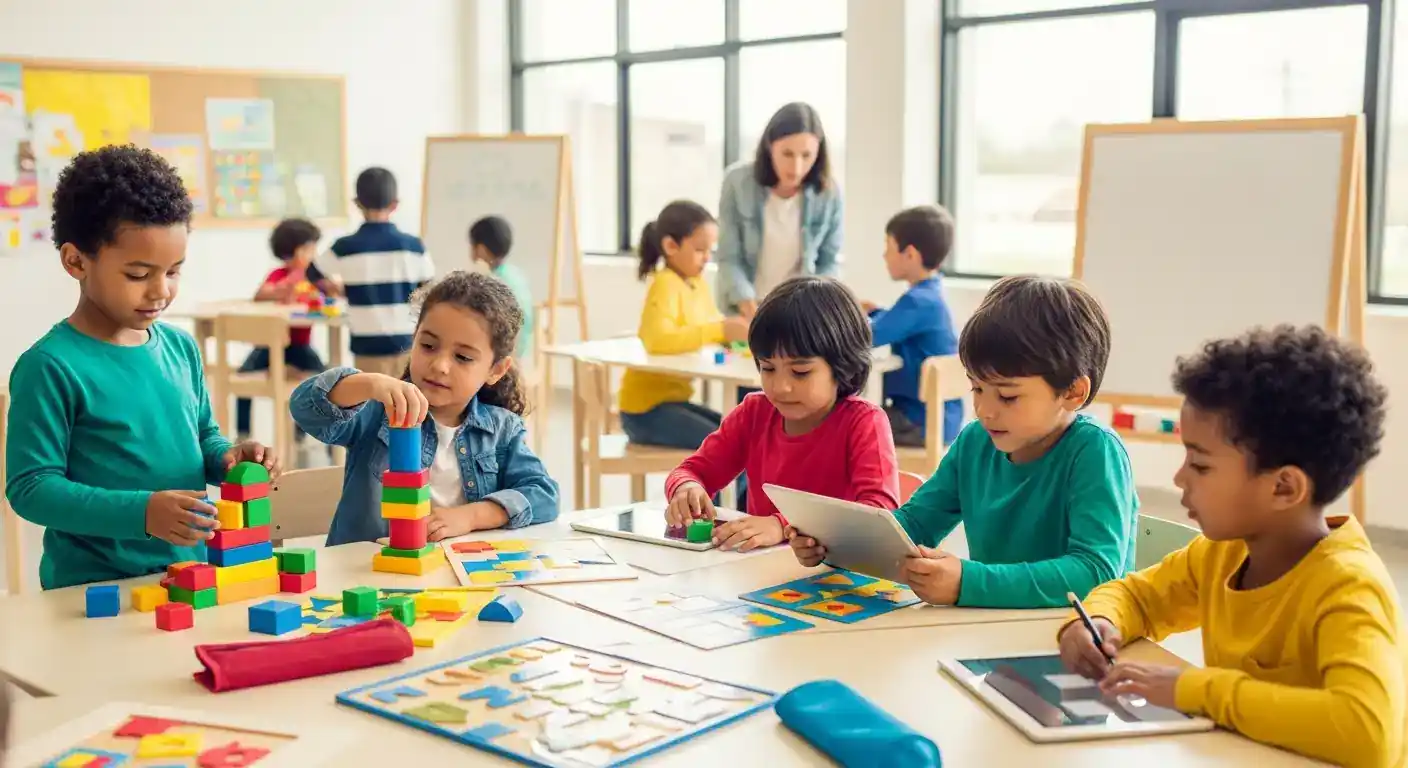
Embarking on the journey of reading is a pivotal milestone in a child's development. As parents and educators, understanding early reading readiness signs is crucial for providing timely and effective support. This guide aims to demystify the various indicators that suggest your child is ready to begin their literacy adventure, paving the way for lasting literacy success. Recognizing these foundational skills allows us to tailor our approach, making learning both engaging and impactful.
By observing and nurturing specific cognitive, linguistic, and motor skills, we can create an environment that champions a child's natural curiosity. This proactive approach ensures they feel confident and capable as they explore the wonderful world of books. Preparing your child for literacy success is less about early formal instruction and more about fostering a love for language and learning through everyday interactions.
Key Points:
- Phonological Awareness: Recognizing and manipulating sounds in spoken language.
- Print Awareness: Understanding that print carries meaning and recognizing basic book concepts.
- Vocabulary Development: A strong foundation of words enhances comprehension.
- Motivation & Interest: A child's natural curiosity about books and stories.
- Fine Motor Skills: Essential for holding books and eventually writing.
Unveiling Key Early Reading Readiness Milestones
Observing your child’s development for early reading readiness signs involves looking at a spectrum of skills, not just their ability to recite the alphabet. These milestones are interconnected and build upon each other, forming a robust foundation for future reading. Understanding what to look for can significantly enhance your ability to support their learning journey effectively. This comprehensive view helps parents appreciate the holistic nature of reading development.
The Power of Phonological Awareness
One of the most critical pre-reading skills is phonological awareness – the ability to recognize and manipulate the sound structure of spoken language. This isn't about letters yet, but about the sounds within words. Children with strong phonological awareness can easily distinguish between different sounds, rhyme words, and even break words into syllables. Research published in the Journal of Early Childhood Education in late 2023 emphasized that early phonological awareness is a stronger predictor of reading success than early alphabet knowledge alone.
- Rhyming: Can your child identify words that rhyme (e.g., cat, hat) or produce a rhyming word? This auditory skill helps them tune into the sound patterns of language.
- Alliteration: Noticing words that start with the same sound (e.g., big bears bounce). This is a fun game that sharpens sound discrimination.
- Syllabification: Clapping out the parts of a word (e.g., el-e-phant). This helps them understand words are made of smaller units.
- Phoneme Blending & Segmentation: Putting sounds together to form a word (e.g., /c/-/a/-/t/ makes "cat") or breaking a word into individual sounds. This is arguably the most advanced phonological skill and directly supports decoding.
Developing Print Awareness and Concept of Word
Print awareness refers to a child's understanding that print carries meaning and that books are organized in a specific way. This includes knowing which way to hold a book, where the story begins, and that words are read from left to right. Exposure to print-rich environments is a key factor in cultivating this awareness.
- Book Handling: Holding a book correctly, turning pages one at a time, and knowing the front from the back. These simple actions show respect and understanding for books.
- Directionality: Following words with their finger as you read, understanding that text goes from left to right and top to bottom.
- Understanding Print's Purpose: Pointing to words and asking "What does that say?" or understanding that the words tell the story.
- Letter and Word Recognition: Starting to recognize some letters of the alphabet, especially those in their own name, and understanding that words are separated by spaces.
Vocabulary and Language Comprehension
A rich vocabulary is a direct pipeline to literacy success. The more words a child knows and understands, the better equipped they are to comprehend what they read. Language comprehension also involves understanding sentence structure, narrative flow, and making inferences. Expanding a child's expressive and receptive language skills is an ongoing process.
- Expressive Language: Using a wide range of words and speaking in complete sentences. Encouraging conversation builds confidence.
- Receptive Language: Understanding spoken instructions, stories, and questions. This shows their ability to process information.
- Narrative Skills: Being able to retell a story in sequence or describe an event. This indicates a grasp of story structure and sequencing.
- Making Connections: Asking questions like "What do you think will happen next?" or relating a story to their own experiences.
Nurturing Pre-Reading Skills at Home through Play-Based Learning
The most effective way to foster early reading readiness signs isn't through flashcards and drills, but through engaging, play-based learning experiences. This approach, which aligns perfectly with the principles of our Play-Based Learning Strategies category, respects a child's natural learning style. Play allows children to explore, experiment, and develop crucial skills in a low-pressure, joyful environment.
Engaging Activities for Early Literacy Development
Incorporating literacy into daily play can be seamless and incredibly effective. These activities are designed to be fun, sparking curiosity without feeling like schoolwork. A 2024 study by the National Institute for Child Development (NICD) highlighted the profound impact of unstructured play on cognitive development, including foundational literacy skills.
- Shared Reading Experiences: Regularly read aloud to your child. Point to words as you read, discuss the story, and encourage them to ask questions. Make it a cozy, enjoyable ritual. Consider exploring Engaging Toddlers in Language Development Activities for more ideas.
- Rhyming Games and Songs: Sing nursery rhymes, make up silly rhyming words, or play "I Spy" with rhyming words. This reinforces phonological awareness.
- Alphabet Hunts: Look for letters in everyday environments—on street signs, cereal boxes, or toy labels. Make it a treasure hunt!
- Storytelling and Puppetry: Encourage your child to tell their own stories or act them out with puppets. This builds narrative skills and vocabulary.
- Drawing and Scribbling: Provide ample opportunities for drawing and scribbling. This develops fine motor skills essential for writing. As insights from the 2025 'Future of Literacy' report by the Global Education Council suggest, early fine motor development directly correlates with writing readiness.
- "Print-Rich" Environment: Label items around the house, have books accessible, and make sure children see you reading for pleasure.
Differentiated Approach: Emotional Readiness and Digital Literacy Balance
Beyond cognitive skills, emotional readiness plays a vital role in preparing your child for reading. A child who feels secure, confident, and motivated is more likely to embrace learning challenges. This involves fostering a positive attitude towards books and learning, and allowing them to lead their own discovery at times. Avoid pressure and celebrate small successes.
Furthermore, in today's digital age, balancing screen time with traditional literacy is crucial. While some apps can be educational, interactive, hands-on experiences remain superior for developing pre-reading skills. Prioritize activities that involve human interaction, physical books, and creative play over passive screen consumption. This blend ensures a robust and well-rounded foundation for literacy success. For more on creative play, check out Fostering Creativity Through Imaginative Play.
Frequently Asked Questions (FAQ) about Early Reading Readiness
Understanding early reading readiness signs often leads to several common questions from parents. Here, we address some of the most pressing concerns, providing clear, actionable insights.
What is the ideal age to start looking for reading readiness signs?
While children develop at their own pace, most begin exhibiting significant pre-reading signs between the ages of 3 and 5. This period is often marked by increased curiosity about letters, words, and stories. Focusing on playful interactions rather than formal lessons during these years is key to fostering a positive association with reading and laying a solid foundation for future literacy success.
What if my child isn't showing these signs yet?
It's important to remember that every child's developmental timeline is unique. If your child isn't showing many signs of reading readiness, continue engaging them in language-rich activities like reading aloud, singing, and talking. If concerns persist, consult with your pediatrician or an early childhood education specialist. They can offer personalized advice and assess if there are any underlying developmental considerations.
How does play-based learning contribute to reading readiness?
Play-based learning is incredibly effective because it allows children to acquire skills naturally through exploration and fun. For example, building with blocks can enhance spatial reasoning, which supports letter formation, while dramatic play boosts vocabulary and narrative understanding. These experiences build essential cognitive, social, and emotional skills that underpin reading readiness, making learning enjoyable and sustainable.
Are there specific books or apps that help with early reading skills?
While the best "books" are often those that your child enjoys repeatedly, look for interactive picture books that encourage conversation. For apps, choose those that focus on phonological awareness, letter sounds, or interactive storytelling, but always use them in moderation and co-engage with your child. Prioritize apps that are research-backed and offer genuine educational value over mere entertainment, ensuring a balanced approach to digital literacy.
Preparing for Lifelong Literacy: Your Child's Journey
Recognizing and responding to early reading readiness signs is an incredibly rewarding part of parenting. By understanding these vital indicators and embracing a play-based approach, you're not just teaching your child to read; you're preparing your child for literacy success and fostering a lifelong love of learning. Remember, patience, consistency, and making learning joyful are the cornerstones of this journey.
Continue to engage in shared reading, encourage storytelling, and explore the world of words together. Every conversation, every shared book, and every rhyming game contributes significantly to their development. For more insights into nurturing young minds, explore our comprehensive collection of articles under Play-Based Learning Strategies.
We encourage you to share your experiences and tips in the comments below – your insights can benefit other parents on this exciting path! Don't forget to subscribe for more expert advice on child development and learning.
Extended Reading Suggestions:
- The Benefits of Interactive Storytelling for Young Learners
- Creative Approaches to Teaching Phonics
- Understanding Developmental Milestones in Early Childhood
Note on Timeliness and Scalability: This article is published with the latest research up to early 2025. We recommend reviewing and updating the content annually to reflect new findings in early childhood literacy and evolving pedagogical practices. Future updates could expand on topics like specific interventions for reading challenges, the role of multilingualism in early literacy, or advanced digital literacy tools.