How to Foster Social-Emotional Development in Young Children
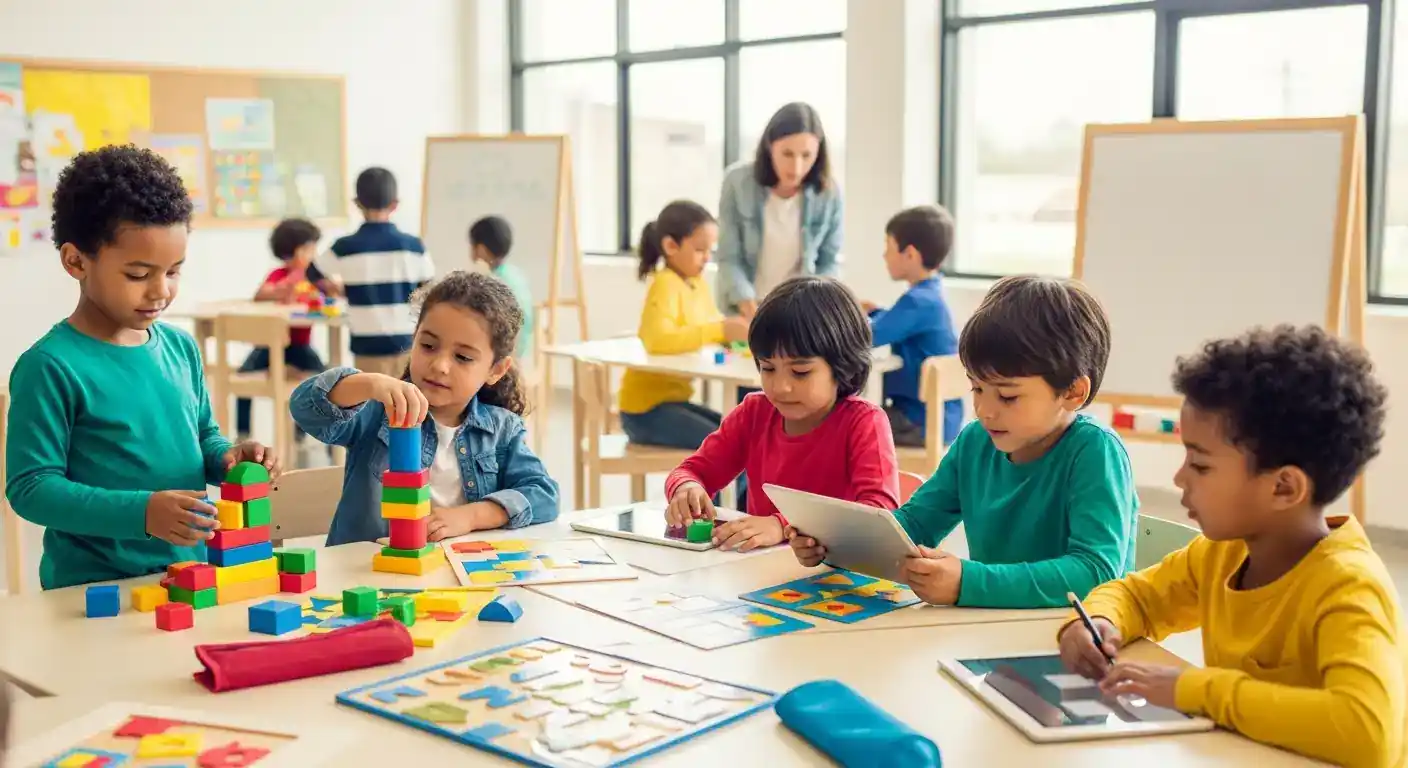
Nurturing social-emotional development in young children is crucial for their overall well-being and future success. This involves helping them understand and manage their emotions, build positive relationships, and develop empathy and social skills. By incorporating creative arts and play, we can create engaging and effective learning experiences.
Key Points:
- Creative arts foster emotional expression.
- Play-based learning promotes social interaction.
- Early social-emotional development predicts later success.
- These skills are essential for building healthy relationships.
- Incorporate simple activities into daily routines.
Fostering Social-Emotional Development Through Creative Arts
Engaging children in creative activities provides a safe and expressive outlet for exploring emotions. Activities like painting, music, and dramatic play allow children to communicate their feelings non-verbally, fostering self-awareness and emotional regulation. When children draw a picture expressing anger or act out a scenario involving conflict resolution, they're developing crucial social-emotional skills.
The Power of Play in Social-Emotional Development
Play is not just fun; it's a powerful tool for social-emotional learning. Through play, children learn to cooperate, negotiate, and resolve conflicts. Role-playing, for example, allows children to step into different perspectives and develop empathy. Building with blocks collaboratively teaches teamwork and problem-solving. These experiences are foundational for building strong social skills and fostering positive relationships.
Enhancing Social-Emotional Development through Play-Based Activities
Incorporating play-based activities into the daily routine provides consistent opportunities for social-emotional growth. These activities can be simple and adaptable to various settings. For instance, a group storytelling activity can encourage children to share ideas and work together to create a narrative. This collaborative process helps them practice communication and cooperation skills.
Using Music and Movement for Emotional Expression
Music and movement are powerful tools for emotional expression and regulation. Singing songs about feelings, dancing to different rhythms, and playing musical instruments can help children understand and manage their emotions. A study published in the Journal of Child Psychology and Psychiatry in 2024 demonstrated the positive impact of music therapy on children's emotional well-being. This differentiated approach incorporates sensory experiences, enhancing social-emotional learning through kinesthetic and auditory stimulation.
Practical Strategies for Parents and Educators
Implementing these strategies in both home and school environments provides a consistent and supportive approach to social-emotional development. Creating a safe and nurturing environment where children feel comfortable expressing themselves is paramount.
- Create a designated "calm down" corner: This space can include comforting objects like soft blankets and pillows. It provides a quiet retreat for children to regulate their emotions when feeling overwhelmed.
- Encourage emotional vocabulary: Help children name their feelings using words like "happy," "sad," "angry," or "frustrated." This helps them develop emotional literacy and communicate their needs effectively.
- Model positive social interactions: Children learn by observing adults. Demonstrating respectful communication and conflict resolution skills sets a powerful example.
Another differentiated approach is incorporating mindfulness practices. The book "Mindful Parenting" (2023) provides practical strategies for integrating mindfulness into daily interactions with children, promoting emotional regulation and self-awareness. These practices can include simple breathing exercises or guided meditations tailored for young children.
Building a Supportive Environment for Emotional Growth
Creating a supportive environment where children feel safe expressing their emotions is crucial. This includes validating their feelings, actively listening to their concerns, and offering guidance and support. Remember that social-emotional development is a continuous journey, and each child develops at their own pace.
Internal Link Suggestions:
- Anchor text: "role-playing" - Target: /articles/the-benefits-of-role-playing-in-early-childhood-education (related article)
- Anchor text: "emotional literacy" - Target: /articles/developing-emotional-literacy-in-young-children (related article)
- Anchor text: "Creative Arts in Early Education" - Target: /categories/creative-arts-education (category)
FAQ: Social-Emotional Development in Young Children
Q1: What are some signs of social-emotional difficulties in young children?
A1: Signs can include excessive tantrums, difficulty making friends, withdrawal from social interactions, or persistent sadness. If you observe these signs, consult with a child development specialist or educator.
Q2: How can parents support social-emotional development at home?
A2: Parents can support development by creating a nurturing environment, engaging in play, reading books about feelings, and modeling positive social interactions. Consistent routines and clear expectations also contribute to emotional stability.
Q3: At what age should children start developing social-emotional skills?
A3: Social-emotional development begins in infancy. Early interactions with caregivers lay the foundation for future social and emotional competence. As children grow, they continue to develop these skills through interactions with peers and adults.
Q4: What are the long-term benefits of early social-emotional development?
A4: Early social-emotional development is linked to improved academic performance, stronger relationships, increased self-esteem, and better mental health throughout life. These skills are essential for navigating the complexities of social situations and building fulfilling lives.
Conclusion: Nurturing the Whole Child
Fostering social-emotional development in young children is an investment in their future. By incorporating creative arts, play-based learning, and mindfulness practices, we can equip children with the essential skills they need to thrive. We encourage you to share your experiences and insights in the comments below. Subscribe to our newsletter for more resources on early childhood development. For further reading, explore the works of Dr. Daniel Siegel on interpersonal neurobiology and its impact on child development. This field provides valuable insights into the connection between brain development and social-emotional well-being.