Guiding Young Children Through Big Emotions: Social-Emotional Learning in Practice
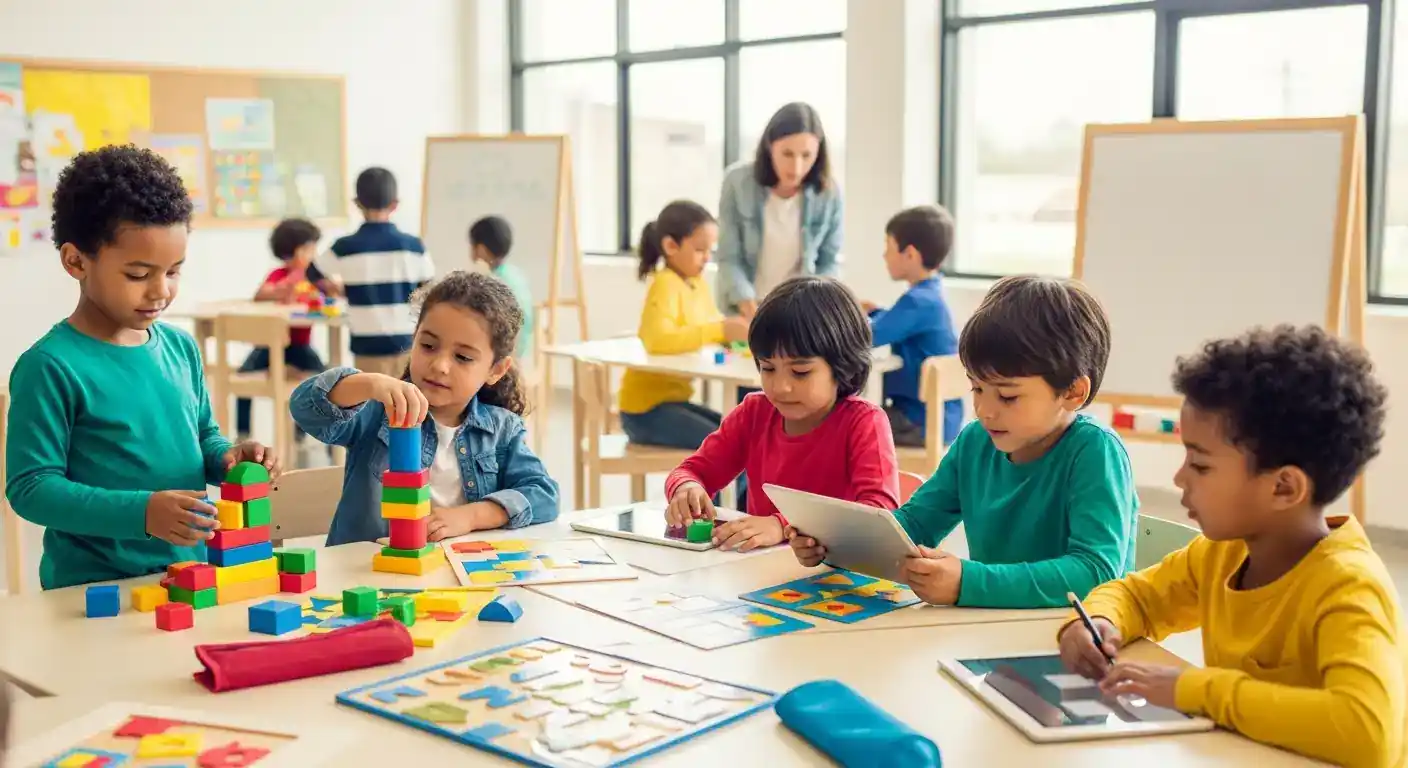
Guiding Young Children Through Big Emotions: Social-Emotional Learning in Practice
Understanding and managing emotions is a fundamental life skill, especially for young children navigating a world full of new experiences. Guiding young children through big emotions isn't just about calming a tantrum; it's about fostering social-emotional learning (SEL) that builds a robust foundation for their future well-being. This article delves into practical, everyday strategies that parents, educators, and caregivers can employ to cultivate emotional intelligence, empathy, and resilience in young learners. By integrating SEL into daily routines, we empower children to identify their feelings, develop healthy coping mechanisms, and build positive relationships. It's an investment in their holistic development, crucial for academic success and lifelong happiness.
Key Points:
- Acknowledge and Validate: Recognize children's feelings without judgment.
- Teach Emotional Vocabulary: Help children name their emotions.
- Model Healthy Regulation: Demonstrate calm and problem-solving.
- Practice Coping Strategies: Introduce simple techniques like deep breaths.
- Foster Empathy: Encourage understanding others' perspectives.
Understanding the Core Components of Social-Emotional Learning in Early Childhood
Social-Emotional Learning (SEL) is the process through which children and adults acquire and effectively apply the knowledge, attitudes, and skills necessary to understand and manage emotions, set and achieve positive goals, feel and show empathy for others, establish and maintain positive relationships, and make responsible decisions. For young children, these skills are particularly vital as they are still developing their sense of self and their place in the world. Integrating SEL into daily life helps children not only manage their "big emotions" but also thrive in social settings.
The Collaborative for Academic, Social, and Emotional Learning (CASEL) outlines five core competencies of SEL: self-awareness, self-management, social awareness, relationship skills, and responsible decision-making. These aren't isolated skills but rather interconnected abilities that build upon each other. When we focus on guiding young children through big emotions, we are directly addressing self-awareness (identifying feelings) and self-management (regulating those feelings).
Why SEL is Crucial for Navigating Big Emotions
Young children often experience intense emotions without the language or cognitive tools to understand and express them constructively. This can manifest as meltdowns, aggression, or withdrawal. Social-emotional learning in practice provides them with those essential tools. A 2024 review published in the Journal of Early Childhood Education highlighted that early SEL interventions significantly reduce behavioral problems and enhance prosocial behaviors in preschoolers. This research reinforces the importance of a proactive approach to emotional development, rather than simply reacting to outbursts.
Furthermore, strong SEL skills lay the groundwork for academic success. Children who can manage their emotions are better able to focus, follow directions, and engage with their peers and teachers. They become resilient learners, less prone to frustration and more open to new challenges. This holistic development creates a positive feedback loop, where emotional well-being supports learning, and learning, in turn, strengthens emotional intelligence. For more detailed insights into managing challenging moments, consider exploring resources on [/articles/understanding-child-temper-tantrums](Understanding Child Temper Tantrums) for practical guidance.
Practical SEL Strategies for Guiding Young Children Through Big Emotions
Implementing SEL doesn't require complex curricula; it thrives in everyday interactions. Here are actionable strategies for guiding young children through big emotions, focusing on natural integration into daily life.
1. Naming and Validating Emotions
The first step in emotional regulation is recognizing the emotion itself. Young children often feel things intensely but lack the vocabulary to express them.
- Give feelings a name: When a child is upset, say, "It looks like you're feeling frustrated because your tower fell." or "Are you feeling sad that playtime is over?"
- Validate their experience: Respond with empathy, "It's okay to feel angry sometimes. Everyone feels angry." This teaches them that all emotions are acceptable, even if certain behaviors are not.
- Use emotion charts or books: Visual aids can help children identify different facial expressions and body language associated with various feelings.
2. Modeling Healthy Emotional Regulation
Children are keen observers. Our reactions to stress and big emotions teach them how to cope.
- Demonstrate calm: When you feel frustrated, narrate your coping mechanism. "I'm feeling a little overwhelmed right now, so I'm going to take three deep breaths."
- Talk through problems: Involve children in finding solutions to minor conflicts you face. "I'm upset because my plant broke. I'm going to look for glue to fix it."
- Apologize when necessary: Showing children that adults can make mistakes and apologize teaches humility and relationship repair. A 2023 study by the Child Mind Institute indicated that parental modeling of emotional regulation is a significant predictor of children's prosocial behavior.
3. Teaching Coping Mechanisms and Self-Soothing Techniques
Once children can name an emotion, they need tools to manage it constructively.
- Deep breathing: Teach "belly breaths" or "flower breaths" (smell a flower, blow out a candle). Make it a fun, game-like activity.
- Safe spaces: Designate a "calm-down corner" with pillows, books, and quiet activities where a child can retreat when feeling overwhelmed.
- Movement and sensory input: For some children, physical activity or sensory tools (like a fidget toy or weighted blanket) can help process intense feelings.
4. Fostering Empathy and Social Skills: Key SEL Practices
Guiding young children through big emotions also involves helping them understand others' feelings.
- Perspective-taking: Ask questions like, "How do you think your friend feels when you take their toy?" or "Look at her face, what do you think she might be feeling?"
- Practice sharing and turn-taking: These fundamental social skills build a foundation for respectful interaction and conflict resolution.
- Community involvement: Simple acts of kindness, like helping a neighbor or contributing to a classroom project, foster a sense of belonging and social responsibility. These interactions are vital for [/articles/building-resilience-in-preschoolers](building resilience) in young children.
5. Navigating Challenging Behaviors with Social-Emotional Intelligence
When big emotions lead to challenging behaviors, SEL offers a framework for response.
- Positive discipline: Focus on teaching and guiding, rather than just punishing. Understand the feeling behind the behavior.
- Set clear boundaries: Children need consistent limits to feel secure. Explain why certain actions are not acceptable.
- Problem-solve together: After a child has calmed down, discuss what happened and brainstorm solutions for next time. "Next time you feel angry, what could you do instead of hitting?" This approach aligns with the National Association for the Education of Young Children (NAEYC) 2025 guidelines on positive behavior support.
Differentiated approaches often involve considering the child's developmental stage and individual temperament. For instance, a highly sensitive child might benefit more from a quiet, comforting presence, while a more active child might need a physical outlet like jumping or squeezing a stress ball. Incorporating a variety of strategies ensures that you have tools to support every unique child. Further practical advice on managing these situations can be found by exploring [/articles/positive-parenting-strategies-for-toddlers](positive parenting strategies for toddlers).
Frequently Asked Questions About Social-Emotional Learning
What does "big emotions" mean for a young child?
"Big emotions" refer to intense feelings like anger, frustration, sadness, fear, or excitement that can overwhelm a young child's developing emotional regulation skills. These emotions are not inherently bad but can lead to challenging behaviors because children lack the mature coping mechanisms and language to express them constructively. It's our role to help them navigate these powerful feelings.
How can I encourage my child to talk about their feelings?
Encourage your child to talk about their feelings by creating a safe and judgment-free space. Start by modeling emotional expression yourself, using simple words. Ask open-ended questions like, "How did that make you feel?" or "What's making your tummy feel wiggly?" Use storybooks or puppets to discuss emotions, making it less direct and potentially less intimidating for them. Consistency and patience are key.
Is SEL only for school, or can I practice it at home?
SEL is absolutely vital for practice at home! In fact, the home environment is where the foundation for social-emotional skills is primarily built. Parents and caregivers are a child's first and most influential teachers. Daily interactions, from resolving sibling conflicts to celebrating successes, provide countless opportunities to integrate SEL. Consistent practice across home and school environments reinforces these critical life skills.
What are some common mistakes parents make when guiding big emotions?
Common mistakes include dismissing a child's feelings ("Don't be sad, it's just a toy"), shaming them for expressing emotion ("Stop crying, big kids don't cry"), or immediately trying to fix the problem without first validating their feelings. Another error is inconsistent responses to similar behaviors. It's crucial to acknowledge the emotion first, then guide towards appropriate expression and problem-solving, maintaining consistency.
Cultivating Emotional Resilience: A Lifelong Journey
Guiding young children through big emotions using the principles of Social-Emotional Learning is a continuous, rewarding journey. By consistently applying these practical strategies – from naming feelings to modeling healthy coping mechanisms – we equip children with essential tools for life. Remember, progress isn't always linear, and patience is paramount. Every tantrum, every moment of frustration, is an opportunity to teach and connect.
As children grow, their emotional landscape will become more complex, but the foundational skills learned through early SEL will serve as an unwavering compass. By investing in their emotional intelligence now, we are fostering not just calm children, but confident, empathetic, and resilient individuals ready to face the world.
Continue Your Journey in Social-Emotional Learning:
- Explore more topics in our category: Visit our
/categories/social-emotional-learningsection for a wealth of resources and articles. - Share Your Experiences: We invite you to share your own tips and stories in the comments below. What strategies have worked best for you in guiding young children through big emotions?
- Subscribe for Updates: Sign up for our newsletter to receive the latest insights and research on child development and SEL delivered directly to your inbox.
- Recommended Reading: Dive deeper into related topics like positive parenting techniques and building resilience in early childhood to further enhance your understanding.