Fostering Imagination Through Open-Ended Creative Play for Preschoolers at Home
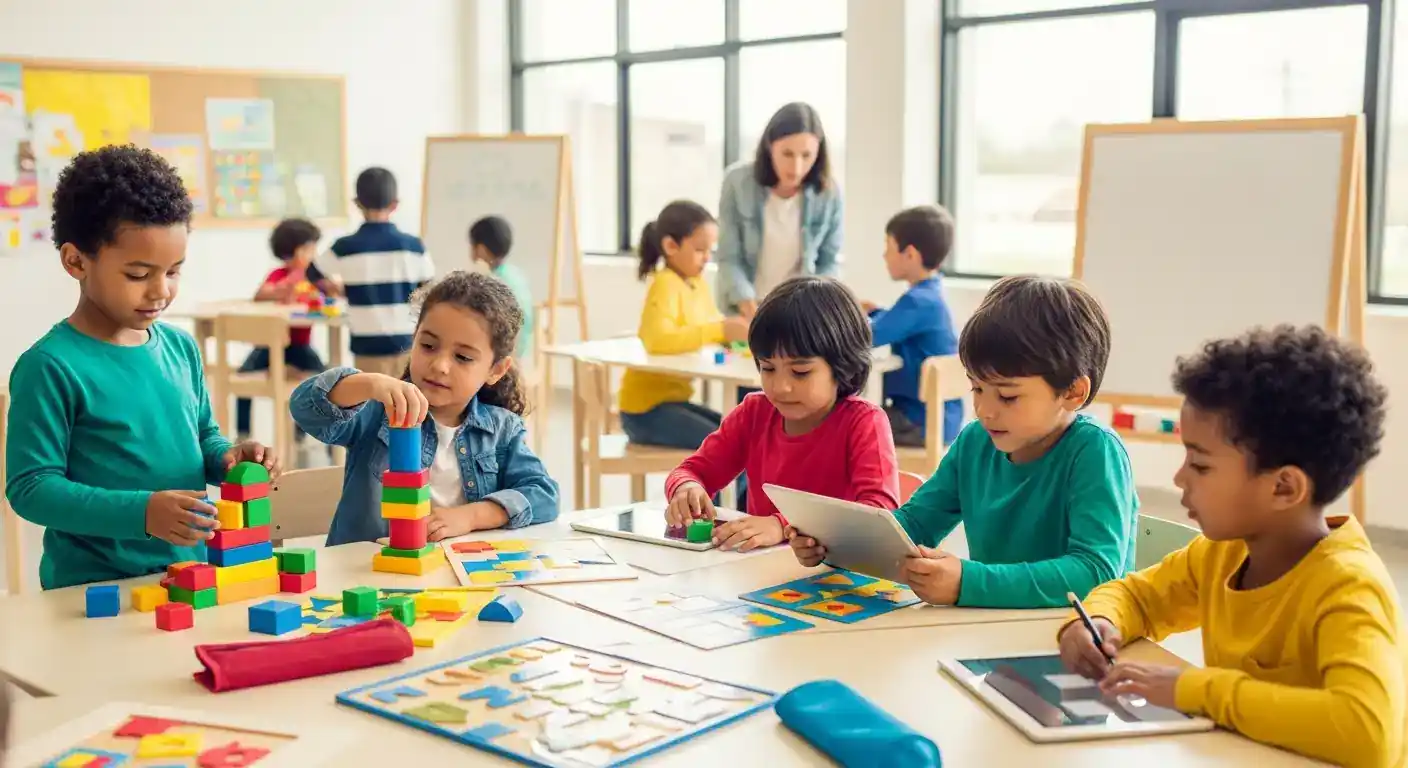
Imagination is the bedrock of innovation, problem-solving, and emotional intelligence. For preschoolers, nurturing this vital skill is paramount, and one of the most effective methods is through open-ended creative play right in the comfort of their home. This article will explore how to empower your child's innate creativity, offering practical strategies and insights for parents to cultivate an environment where imagination thrives. By embracing unstructured activities and readily available materials, we can foster imagination through open-ended creative play for preschoolers at home, setting the stage for lifelong learning and development.
Key Points:
- Boosts Creativity & Problem-Solving: Open-ended play challenges children to think creatively and devise their own solutions.
- Enhances Language Skills: Engaging in imaginative scenarios naturally expands vocabulary and narrative abilities.
- Fosters Independent Thinking: Children take the lead, making choices and exploring concepts without adult direction.
- Supports Social-Emotional Growth: Through role-playing, preschoolers learn empathy, negotiation, and self-expression.
- Utilizes Simple Materials: Everyday items can become powerful tools for endless imaginative exploration.
Understanding Open-Ended Creative Play for Preschoolers
Open-ended creative play stands in contrast to structured activities with predetermined outcomes. It’s about the process, not the product. In this type of play, children are given materials and a broad concept, then allowed to explore and create without specific instructions or a "right" way to do things. There's no template to follow, no single correct answer, and the possibilities are limited only by their imagination. This freedom empowers preschoolers to become active participants in their learning, developing a sense of agency and confidence.
The essence of open-ended play is child-led exploration. When children direct their own play, they engage more deeply, problem-solve instinctively, and build connections between ideas. This self-directed approach is fundamental to fostering imagination through open-ended creative play for preschoolers at home, allowing their unique personalities and thought processes to shine. It's an opportunity for them to experiment, make mistakes, and learn from those experiences in a low-pressure environment.
The Profound Benefits of Unstructured Play for Young Minds
The advantages of unstructured, open-ended play extend far beyond simple entertainment. It's a critical component of holistic child development. Cognitively, it strengthens critical thinking and problem-solving skills as children constantly adapt their ideas and materials to new scenarios. Emotionally, it provides an outlet for self-expression, helping children process feelings and understand the world around them through symbolic play. They might act out situations that cause anxiety or joy, giving them a safe space to explore complex emotions.
Crucially, given our category of Language and Communication Skills, open-ended play significantly enhances a child's linguistic and communicative abilities. As preschoolers engage in dramatic play or build intricate worlds, they naturally develop narratives, expand their vocabulary, and practice articulating their ideas. According to a 2023 study published in the Early Childhood Education Journal, children regularly engaged in process-oriented, open-ended play showed marked improvements in narrative complexity and expressive language compared to their peers who focused solely on structured tasks. This direct link between imaginative play and advanced communication underscores its importance.
Simple Strategies for Fostering Imagination at Home
Creating an environment conducive to imaginative play doesn't require elaborate setups or expensive toys. Often, the most powerful tools are the simplest ones, combined with a supportive parental approach.
Curating an Inspiring Play Environment
The key to an inspiring play environment is accessibility and variety. Designate a specific, safe area where children can spread out and get a little messy without constant worry. Fill it with "loose parts" – items that can be moved, carried, combined, and redesigned. These might include:
- Natural materials: Pinecones, smooth stones, leaves, twigs, shells.
- Recycled items: Cardboard boxes, paper tubes, plastic bottles, bottle caps, fabric scraps.
- Household objects: Old blankets, kitchen utensils (safe ones!), clothes pegs, spools.
Ensure these materials are stored in an organized yet easily accessible manner, perhaps in clear bins or low shelves. This allows children to take ownership of their play space and choose what inspires them. Empowering choice is a cornerstone of effective open-ended play.
Everyday Materials for Endless Creative Exploration
You don't need fancy educational toys to spark creativity. In fact, many commercial toys are too prescriptive, limiting imagination rather than expanding it. Focus on materials that can be many things, rather than just one. Here are some indispensable items for at-home imagination games:
- Cardboard Boxes: From small shoeboxes to large appliance boxes, these can transform into houses, cars, spaceships, or animal habitats.
- Fabric Scraps & Old Clothes: Perfect for dress-up, building forts, or creating costumes for characters.
- Playdough/Clay: An incredibly versatile medium for sculpting, rolling, cutting, and imaginative food preparation.
- Blocks (Wooden or Cardboard): Fundamental for building structures, cities, or abstract forms.
- Art Supplies: A variety of paper, crayons, washable markers, paint, glue, and scissors encourages artistic expression and design thinking.
Remember, the goal is to provide materials that are invitations to create, not instructions.
The Parent's Role: Nurturing, Not Directing, Creative Play
While it might be tempting to step in and "help" or offer suggestions, the most valuable thing a parent can do during open-ended play is to be an observer and a facilitator. Provide the materials, ensure safety, and then step back. This allows the child to lead, fostering independent thinking.
When you do engage, focus on asking open-ended questions that encourage further thought, rather than directing their actions:
- "Tell me about what you're building."
- "What do you think will happen next?"
- "How did you decide to put those pieces together?"
- "What sound does that creature make?"
A key differentiated insight here is to model curiosity and even narrate play without taking over. For example, you might say, "I see you're carefully balancing that block there. It looks like it's becoming a very tall tower!" or "Oh, I wonder if your doll is feeling happy or sad in her new house." This validates their efforts and can sometimes gently prompt further exploration without imposing your ideas. A 2024 study by the Institute for Child Development emphasized that parental presence, characterized by active listening and minimal intervention, significantly correlates with deeper, more sustained imaginative engagement in preschoolers.
Integrating Open-Ended Play with Language and Communication Skills
The connection between imaginative play and robust language development is undeniable. As preschoolers invent scenarios, they naturally develop complex narratives. This process strengthens their ability to sequence events, understand cause and effect, and express themselves verbally. They practice using new vocabulary in context, whether describing a fantastical creature or negotiating roles during dramatic play. This is where fostering imagination through open-ended creative play for preschoolers at home truly pays dividends in their language development journey.
Through dramatic play, children often try on different roles, mimicking speech patterns and vocabulary associated with those characters. This boosts their understanding of social cues and improves their ability to communicate effectively in various situations. When they explain their creations or narrate their play to a parent, they are honing their descriptive language, storytelling skills, and confidence in verbal expression – all vital components of developing language skills in young children.
Addressing Common Challenges in Open-Ended Play
Parents sometimes encounter hurdles when introducing open-ended play. One common concern is the mess. Embrace it as part of the creative process! Establish clear boundaries (e.g., "paint stays on the easel") and involve children in cleanup. Provide designated washable areas or outdoor spaces for particularly messy activities. Another challenge is initial disinterest; some children, accustomed to highly structured activities, might need time and gentle encouragement to engage. Start with simple invitations and join in briefly if invited, then step back. For families grappling with excessive screen time, open-ended play offers a compelling, tangible alternative, redirecting focus to hands-on exploration and social interaction.
Future-Proofing Creativity: Long-Term Impact of Open-Ended Play
The skills cultivated through open-ended play are not just for childhood; they are foundational for lifelong success. Children who regularly engage in imaginative play develop a stronger capacity for innovation, adaptability, and resilience. They learn to approach problems with flexibility, to think outside the box, and to recover from setbacks. These are the very qualities deemed essential for navigating a rapidly changing world. A 2025 report from the National Association for the Education of Young Children (NAEYC) underscored the role of early childhood imaginative play in developing 21st-century skills such as critical thinking, collaboration, and creative problem-solving, making it an investment in a child's future.
FAQ Section
What's the difference between open-ended and structured play?
Open-ended play has no specific instructions or predetermined outcome; children lead the activity using their imagination. Structured play, conversely, has clear rules, goals, or a specific way to play, like a board game or a craft kit with step-by-step directions. Both have value, but open-ended play is uniquely powerful for fostering creativity and independent thinking.
What if my child doesn't seem interested in open-ended play?
It's common for children accustomed to structured activities to need time to adjust. Start small by introducing a few intriguing "loose parts" alongside familiar toys. Resist the urge to direct their play; instead, observe and offer open-ended questions. Sometimes, simply having the materials available and seeing you show interest in their self-directed play can spark curiosity over time.
How can I manage the mess from creative play?
Embrace a certain level of mess as part of the creative process. Establish clear boundaries, like playing with paint only at a designated table or outdoors. Involve your child in cleanup by making it part of the routine. Using washable materials and providing easy-to-access storage for loose parts can also significantly help in maintaining order after play.
How does open-ended play help language development?
Open-ended play provides rich opportunities for language. As children create scenarios, they naturally use and expand their vocabulary, practice constructing sentences, and develop narrative skills through storytelling and role-playing. They learn to express ideas, negotiate roles, and understand perspectives, all of which are critical for robust language and communication abilities.
Conclusion
Embracing open-ended creative play is one of the most enriching gifts you can give your preschooler. By providing simple materials, a supportive environment, and the freedom to explore, you are not just encouraging creativity; you are actively fostering imagination through open-ended creative play for preschoolers at home, building crucial foundations for language, problem-solving, and emotional intelligence. This investment in their early development will resonate throughout their lives, shaping them into adaptable, innovative, and articulate individuals.
We encourage you to observe your child's imaginative world, share their joyful discoveries, and create a home where curiosity knows no bounds. What are your favorite open-ended play materials? Share your ideas in the comments below!
Extended Reading Suggestions:
- Benefits of Early Childhood Learning: Explore the broader impact of foundational learning experiences on young children's development.
/categories/language-communication-skills - Developing Language Skills in Young Children: Dive deeper into specific strategies for enhancing verbal and communicative abilities.
/articles/developing-language-skills-in-young-children - Sensory Play Ideas for Cognitive Development: Discover how sensory experiences can boost brain development and creativity.
/articles/sensory-play-ideas-for-cognitive-development