Exploring Different Learning Frameworks in Early Childhood Education: A Comparative Guide
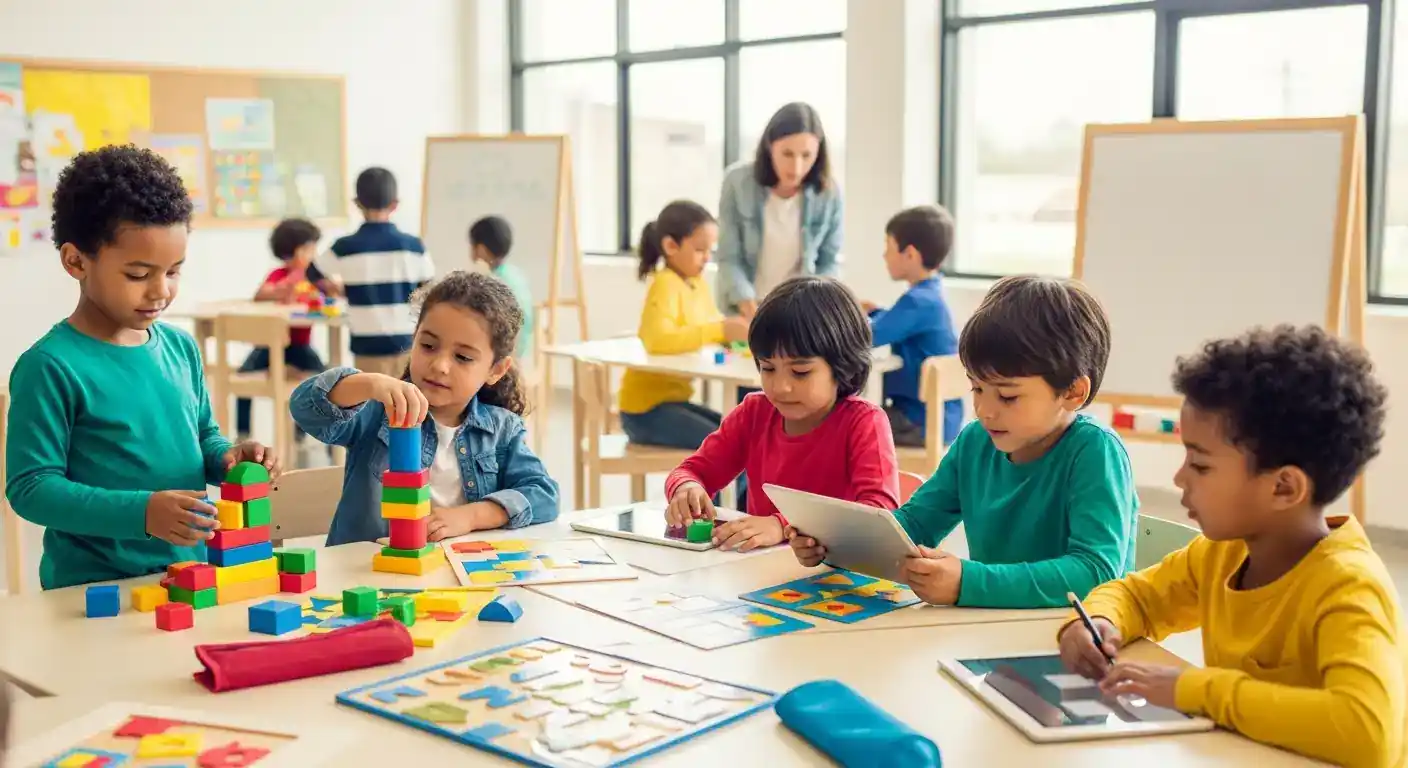
Early childhood education learning frameworks provide crucial structure and guidance for educators. Choosing the right framework significantly impacts a child's development and learning journey. This guide explores several prominent learning frameworks, comparing their approaches and benefits to help you choose the best fit.
Key Points:
- Discover the core principles of popular early childhood learning frameworks.
- Compare and contrast different approaches to early childhood education.
- Understand how to select a framework aligned with your educational goals.
- Learn how learning frameworks contribute to assessment and progress tracking.
- Explore the latest trends in early childhood learning frameworks.
Understanding Early Childhood Learning Frameworks
Early childhood learning frameworks are structured sets of principles, goals, and practices that guide educators in fostering children's development and learning. These frameworks offer a roadmap for creating engaging and effective learning experiences, ensuring a consistent approach to early childhood education. Choosing the right framework is critical for creating a positive and stimulating learning environment.
Exploring the Reggio Emilia Approach
The Reggio Emilia approach emphasizes children's natural curiosity and creativity. It views children as capable and resourceful learners, encouraging exploration and discovery through project-based learning. Documentation plays a vital role, allowing educators to track children's progress and understand their learning processes.
Analyzing the Montessori Method
The Montessori Method emphasizes self-directed learning and hands-on experiences. Children are encouraged to choose activities that interest them, working at their own pace in a prepared environment. Practical life skills are central, fostering independence and self-sufficiency. This approach promotes focused attention and a love of learning.
Investigating the HighScope Curriculum
The HighScope Curriculum focuses on active learning and child-initiated activities. It emphasizes "plan-do-review," encouraging children to plan their activities, carry them out, and then reflect on their experiences. This approach fosters problem-solving skills and helps children understand the learning process. The HighScope Curriculum is particularly valuable for assessment and progress tracking due to its structured observation methods.
Comparing Early Childhood Learning Frameworks: Finding the Right Fit
Choosing the right framework requires careful consideration of your educational philosophy and the specific needs of the children in your care. While all frameworks share a commitment to child-centered learning, their approaches and emphasis differ. For instance, the Reggio Emilia approach prioritizes artistic expression and collaborative learning, while the Montessori Method emphasizes individual exploration and self-paced learning.
Key Considerations for Framework Selection
- Developmental appropriateness: Ensure the framework aligns with the developmental stages of the children.
- Cultural relevance: Consider the cultural context and adapt the framework accordingly.
- Resource availability: Evaluate the resources required to implement the framework effectively.
- Assessment and progress tracking: Select a framework that offers robust assessment tools aligned with your goals.
A recent study published in the "Journal of Early Childhood Research" (2024) found that teachers using a well-defined learning framework reported improved student outcomes and higher levels of job satisfaction. Furthermore, the National Association for the Education of Young Children (NAEYC, 2023) emphasizes the importance of using developmentally appropriate practices within any chosen framework.
Differentiating Factors and Latest Trends
Differentiated instruction and personalized learning are emerging as key trends in early childhood education. Frameworks are being adapted to incorporate these principles, allowing educators to tailor their teaching to individual learning styles and needs. Technology integration is also becoming more prevalent, providing new tools and resources for engaging children and enhancing learning experiences. This adds a unique layer to traditional frameworks, making them more dynamic and responsive to individual needs.
Another differentiating factor is the growing emphasis on social-emotional learning (SEL). Frameworks are increasingly incorporating SEL principles, promoting children's emotional intelligence, self-regulation, and social skills, further solidifying the importance of holistic development.
Frequently Asked Questions about Learning Frameworks
Q1: What is the best learning framework for preschool?
A1: There's no single "best" framework. The optimal choice depends on the specific needs and goals of the preschool program. Factors to consider include the program's philosophy, available resources, and the children's developmental stages. Thorough research and consideration are key to selecting the most appropriate framework.
Q2: How do learning frameworks help with assessment and progress tracking?
A2: Learning frameworks provide a structured approach to assessment and progress tracking by outlining key developmental milestones and learning goals. They offer tools and methods for observing children's progress, documenting their learning, and identifying areas for support. This structured approach enables educators to monitor children’s development effectively.
Q3: Can different learning frameworks be combined?
A3: Yes, elements of different frameworks can be combined to create a hybrid approach tailored to the specific needs of the children and the program. This allows educators to leverage the strengths of various frameworks and create a more comprehensive learning experience. However, careful planning is crucial to ensure consistency and alignment.
Q4: How can I stay updated on the latest trends in early childhood learning frameworks?
A4: Staying informed about the latest trends requires continuous professional development. Attending conferences, reading industry publications, and engaging with professional organizations like NAEYC can provide valuable insights into new research and best practices in early childhood learning frameworks.
Conclusion: Choosing the Right Path
Choosing the right early childhood learning framework is a crucial step in creating a positive and effective learning environment. By carefully considering the different approaches and their implications, educators can make informed decisions that support children's optimal development and learning. We encourage you to share your experiences and thoughts in the comments below. Subscribe to our newsletter for more insights on assessment and progress tracking and other essential topics in early childhood education. For further reading, explore our articles on specific frameworks and their applications: [/categories/assessment-progress-tracking] (Category: Assessment and Progress Tracking) and [/articles/reggio-emilia-approach-in-early-childhood-education] (Reggio Emilia Approach in Early Childhood Education) and [/articles/montessori-method-a-comprehensive-guide-for-parents-and-educators] (Montessori Method: A Comprehensive Guide).
Expandable Subtopics for Future Updates:
- In-depth exploration of specific learning frameworks
- Practical implementation strategies for each framework
- Case studies of successful framework implementation
This article was published on 2025-08-01 and will be reviewed for updates annually.