Enhancing Fine Motor Skills for School Readiness: Practical Activities for Young Children
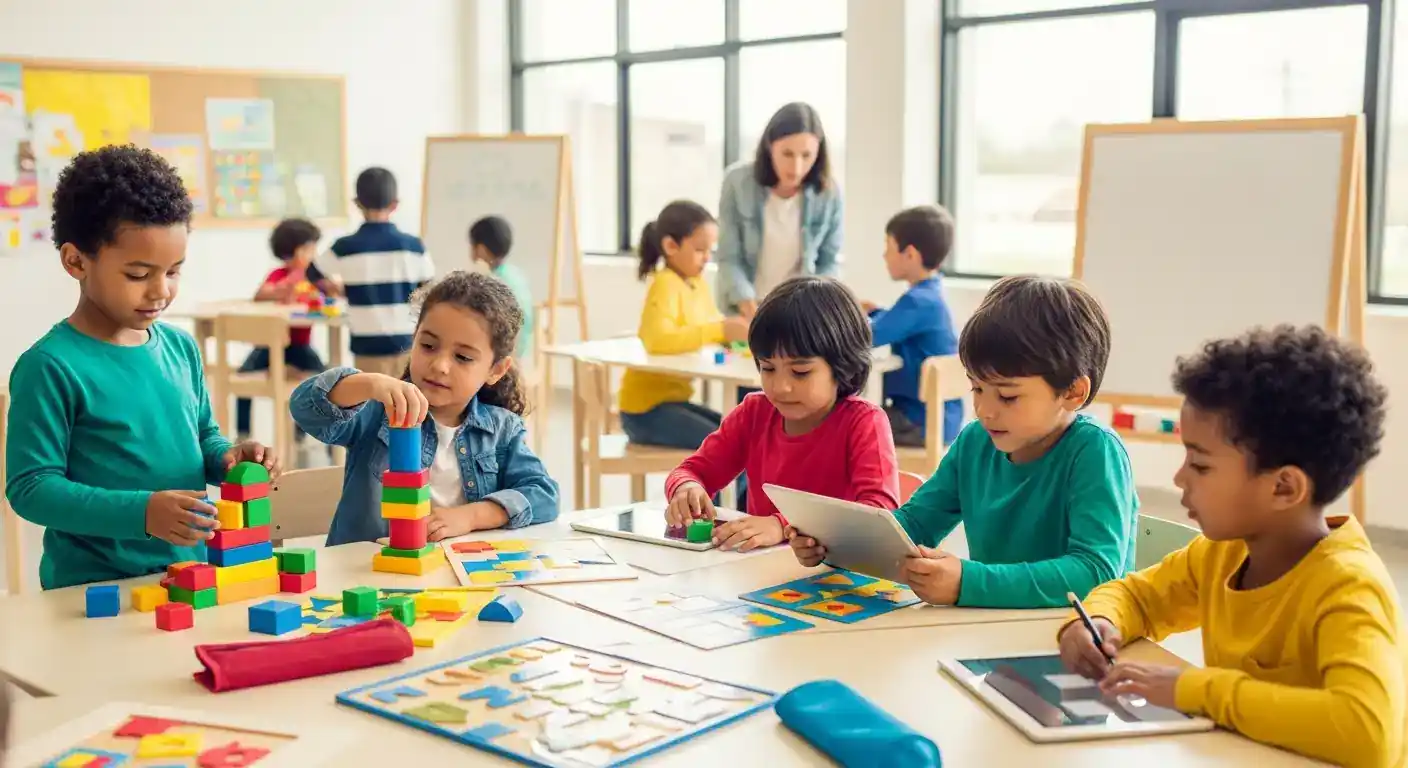
The journey to school readiness is multifaceted, encompassing cognitive, social-emotional, and physical development. Among these, enhancing fine motor skills for school readiness plays a particularly pivotal role. These intricate hand and finger movements are fundamental for a wide array of classroom tasks, from writing and drawing to buttoning coats and manipulating learning tools. A strong foundation in fine motor skills empowers children with confidence and independence, paving the way for a smoother transition into the academic environment. This article delves into practical, engaging activities designed to cultivate these essential abilities in young children, ensuring they are well-prepared for the adventures of school.
Key Points for Enhancing Fine Motor Skills
- Early Intervention: Start activities early to build foundational hand strength and coordination.
- Play-Based Learning: Integrate fine motor tasks into fun, engaging play experiences.
- Variety is Key: Offer diverse activities targeting different muscle groups and skill sets.
- Focus on Process: Emphasize effort and enjoyment over perfect outcomes.
- Connect to Daily Life: Utilize everyday tasks to practice and reinforce skills.
The Foundation of Learning: Understanding Fine Motor Skills for School Readiness
Fine motor skills involve the precise coordination of small muscles, particularly in the hands and fingers, in conjunction with the eyes. These skills are critical for tasks that require dexterity, control, and hand-eye coordination. For young children, mastering these abilities is not just about performing specific actions; it's about building neural pathways and developing the underlying strength and control necessary for complex cognitive tasks. As children prepare for school, their ability to manipulate objects, use tools, and control their movements directly impacts their capacity to engage with academic content and classroom routines.
Developing these skills early contributes significantly to a child's overall self-esteem and independence. When a child can confidently hold a crayon, cut with scissors, or turn pages in a book, they feel more capable and ready to tackle new challenges. This positive self-perception fuels their enthusiasm for learning and reduces potential frustrations in the classroom. Therefore, enhancing fine motor skills for school readiness is an investment in a child's comprehensive developmental trajectory.
Engaging Activities for Developing Fine Motor Dexterity
Fostering fine motor skills doesn't require expensive toys or complex setups; often, the most effective activities are simple, play-based, and readily available. The goal is to make learning fun and allow children to explore and experiment at their own pace.
Creative Arts for Fine Motor Development
Creative arts provide a rich environment for developing fine motor skills, often without children even realizing they are "working." These activities naturally encourage hand-eye coordination, finger strength, and precise manipulation.
- Pencil Grip and Pre-Writing Practice:
- Drawing and Scribbling: Encourage free drawing with various implements like chunky crayons, washable markers, and chalk. This helps develop hand strength and familiarizes children with holding tools. Emphasize large movements first, then smaller details.
- Tracing and Dot-to-Dot: Introduce tracing lines, shapes, and simple letters. Dot-to-dot activities are excellent for controlled pencil movements and visual tracking.
- Shaping with Clay or Dough: Playing with play-doh or modeling clay strengthens hand muscles. Activities like rolling, pinching, squeezing, and cutting dough with child-safe scissors are highly beneficial.
- Cutting with Scissors:
- Start with simple straight lines on paper, progressing to curved lines, shapes, and eventually more intricate designs. Supervision is essential for safety. Learning to cut helps children develop bilateral coordination and strengthens the small muscles of the hand.
- Collage and Gluing:
- Tearing paper into small pieces to create a collage is fantastic for finger strength and coordination. Using glue sticks or squeezing liquid glue carefully enhances control and precision. According to a 2024 study by the Journal of Early Childhood Research, engaging in such tactile art activities significantly boosts bilateral hand coordination and visual motor integration in preschoolers.
Play-Based Learning: Boosting Hand-Eye Coordination
Many everyday play activities naturally contribute to enhancing fine motor skills for school readiness. These activities are often engaging and allow children to develop skills at their own pace, fostering a love for learning through discovery.
- Building with Blocks and Legos:
- Connecting and disconnecting building blocks, especially smaller interlocking bricks like LEGOs, requires significant finger strength and precision. This also promotes problem-solving and spatial reasoning.
- Puzzles and Manipulatives:
- Jigsaw puzzles, pegboards, threading beads, and shape sorters are excellent for developing pincer grasp, hand-eye coordination, and problem-solving skills. Start with chunky pieces and gradually introduce smaller, more complex challenges.
- Sensory Bins with Tools:
- Create sensory bins filled with rice, beans, water beads, or sand. Provide small scoops, tongs, tweezers, and droppers for children to transfer and manipulate objects. This enhances fine motor control and provides rich sensory input. Research published in Child Development Perspectives (2023) highlights how diverse sensory experiences positively impact fine motor development by strengthening neural connections.
Differentiated Strategies and Modern Approaches
Beyond traditional activities, incorporating differentiated strategies and understanding modern trends can further support children with diverse needs and learning styles.
The Role of Nature and Loose Parts Play
One often overlooked yet powerful approach to enhancing fine motor skills for school readiness is through nature-based play and "loose parts." Instead of pre-determined toys, offering natural materials like sticks, stones, leaves, acorns, and shells encourages children to interact, manipulate, and create. This open-ended play fosters:
- Natural Dexterity: Picking up, sorting, stacking, and arranging natural objects requires varying degrees of finger strength and precision, often more nuanced than structured toys.
- Problem-Solving: Children spontaneously use loose parts to build, balance, and design, developing complex motor plans and problem-solving skills.
- Sensory Integration: The diverse textures, weights, and shapes of natural materials offer rich sensory feedback, crucial for motor planning and body awareness. This approach aligns with the growing recognition of the outdoors as a vital learning environment.
Connecting Fine Motor Skills to Executive Functions
Modern educational research increasingly links fine motor proficiency to the development of executive functions – the higher-level cognitive skills needed for planning, focus, and self-regulation. For instance, the act of persistently trying to thread a bead or carefully cutting a complex shape isn't just about finger muscles; it involves:
- Attention and Focus: Sustaining concentration on a detailed task.
- Working Memory: Remembering the steps involved in a sequence (e.g., cut, glue, place).
- Self-Regulation: Managing frustration and continuing despite challenges.
By emphasizing activities that require sustained effort and multi-step processes, we're not only enhancing fine motor skills for school readiness but also simultaneously building crucial cognitive abilities. According to the National Association for the Education of Young Children (NAEYC) in their 2025 guidelines, integrated approaches that combine physical and cognitive challenges are most effective for holistic early childhood development.
Integrating Fine Motor Practice into Daily Routines
Learning isn't confined to playtime. Many everyday tasks provide excellent, practical opportunities for children to hone their fine motor skills.
- Self-Care Activities:
- Buttoning and zipping clothes, snapping fasteners, tying shoelaces, and brushing teeth all require fine motor control. Encourage independence in these tasks.
- Pouring drinks, scooping food, and using utensils at meal times are also great practice.
- Household Chores:
- Helping to set the table, sorting laundry (matching socks!), wiping surfaces with a cloth, and turning pages in a book all contribute to dexterity.
- Creative Play with Everyday Items:
- Using clothespins to hang artwork, sorting small items like buttons or beads, and using eyedroppers to create colorful art with water are simple yet effective.
These routine-based activities not only develop crucial skills but also instill a sense of responsibility and capability. For further insights on how creative play fosters overall development, you might explore articles on /articles/creative-play-benefits-young-learners.
Frequently Asked Questions About Fine Motor Skill Development
What are fine motor skills and why are they crucial for school?
Fine motor skills involve the precise movements of small muscles, especially in the hands and fingers, coordinated with the eyes. They are crucial for school readiness because they enable children to perform essential tasks like holding a pencil for writing, cutting with scissors, turning pages, manipulating small objects, and even dressing themselves. Strong fine motor skills reduce frustration and boost confidence in the classroom, laying a solid foundation for academic success.
How can I tell if my child is struggling with fine motor skills?
Signs of potential struggle include difficulty with tasks like holding a crayon or pencil correctly, cutting along a line, using fasteners on clothing, or manipulating small toys. You might also notice a weak grasp, excessive fatigue during fine motor tasks, or avoiding activities that require dexterity. Observing your child's engagement and ease with these activities can provide valuable insights.
Are there specific activities I should prioritize for my preschooler?
Prioritize activities that offer variety and engage different muscle groups. Key areas include pre-writing activities (drawing, tracing), cutting with child-safe scissors, playdough manipulation, building with blocks, stringing beads, and using sensory bins with tools like tongs. Integrating these into daily routines and making them play-based will ensure consistent engagement and development.
What role do creative arts play in developing fine motor abilities?
Creative arts, such as drawing, painting, sculpting with clay, and crafting, are exceptionally effective for developing fine motor abilities. They naturally encourage hand-eye coordination, finger strength, precise control, and bilateral integration. These activities also foster creativity and self-expression, making skill development enjoyable and engaging for young children without the pressure of "correct" performance. You can find more about the importance of creative arts in early education in our /categories/creative-arts-education section.
Conclusion: Empowering Future Learners
Enhancing fine motor skills for school readiness is a foundational aspect of preparing young children for a successful and confident start to their academic journey. By incorporating a diverse range of engaging, play-based activities into daily routines, parents and educators can significantly impact a child's development. From the simple act of drawing with crayons to the intricate process of building with small blocks, every opportunity to use and refine these small muscles builds strength, dexterity, and confidence.
Remember, the goal is to foster a love for learning through joyful exploration. Encourage experimentation, celebrate effort over perfection, and provide a rich environment where children feel empowered to try, create, and master new skills. Empowering children with robust fine motor skills today equips them with the tools they need to thrive in school and beyond.
Call to Action: What are your favorite activities for building fine motor skills? Share your ideas in the comments below! If you found this article helpful, consider sharing it with other parents and educators. Stay updated with more tips and insights by subscribing to our newsletter.
Extended Reading Suggestions:
- Explore more about the developmental benefits of play in
/articles/creative-play-benefits-young-learners. - Delve into how fine motor skills connect with early literacy in
/articles/early-literacy-skills-development-preschoolers. - Discover the profound impact of sensory experiences on development at
/articles/the-importance-of-sensory-play-in-early-childhood.
Update Frequency Recommendation: This content should be reviewed and updated annually to ensure the inclusion of the latest research and best practices in early childhood education.
Expandable Related Subtopics:
- The Connection Between Core Strength and Fine Motor Development.
- Assessing and Addressing Fine Motor Delays in Preschoolers.
- Utilizing Technology (e.g., educational apps) for Fine Motor Skill Enhancement.