Early Literacy Development: Engaging Activities for Preschoolers
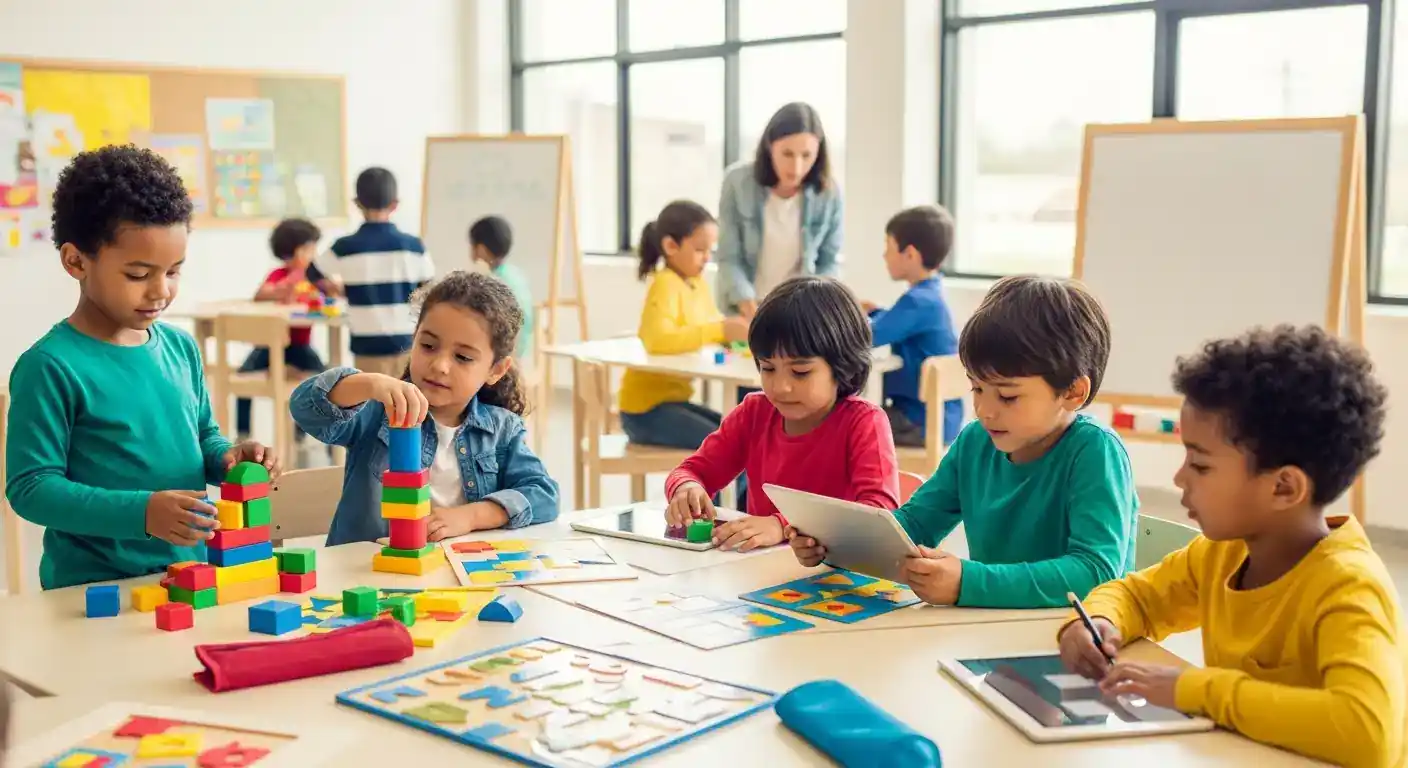
Early Literacy Development: Engaging Activities for Preschoolers
Fostering early literacy development in preschoolers is one of the most impactful investments parents and educators can make in a child's future. It's about much more than just learning to read; it encompasses a broad range of skills that lay the foundation for successful communication, comprehension, and academic achievement. By introducing engaging activities early on, we can ignite a lifelong love for learning and equip children with the tools they need to navigate a complex world. This article explores practical, fun, and effective strategies to build these crucial pre-reading skills, ensuring every preschooler has the opportunity to thrive.
Key Points for Early Literacy Development:
- Play-Based Learning: Integrate literacy into everyday play for natural skill acquisition.
- Phonological Awareness: Focus on sounds in language, a strong predictor of reading success.
- Vocabulary Expansion: Engage in rich conversations and introduce new words regularly.
- Print Awareness: Help children understand that print carries meaning and how books work.
- Shared Reading: Make reading together a joyful, interactive experience.
Understanding Early Literacy Development in Preschoolers
Early literacy is a comprehensive term that describes the skills children develop before they learn to read and write conventionally. These foundational skills are critical for future academic success and cognitive growth. It's a journey that begins long before a child enters kindergarten, often starting in infancy through interactions with language and print.
What is Early Literacy?
Early literacy isn't about teaching a three-year-old to read chapter books. Instead, it encompasses six key pre-reading skills: print awareness, print motivation, vocabulary, narrative skills, phonological awareness, and letter knowledge. Each of these components plays a vital role in preparing a child for formal reading instruction. For instance, understanding that words are made of sounds (phonological awareness) is a stronger predictor of reading success than simply knowing the alphabet.
The Pillars of Pre-Reading Skills
Developing strong pre-reading skills involves nurturing several interconnected areas. Print awareness means understanding that print conveys a message and knowing how to hold a book. Print motivation is simply a child's enjoyment of books and reading. Vocabulary refers to the words a child knows and uses. Narrative skills involve the ability to describe things and tell stories. Phonological awareness is the ability to hear and manipulate the sounds in spoken words. Finally, letter knowledge is recognizing letters and understanding their names and sounds.
Playful Approaches to Fostering Early Literacy
The most effective way to encourage early literacy development in preschoolers is through play. Children learn best when they are engaged, having fun, and exploring at their own pace. Integrating literacy into play makes learning feel natural and enjoyable, rather than a chore.
Interactive Storytelling and Reading
Shared reading experiences are paramount. Don't just read to your child; read with them. Point to words as you read, ask questions about the story and pictures, and encourage them to predict what happens next. Dialogic reading, where adults ask open-ended questions and engage children in conversations about the book, significantly boosts vocabulary and comprehension. A 2024 report by the National Association for the Education of Young Children (NAEYC) emphasized the profound impact of responsive, interactive reading on language acquisition.
Alphabet and Phonological Awareness Games
Games are excellent tools for building phonological awareness, a core component of preschool literacy activities.
- "I Spy" with Sounds: Instead of "I spy with my little eye something green," try "I spy with my little eye something that starts with the /b/ sound."
- Rhyming Games: Sing rhyming songs, read rhyming books, and play games where you say a word and ask your child to come up with words that rhyme.
- Clapping Syllables: Clap out the syllables in names or common words (e.g., "ap-ple" has two claps). This helps children hear the distinct parts of words.
Creative Writing and Drawing
Encourage preschoolers to "write" and draw, even if it's just scribbles. Provide paper, crayons, and markers, and ask them to tell you about their drawings. Write down their stories verbatim next to their pictures. This helps them understand that spoken words can be written down and read. Focus on the process and their ideas, not perfect spelling or handwriting at this stage. This simple act builds print awareness and fosters a positive attitude towards writing.
Building Vocabulary and Language Skills Through Everyday Interactions
Everyday conversations and experiences are rich opportunities for language skills preschoolers need to develop. The more words a child hears and uses, the stronger their vocabulary and comprehension will become.
Conversational Learning
Engage your child in frequent, meaningful conversations. Ask open-ended questions that require more than a "yes" or "no" answer. Describe what you're doing, seeing, and thinking. For instance, while cooking, talk about the ingredients, their textures, and where they come from. This constant exposure to language in context is invaluable. Readers interested in fostering creativity can find additional resources in our section on imaginative play.
Exploring the World with Words
Turn outings into vocabulary-building adventures. At the grocery store, name fruits and vegetables, discuss their colors and shapes. At the park, talk about the different parts of the playground and the actions involved (swinging, sliding, climbing). Introduce new and descriptive words, such as "magnificent," "gigantic," or "sparkling," and explain their meanings simply. Research from a 2023 study in the Journal of Early Childhood Literacy indicated a direct correlation between early vocabulary exposure and later reading comprehension.
Creating a Literacy-Rich Environment at Home
A home environment that values and promotes literacy is crucial for early literacy development. It doesn't require expensive materials, just thoughtful integration of books and print into daily life.
Dedicated Reading Nooks
Create a cozy, inviting space where books are easily accessible. This could be a small corner with a comfy cushion and a bookshelf. The mere presence of a dedicated reading nook signals the importance and enjoyment of books. Make it a special place for shared reading time and independent exploration.
Accessible Materials
Ensure books, magazines, and writing tools are always within reach. Rotate books regularly to keep interest high. Include a variety of materials: picture books, board books, non-fiction books about topics your child loves, and even simple comics. Seeing adults read and write also models positive literacy behaviors. For more insights into cognitive development, explore our articles on preschool learning milestones.
Expert Insights on Early Literacy Success
Drawing on current research and educational best practices can significantly enhance our approach to early literacy development. Understanding the why behind certain strategies empowers parents and educators.
The Power of Play-Based Learning
Modern educational philosophy strongly advocates for play-based learning, especially for preschoolers. Play is not just recreation; it's how young children learn about the world, develop social skills, and build cognitive abilities. Integrating literacy into play, such as setting up a "pretend library" or playing "restaurant" where children write menus, makes learning authentic and deeply engaging. According to the Reading Rockets initiative, updated in late 2024, play-based literacy activities are more effective than direct instruction for very young children.
Monitoring Progress and Adapting Activities
While formal assessments aren't necessary for preschoolers, observing your child's engagement and understanding is key. Notice if they are showing interest in letters, trying to "read" familiar books, or enjoying rhyming games. If a particular activity isn't working, don't force it. Adapt and try different approaches. The goal is to keep learning fun and positive, fostering a sense of curiosity rather than pressure. A 2024 study published by