Developing Social Skills in Preschoolers: Effective Teaching Strategies
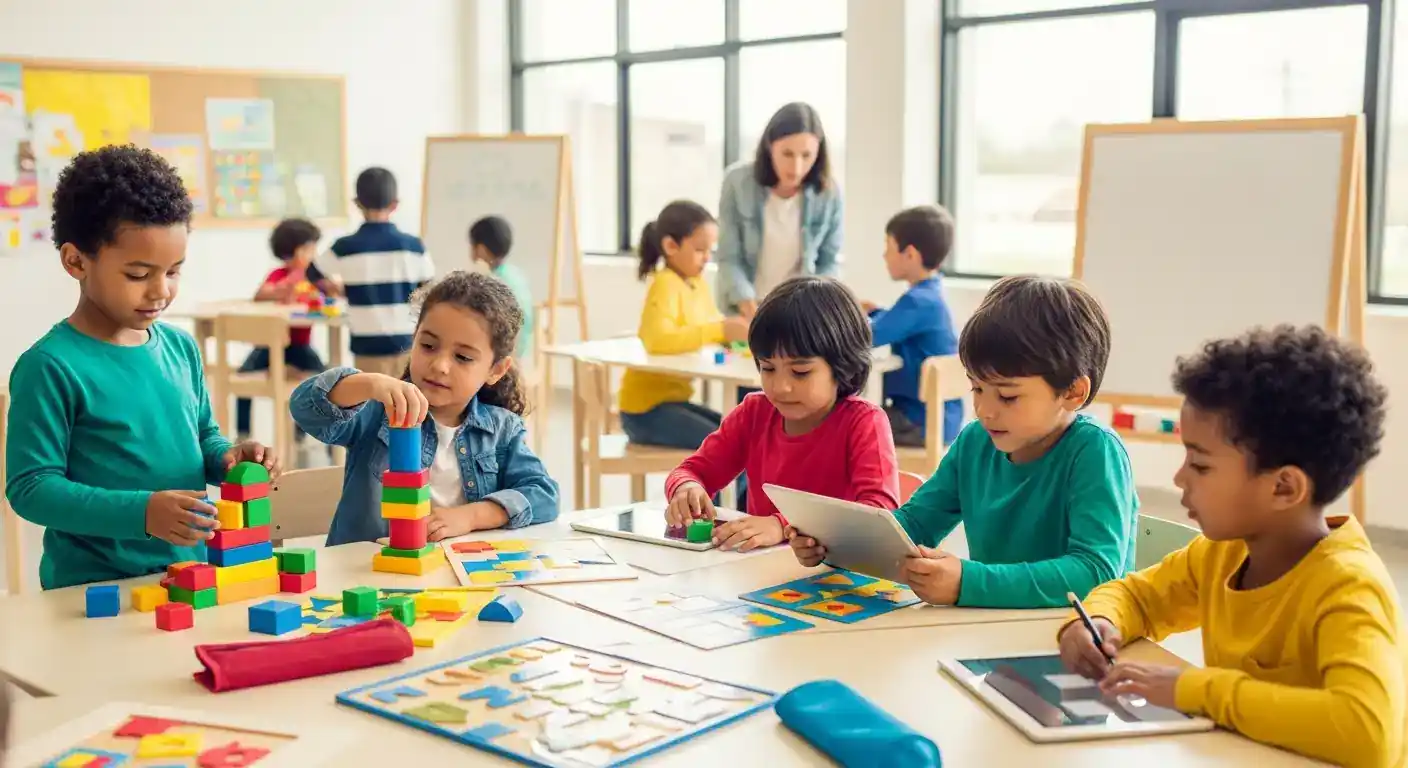
Social skills are crucial for preschoolers' success in school and life. Developing social skills in preschoolers requires intentional teaching strategies and consistent practice. This article provides effective strategies and activities to help preschoolers build strong social foundations.
Key Points:
- Structured play enhances social interaction.
- Modeling positive behavior is crucial.
- Emotional literacy supports social development.
- Assessment tracks progress and informs instruction.
Developing Social Skills: Importance in Preschool
Developing social skills is a cornerstone of early childhood education. These skills enable children to navigate social situations, build relationships, and manage emotions effectively. Preschool provides a crucial environment for fostering these skills through structured activities and interactions. Intentional teaching strategies are vital for equipping preschoolers with the necessary social tools.
Strategies for Developing Social Skills in Preschoolers
Fostering Cooperation through Play
Play-based learning offers rich opportunities for social skill development. Cooperative play activities, such as building blocks together or engaging in dramatic play scenarios, encourage sharing, turn-taking, and problem-solving. Providing clear expectations and gentle guidance helps children learn to navigate social dynamics within the play environment.
Modeling Positive Social Interactions
Preschool teachers serve as vital role models. Modeling appropriate social behaviors, such as active listening, using kind words, and expressing emotions constructively, demonstrates desired interactions for children. Regularly highlighting these behaviors reinforces their importance. For example, narrating a positive interaction like, "Look how Sarah shared her toy with Michael. That was very kind," reinforces the desired behavior.
Building Emotional Literacy
Understanding and managing emotions are essential components of social competence. Activities focused on identifying and labeling emotions, such as reading books about feelings or using emotion charts, help children develop emotional literacy. This, in turn, empowers them to navigate social situations with greater awareness and control. A recent study published in the Early Childhood Education Journal (2024) highlighted the connection between emotional literacy and improved social interactions in preschool children.
Assessing Social Skills Development in Preschool
Regular assessment provides valuable insights into children's social progress. Observational assessments, anecdotal notes, and checklists can track specific skills, like sharing, turn-taking, and conflict resolution. This data informs instructional decisions and allows teachers to tailor activities to meet individual needs. Targeted interventions can then be implemented for children requiring additional support. The National Association for the Education of Young Children (NAEYC, 2023) offers resources for effective assessment strategies in early childhood settings.
Differentiated Approaches to Social Skills Development
Two key areas often overlooked in social skills development are:
Incorporating Cultural Sensitivity: Recognizing and valuing diverse cultural backgrounds is paramount. Teaching children about different social norms and customs fosters respect and inclusivity within the classroom community. This also promotes cross-cultural understanding and prepares children for a diverse world.
Utilizing Technology Mindfully: Digital tools can supplement traditional methods. Interactive games and apps can engage children in practicing social skills. However, it's crucial to balance screen time with real-world interactions and ensure technology use enhances, rather than replaces, face-to-face communication.
Internal Linking Strategy:
- Anchor Text: emotional literacy, Target Page Type: related article, Link: /articles/building-emotional-intelligence-in-preschoolers
- Anchor Text: observational assessments, Target Page Type: related article, Link: /articles/effective-observation-techniques-in-early-childhood
- Anchor Text: Assessment and Progress Tracking, Target Page Type: category, Link: /categories/assessment-progress-tracking
Frequently Asked Questions about Developing Social Skills in Preschoolers
How can I encourage shy preschoolers to participate in social activities?
Start by creating a safe and supportive classroom environment. Offer choices and allow shy children to participate at their own pace. Pair them with supportive peers and provide opportunities for one-on-one interactions before transitioning to larger group activities. Gentle encouragement and positive reinforcement can build their confidence over time.What are some common challenges in developing social skills in preschool?
Common challenges include difficulty sharing, managing impulsivity, and resolving conflicts. Some children may struggle with understanding social cues or expressing their needs effectively. Individualized support and consistent practice are crucial for addressing these challenges.How can parents support social skills development at home?
Parents can support social skills development by providing opportunities for playdates, modeling positive social interactions, and discussing social situations with their children. Reading books about social skills and practicing turn-taking during family activities can also be beneficial.How can I assess if a child needs additional support for social skills development?
Consistent observation and documentation are key. If a child consistently struggles with social interactions, has difficulty making friends, or exhibits challenging behaviors, it may be beneficial to consult with a specialist, such as a school psychologist or early intervention specialist, for further assessment and support.Conclusion: Cultivating Social Success
Developing social skills in preschoolers is an ongoing process that requires patience, consistency, and a variety of teaching strategies. By fostering a supportive learning environment, utilizing engaging activities, and implementing regular assessment, educators and parents can equip children with the essential social skills necessary for success in school and beyond. Share your experiences and strategies in the comments below! Subscribe to our newsletter for more valuable insights on early childhood education. For further reading, explore the resources available from the Center on the Social and Emotional Foundations for Early Learning (CSEFEL).
Future Expansion Topics:
- The role of play in developing social-emotional learning.
- Strategies for addressing challenging behaviors in the preschool classroom.
- The impact of family engagement on social skills development.