Designing Effective Play-Based Learning Environments for Optimal Child Engagement
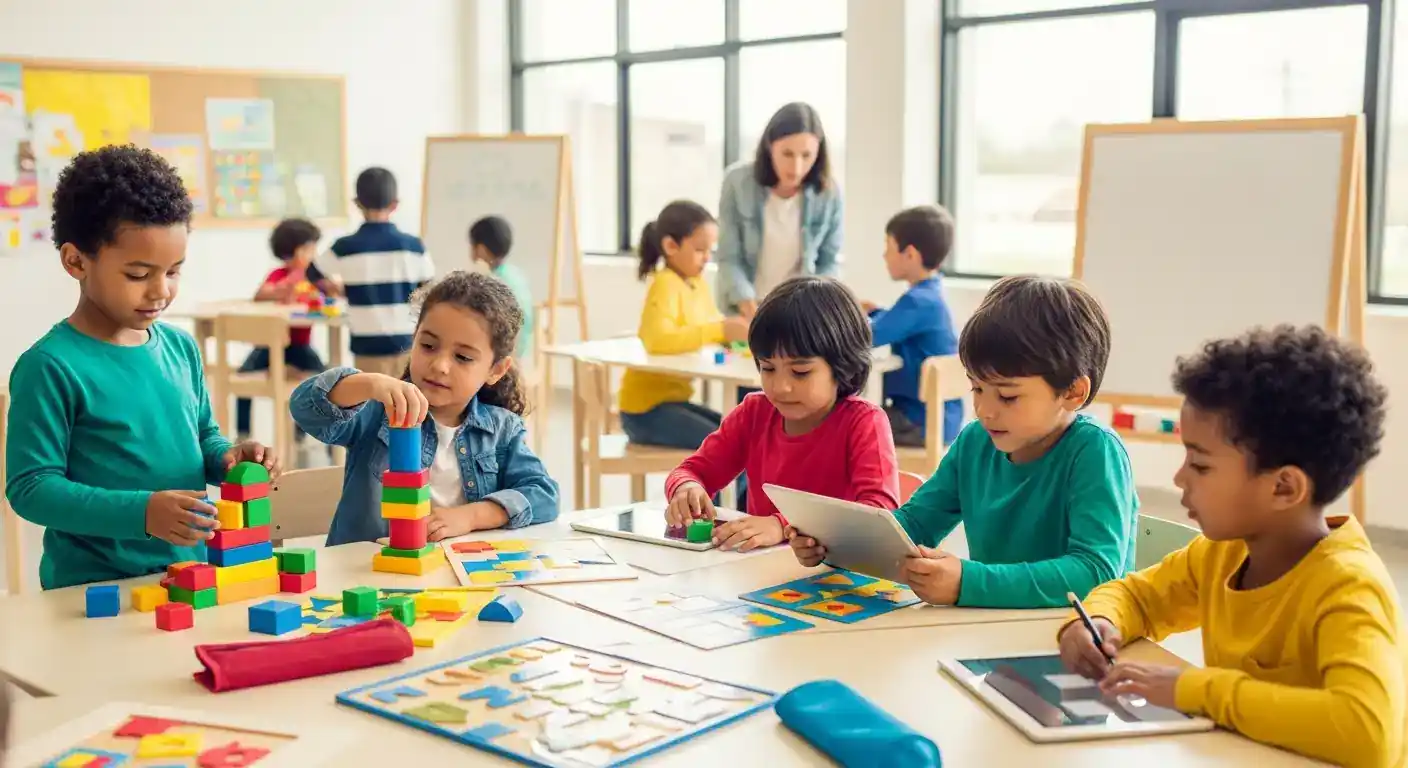
Designing Effective Play-Based Learning Environments for Optimal Child Engagement
Creating spaces where children can learn and thrive through play is more than just arranging toys; it's about crafting environments that actively invite curiosity, exploration, and development. Effective play-based learning environments are intentionally designed to stimulate cognitive, social, emotional, and physical growth, ensuring children are deeply engaged and learning meaningfully. This article will guide you through the essential principles and innovative strategies for designing effective play-based learning environments for optimal child engagement, transforming passive spaces into dynamic arenas of discovery.
Key Points:
- Intentional Design: Environments should be purpose-built to foster specific developmental outcomes.
- Child-Centered Approach: Spaces must empower children with choices and autonomy.
- Sensory & Open-Ended Materials: Integrate diverse textures, sounds, and adaptable loose parts.
- Flexible & Adaptable Zones: Design areas that can evolve with children's interests and developmental stages.
- Safety & Accessibility: Prioritize inclusive design to ensure all children can participate securely.
Understanding the Core Principles of Play-Based Learning Environments
Play-based learning is a pedagogical approach that recognizes play as a child's natural mode of learning and development. An effective play-based learning environment is one that facilitates this innate drive, offering rich opportunities for children to explore, discover, create, and problem-solve. When children are deeply engaged, their learning becomes more profound and lasting. These environments are characterized by a balance of structure and freedom, allowing for both guided and child-initiated activities.
The benefits extend across all developmental domains, making it a cornerstone of early childhood education. Children develop critical thinking skills as they experiment with cause and effect, enhance their social competencies through collaborative play, and build resilience by navigating challenges in a supportive setting. For further insights into foundational learning activities, explore our collection of Cognitive Development Activities.
Child-Centered Design: Fostering Autonomy and Exploration
At the heart of designing effective play-based learning environments is a child-centered philosophy. This means that the space is designed from the child's perspective, considering their size, interests, and developmental capabilities. Providing choices in materials and activities empowers children, fostering a sense of ownership and autonomy. When children feel they have agency over their learning, their engagement naturally deepens.
This approach involves creating accessible storage for materials, allowing children to select and return items independently. Low shelving, visible labels (often with pictures), and clear pathways encourage self-directed exploration. The layout should subtly guide children without dictating their play, promoting independent decision-making and problem-solving.
Key Elements for Designing Engaging Play Spaces
Creating truly engaging play spaces requires thoughtful consideration of several interconnected elements. These components work together to provide a holistic and stimulating experience for every child.
Sensory Richness and Multi-Modal Experiences
An engaging play environment excites the senses. Incorporate a variety of textures (rough, smooth, soft), sounds (musical instruments, natural sounds), sights (vibrant colors, natural light, mirrors), and even safe scents (herbs, playdough). Providing multi-modal experiences helps children to process information in different ways and caters to diverse learning styles. Sand and water tables, exploration bins with natural elements, and construction areas with varied materials are excellent examples.
For instance, a sensory corner might include fabric swatches, crinkly paper, smooth stones, and textured balls. The goal is to provide a constant stream of new sensory input, which is crucial for brain development. To understand more about how specific sensory play aids early development, you might find our article on Understanding the Benefits of Sensory Play for Toddlers particularly useful.
Incorporating Open-Ended Materials and Loose Parts
Open-ended materials and "loose parts" are fundamental to optimal child engagement. These are items that can be used in countless ways, without a predetermined purpose. Think blocks, fabric scraps, cardboard tubes, natural objects like pinecones and shells, or even recycled items. They encourage creativity, imagination, and problem-solving, as children invent their own games, structures, and narratives.
Unlike single-use toys, loose parts evolve with the child's imagination, offering endless possibilities for manipulation and transformation. This stimulates cognitive flexibility and divergent thinking. Providing a diverse collection of loose parts encourages children to explore different concepts and develop unique solutions. Dive deeper into how to spark imaginative play with our article on Fostering Creativity Through Open-Ended Play.
Defining Zones for Different Play Types
To prevent overstimulation and facilitate diverse forms of play, an effective learning environment should be divided into distinct zones. These might include:
- Active Zones: For gross motor activities like climbing, running, or building large structures.
- Quiet/Cozy Zones: Spaces for reading, calming activities, or solitary play.
- Creative Zones: Areas for art, crafts, and messy play.
- Dramatic Play Zones: Designated spaces for role-playing, dress-up, and imaginative scenarios (e.g., a "home" corner, a "shop").
- Construction Zones: For building with blocks, LEGOs, or other construction materials.
Clear boundaries, often indicated by furniture arrangement, rugs, or shelving, help children understand the purpose of each area and move between them purposefully.
Neuroscience-Backed Design Principles for Optimal Child Engagement
Modern neuroscience offers profound insights into how children learn and develop, directly informing how we should design play environments. Research shows that environments that are novel, safe, and appropriately challenging stimulate neural pathways crucial for learning and memory. Environments that foster a sense of security while offering opportunities for exploration are paramount for cognitive development.
For instance, studies from the University of London's Child Development Unit (2024) indicate that varying levels of sensory input, coupled with predictable routines, help regulate children's emotional responses and enhance their ability to focus. This suggests incorporating elements that allow children to modulate their sensory experiences, such as dimmer switches, cozy corners, or sound-dampening materials. Designing for optimal child engagement means understanding the brain's need for both stimulation and calm.
The Role of Flexible and Adaptable Play Environments
A truly effective play-based learning environment is not static; it's dynamic and adaptable. Children's interests evolve rapidly, and their developmental stages change. Rigid, unchanging spaces can quickly lose their appeal and effectiveness. Instead, designers should prioritize flexibility, creating environments that can be easily reconfigured, reorganized, and refreshed.
This includes using movable furniture, modular play structures, and easily accessible storage that allows educators and even children to change the setup. For example, a dramatic play area could transform from a kitchen to a doctor's office with simple prop changes. A report by the Global Institute for Play (2023) advocates for "responsive design," where the environment actively reflects and supports the emergent interests and inquiries of the children using it. This adaptability ensures that the environment remains fresh, stimulating, and continuously aligned with the children's current developmental needs, thereby sustaining high levels of engagement.
Integrating Safety and Accessibility in Play-Based Learning Environments
While engagement and learning are primary goals, safety and accessibility are non-negotiable. An environment cannot be truly effective if it poses risks or excludes any child. All materials and equipment must be age-appropriate, non-toxic, and regularly maintained. Careful consideration of traffic flow, pinch points, and fall zones is crucial.
Accessibility goes beyond ramps; it encompasses inclusive design that ensures all children, regardless of physical abilities, sensory processing differences, or developmental needs, can fully participate. This means offering a range of ways to interact with materials, ensuring pathways are wide enough for mobility aids, and providing quiet spaces for those who may be overstimulated. Guidelines from the World Health Organization (updated 2025) on child-friendly spaces stress the importance of universal design principles, emphasizing that an inclusive environment enriches the experience for every child.
Frequently Asked Questions (FAQ)
What is play-based learning and why is it important?
Play-based learning is an educational approach where children learn through engaging in play. It's crucial because it harnesses a child's natural curiosity and enthusiasm, fostering holistic development across cognitive, social, emotional, and physical domains. Through play, children develop critical problem-solving skills, creativity, resilience, and learn to interact effectively with their peers, laying a strong foundation for future academic success and well-being.
How do you measure engagement in a play environment?
Measuring engagement involves observing children's sustained attention, active participation, and demonstration of joy or focused concentration during play. Look for indicators such as self-initiated exploration, collaborative interactions, persistence in tasks, imaginative play, and verbal or non-verbal expressions of interest. Educators often use anecdotal records, checklists, and video observations to assess the quality and depth of engagement in play-based learning environments.
What are common mistakes to avoid when designing these spaces?
Common mistakes include overcrowding the space, providing too many single-purpose toys, neglecting natural elements, and failing to incorporate flexible or adaptable components. Another error is designing solely for aesthetics without considering functionality or a child's perspective. Overly prescriptive environments that leave no room for child-led initiatives can also stifle creativity and reduce engagement. It's essential to prioritize open-endedness and child agency.
Can effective play-based learning environments be created on a budget?
Absolutely. Creating effective play-based learning environments doesn't require expensive equipment. Focus on sourcing open-ended, natural, and recycled materials like cardboard boxes, fabric scraps, pinecones, stones, and old tires. Utilize existing furniture creatively, and invest time in thoughtful organization and arrangement rather than costly purchases. Community donations and DIY projects can also significantly reduce costs while enhancing uniqueness.
Continue the Journey of Learning and Play
Designing effective play-based learning environments for optimal child engagement is an ongoing, creative process that profoundly impacts children's development. By integrating intentional design, child-centered principles, and dynamic elements, we can create spaces where every child feels empowered to explore, discover, and learn. Remember, the environment itself is a powerful teacher.
We encourage you to share your experiences and insights on creating engaging play spaces in the comments below! What innovations have you implemented? Don't forget to subscribe for more articles on early childhood education and developmental strategies.
Extended Reading Suggestions:
- Explore innovative outdoor classroom designs.
- Deep dive into the benefits of incorporating natural elements into indoor play spaces.
- Learn about digital play integration in early childhood settings.