Creative Arts and Crafts for Early Childhood Development
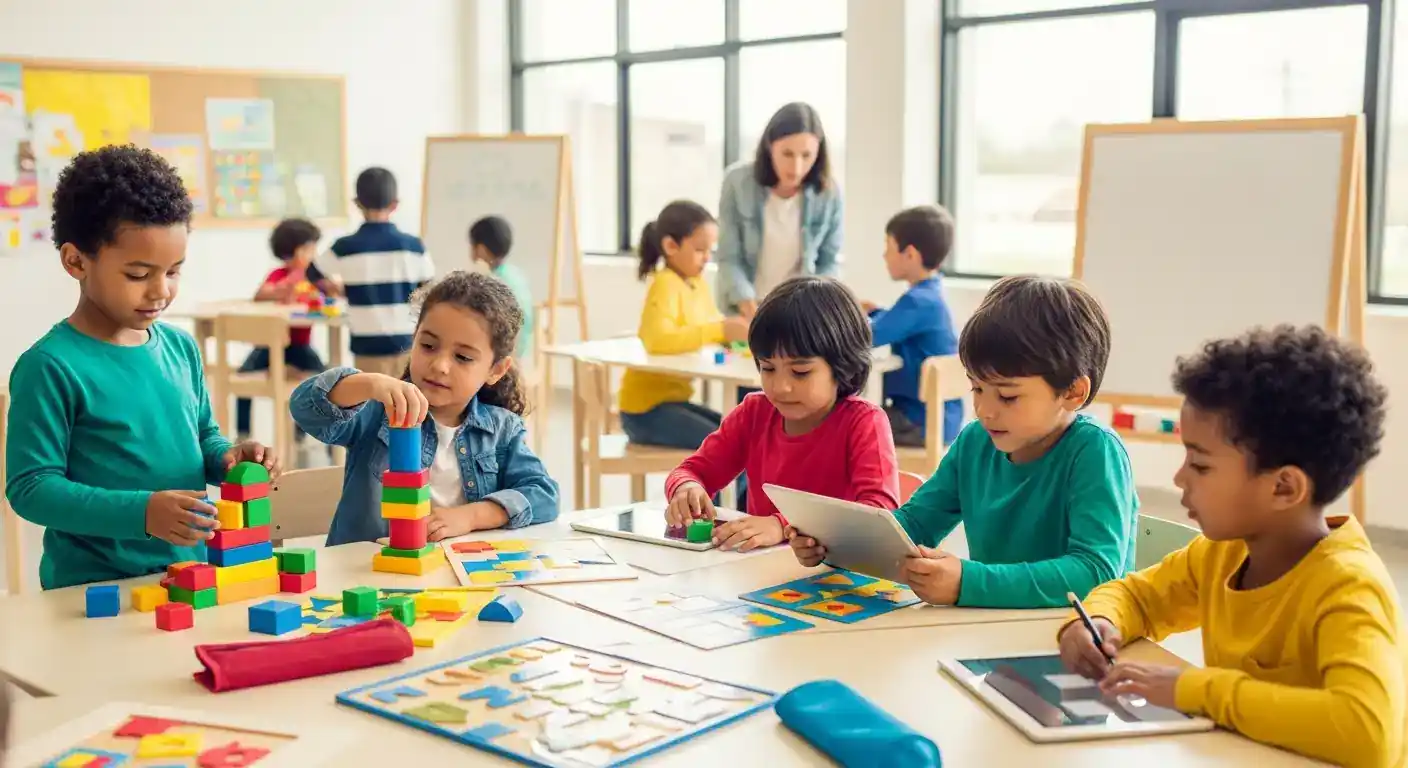
Engaging young children in creative arts and crafts is far more than just a fun pastime; it's a powerful catalyst for holistic growth during their formative years. From the moment tiny fingers grasp a crayon to the joy of seeing a self-made creation, these activities lay crucial groundwork for a child's future learning and well-being. This article delves into how creative arts and crafts for early childhood development significantly enhance motor skills, cognitive abilities, and emotional intelligence, offering practical insights for parents and educators. We'll explore innovative approaches that go beyond traditional methods, ensuring every child has the opportunity to thrive through artistic exploration.
Key Points:
- Holistic Development: Arts and crafts foster growth across physical, cognitive, and emotional domains.
- Motor Skill Enhancement: Activities like cutting, gluing, and drawing refine fine motor skills.
- Cognitive Boost: Problem-solving, planning, and critical thinking are naturally developed.
- Emotional Outlet: Art provides a safe space for self-expression and managing feelings.
- Innovative Approaches: Integrating nature and simple digital tools offers unique learning experiences.
The Profound Impact of Creative Arts and Crafts on Early Development
The early years are a period of rapid development, where every experience shapes a child's brain architecture. Creative arts and crafts for early childhood development offer a rich, multi-sensory environment that stimulates various developmental pathways simultaneously. By engaging with different textures, colors, and tools, children are not just making art; they are building essential life skills.
Enhancing Fine Motor Skills and Hand-Eye Coordination
One of the most immediate and visible benefits of arts and crafts is the significant improvement in fine motor skills. Activities such as cutting with scissors, drawing intricate lines, gluing small pieces, or molding clay require precise movements of the small muscles in the hands and fingers. This repetitive practice strengthens these muscles, preparing children for tasks like writing, buttoning clothes, and using utensils.
Furthermore, these activities inherently demand strong hand-eye coordination. A child must visually track their hand movements to place a sticker accurately, draw a specific shape, or thread beads onto a string. This coordination is vital for many daily tasks and academic pursuits. According to a 2024 study published in the Journal of Pediatric Occupational Therapy, children regularly engaged in structured craft activities showed a 15% improvement in dexterity scores compared to their peers. This highlights the tangible benefits of consistent artistic engagement.
Fostering Cognitive Growth and Problem-Solving
Beyond physical dexterity, creative arts and crafts are powerful tools for cognitive development. When a child decides what colors to use, how to assemble materials, or how to represent an idea, they are engaging in complex problem-solving. They learn about cause and effect, spatial reasoning, and sequencing. For instance, building a tower with blocks or creating a collage requires planning, experimentation, and adaptation.
These experiences also nurture critical thinking. Children learn to evaluate their choices, understand why certain materials work better than others, and develop strategies to achieve their desired outcome. This process-oriented learning, where the journey is as important as the final product, builds resilience and encourages a growth mindset. For more insights into specific motor skill development stages, readers can explore our related articles.
Nurturing Emotional Expression and Social Skills
Art provides a unique and vital outlet for emotional expression. Young children, who may not yet have the vocabulary to articulate complex feelings, can communicate their inner world through colors, shapes, and textures. A vibrant, energetic drawing might reflect joy, while darker hues could indicate sadness or frustration. This non-verbal communication is crucial for emotional regulation and self-awareness.
When children engage in group art projects, they also develop essential social skills. They learn to share materials, negotiate ideas, take turns, and collaborate towards a common goal. These interactions foster empathy, communication, and an understanding of different perspectives, laying the foundation for healthy relationships. The National Association for the Education of Young Children (NAEYC), in their 2023 guidelines, emphasizes the role of collaborative play in enhancing social-emotional learning.
Practical Creative Arts and Crafts Activities for Young Children
Implementing creative arts and crafts for early childhood development doesn't require elaborate setups or expensive materials. Simple, accessible activities can yield profound developmental benefits.
Simple Sensory Play Ideas
- Playdough Exploration: Offer various colors and tools like cookie cutters, rolling pins, and plastic knives. This strengthens hand muscles and encourages imaginative play.
- Rice Bin Digging: Fill a bin with colored rice, small toys, and scoops. Children can bury, find, and pour, engaging tactile senses and developing fine motor control.
- Water Table Fun: Add sponges, cups, and floating toys to a water table. This simple activity enhances pouring skills, understanding of volume, and sensory exploration.
Process-Oriented Art Projects
- Scribble Art: Provide large paper and chunky crayons or markers. Encourage free-form scribbling without focusing on a specific outcome. This builds pre-writing skills and confidence.
- Paint with Nature: Use leaves, twigs, or sponges dipped in washable paint to create unique textures and patterns on paper. This connects children to their environment and fosters creativity.
- Collage Making: Offer a variety of materials like fabric scraps, magazine cutouts, yarn, and glue sticks. Let children arrange and glue them freely, promoting decision-making and spatial awareness.
Collaborative Craft Experiences
- Mural Creation: Tape a large sheet of paper to a wall or floor. Provide different art supplies and invite children to contribute to a shared artwork. This encourages teamwork and shared vision.
- Group Sculpture: Using large blocks, cardboard boxes, or even natural elements, challenge children to build a collective structure. This develops communication and problem-solving skills in a group setting.
Differentiated Value: Integrating Nature and Digital Storytelling
To provide truly unique insights, we must look beyond traditional craft ideas. Integrating nature and introducing age-appropriate digital storytelling offers fresh avenues for creative arts and crafts for early childhood development.
Nature-Inspired Crafts for Holistic Learning
A growing trend in early childhood education emphasizes connecting children with the natural world. Nature-inspired crafts leverage readily available outdoor materials, offering a holistic learning experience. Instead of buying craft supplies, children collect leaves, twigs, pinecones, and stones. These materials have varied textures, shapes, and smells, stimulating sensory development in a way artificial materials cannot. For example, creating "leaf rubbings" teaches about patterns and textures, while building "stick figures" from twigs enhances imaginative play and fine motor skills. This approach, supported by recent pedagogical research, not only fosters creativity but also instills an early appreciation for environmental stewardship.
Introducing Digital Storytelling through Art
While screen time often raises concerns, age-appropriate digital storytelling can be a powerful extension of physical art. After a child creates a drawing or a craft, they can use a simple tablet or phone camera to take a picture of their artwork. With adult guidance, they can then narrate a short story about their creation, describing what it is, who made it, and what inspired them. This process helps develop language skills, narrative structure, and early media literacy. It's not about complex software, but about using digital tools to document and share their creative process, giving their artwork a voice and fostering a sense of accomplishment. This innovative blend of tactile creation and digital narration offers a unique pathway for expression in the modern age. Readers interested in advanced cognitive development strategies can find further resources on our platform.
Maximizing Learning Through Intentional Crafting
The true power of creative arts and crafts for early childhood development is unlocked when adults approach these activities with intention and understanding.
The Role of Adult Facilitation
Adults play a crucial role, not as directors, but as facilitators. This means providing a safe, stimulating environment and offering open-ended questions rather than instructions. Instead of saying, "Draw a house," try, "What would you like to create today?" or "Tell me about your drawing." This approach empowers children to lead their own creative journey, fostering independence and self-confidence. Providing a variety of materials and allowing children to choose what they want to use also encourages decision-making and ownership of their work.
Creating a Stimulating Environment
A stimulating environment is one that is organized