Creating a Stimulating Learning Environment for Infants and Toddlers
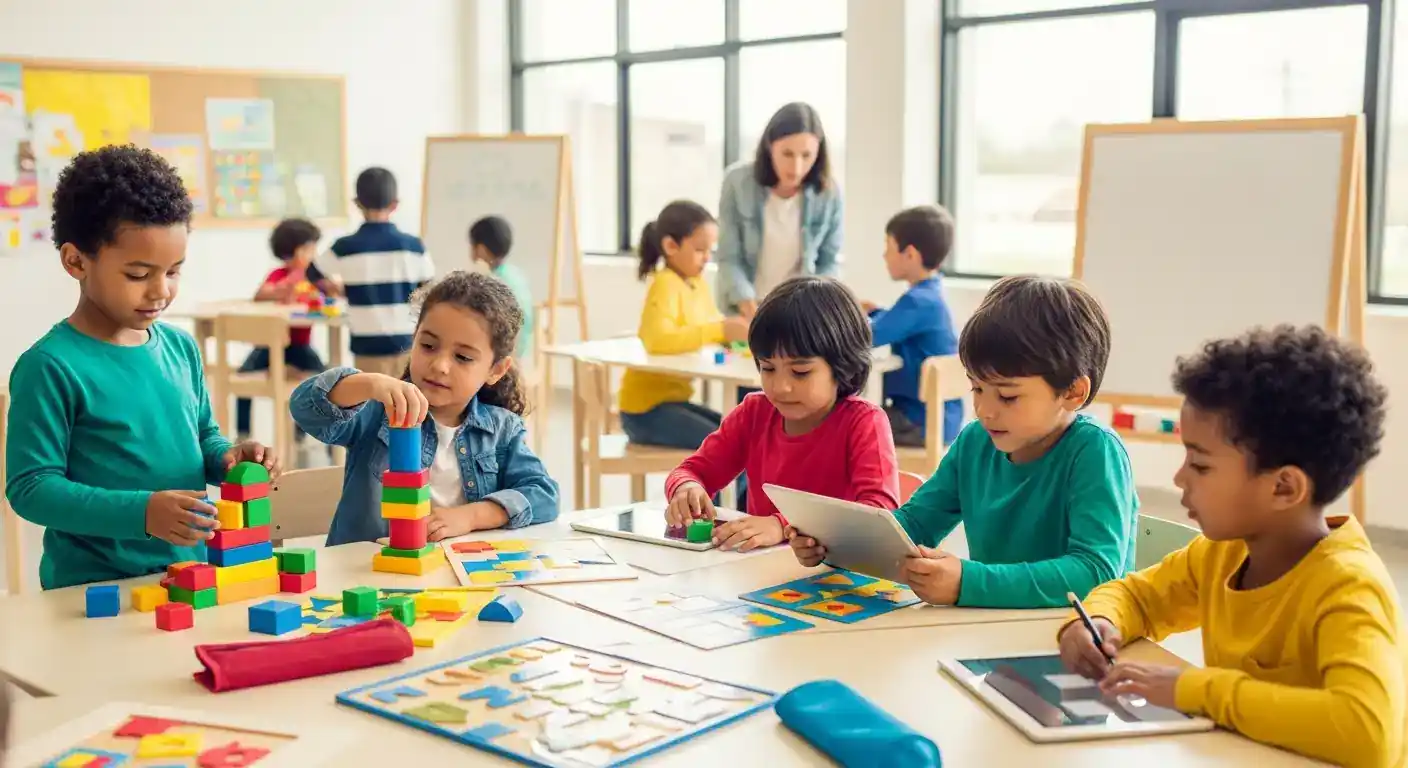
Creating a Stimulating Learning Environment for Infants and Toddlers: A Foundation for Growth
The early years of life are a period of incredible growth and development, laying the groundwork for all future learning. Creating a stimulating learning environment for infants and toddlers is not just about providing toys; it's about crafting a rich, responsive, and safe space that nurtures every aspect of a child's development. From cognitive leaps to emotional intelligence, the environment plays a pivotal role in shaping young minds. This article explores practical strategies and evidence-based approaches to design spaces that encourage curiosity, exploration, and a lifelong love of learning.
Key Points for a Stimulating Learning Environment:
- Safety First: Ensure all spaces are child-proofed and secure.
- Sensory Richness: Offer diverse textures, sounds, and visual stimuli.
- Responsive Interactions: Prioritize warm, consistent adult-child engagement.
- Freedom to Explore: Design areas that encourage independent movement and choice.
- Age-Appropriate Resources: Provide materials that match developmental stages.
Understanding the Foundations of Early Learning
Infants and toddlers learn primarily through their senses and interactions with their surroundings. Their brains are rapidly forming connections, making every experience a building block for future skills. A truly stimulating environment recognizes this innate drive to explore and provides ample opportunities for discovery.
The Importance of Responsive Caregiving
At the heart of any effective learning environment is responsive caregiving. This means adults are attuned to a child's cues, needs, and interests, responding in ways that foster trust and security. When caregivers consistently meet a child's physical and emotional needs, children feel safe enough to explore and take risks, which are crucial for learning. This foundational security allows them to engage fully with their environment.
Brain Development in Infancy and Toddlerhood
The first three years of life are critical for brain development, with billions of neural connections forming daily. Experiences during this period directly influence brain architecture. Environments rich in varied stimuli, positive interactions, and opportunities for problem-solving literally help wire the brain for complex thought and emotional regulation. Research published in Child Development Perspectives in 2024 highlighted the profound impact of early sensory and social experiences on executive function development. For deeper insights into early brain development, consider exploring articles on cognitive milestones.
Designing an Engaging Space for Infants and Toddlers
The physical layout and resources within a learning environment significantly impact a child's ability to engage and learn. Thoughtful design can transform a simple room into a dynamic learning laboratory.
Safety First: Creating a Secure Environment
Before any learning can occur, safety must be paramount. Child-proofing is essential, including securing furniture, covering outlets, and removing small objects that pose choking hazards. A secure environment allows children to explore without constant intervention, fostering independence and confidence. Regular safety checks should be a routine practice to maintain this crucial foundation.
Sensory-Rich Zones for Exploration
Infants and toddlers learn through their senses. Incorporate a variety of textures (soft blankets, bumpy balls), sounds (shakers, gentle music), and visual stimuli (high-contrast images for infants, colorful objects for toddlers). Create distinct zones, such as a cozy reading nook with soft pillows or a "discovery basket" filled with natural objects like pinecones and smooth stones. This multi-sensory approach enhances cognitive processing and curiosity.
Promoting Movement and Gross Motor Skills
Provide ample space and opportunities for gross motor development. For infants, this means plenty of tummy time on a soft mat and space to roll and crawl. For toddlers, offer low climbing structures, push-pull toys, and open areas for running and jumping. These activities strengthen muscles, improve coordination, and are vital for brain development. Freedom of movement is a cornerstone of early learning.
Age-Appropriate Activities for Cognitive and Language Growth
Beyond the physical space, the activities offered are key to creating a stimulating learning environment for infants and toddlers. These should be tailored to their developmental stage, encouraging active participation rather than passive observation.
Encouraging Early Communication and Literacy
Engage infants with babbling, singing, and reading aloud from board books. For toddlers, use descriptive language, ask open-ended questions, and encourage them to "read" by pointing to pictures and telling stories. Provide access to a variety of books and introduce simple puzzles that involve matching and sequencing. These interactions build vocabulary and foster pre-literacy skills. To understand more about responsive caregiving, readers can find resources on attachment theory.
Fostering Problem-Solving and Curiosity
Offer toys that encourage exploration and problem-solving, such as stacking cups, shape sorters, and simple cause-and-effect toys. Allow children to experiment and make mistakes, providing gentle guidance rather than direct solutions. This cultivates resilience and critical thinking. Open-ended materials like blocks and art supplies are excellent for sparking imagination.
Nurturing Social-Emotional Development
A stimulating environment also supports the complex world of social and emotional learning, which is fundamental for overall well-being and future success.
Building Secure Attachments
Consistent, warm interactions with caregivers are vital for building secure attachments. This involves responding promptly to distress, engaging in reciprocal play, and offering comfort. A secure attachment provides a "safe base" from which children feel confident to explore their environment and interact with others. This bond is the bedrock of social-emotional health.
Supporting Emotional Regulation
Help toddlers identify and express their feelings by labeling emotions ("You seem frustrated") and offering strategies for coping (e.g., deep breaths, a hug). Create a calm-down corner with soft items and quiet activities. Modeling healthy emotional expression by adults is also a powerful teaching tool.
Differentiated Strategies and Latest Trends
To truly differentiate a learning environment, consider integrating unique approaches and staying abreast of current research.
Incorporating Nature-Based Play
Beyond traditional indoor spaces, integrating nature-based play offers profound benefits. Even in urban settings, a small balcony garden, natural loose parts (leaves, sticks, stones), or regular park visits can connect children with the natural world. This fosters sensory development, risk assessment, and an appreciation for the environment. A study published in the Journal of Environmental Psychology in 2023 highlighted how natural elements reduce stress and improve focus in young children.
The Role of Technology (Balanced Approach)
While excessive screen time is discouraged, a balanced approach to technology can offer unique learning opportunities. Interactive educational apps, used sparingly and with adult guidance, can introduce concepts like letters or numbers. The key is co-viewing and interaction, ensuring technology serves as a tool for engagement rather than a passive distraction. Prioritize real-world experiences over digital ones.
Measuring Progress in a Stimulating Environment
The category for this article is "Assessment and Progress Tracking," and it's crucial to understand how a stimulating environment facilitates this. Observing children within such a space provides rich data on their developmental journey.
Observational Assessment Techniques
In a stimulating environment, children naturally reveal their skills and interests. Caregivers can use observational techniques, such as anecdotal notes, checklists, and running records, to document milestones. For example, observing a toddler's persistence with a puzzle or their imaginative play with blocks provides insight into their problem-solving and social skills. These observations are more authentic than formal tests.
Documenting Milestones and Growth
Regularly documenting a child's progress against developmental milestones helps track their growth and identify areas where additional support might be beneficial. This isn't about rigid testing but about celebrating achievements and understanding individual developmental pathways. Portfolios of children's work and photographs are excellent ways to capture and share this journey with families. For guidance on tracking developmental milestones, look for content related to child assessment tools.
Frequently Asked Questions (FAQ)
Q1: How much "stuff" do I need to create a stimulating environment?
A: Quality over quantity is key. A few well-chosen, open-ended toys and materials that encourage creativity and exploration are more effective than an overwhelming amount of clutter. Rotate toys regularly to maintain interest and keep the environment fresh. Focus on natural materials and items that can be used in multiple ways.
Q2: What's the role of quiet time in a stimulating environment?
A: Quiet time is essential for processing information, self-regulation, and rest. Even in a stimulating environment, designated quiet zones or periods for independent play