Creating a Stimulating Learning Environment for Early Childhood Development
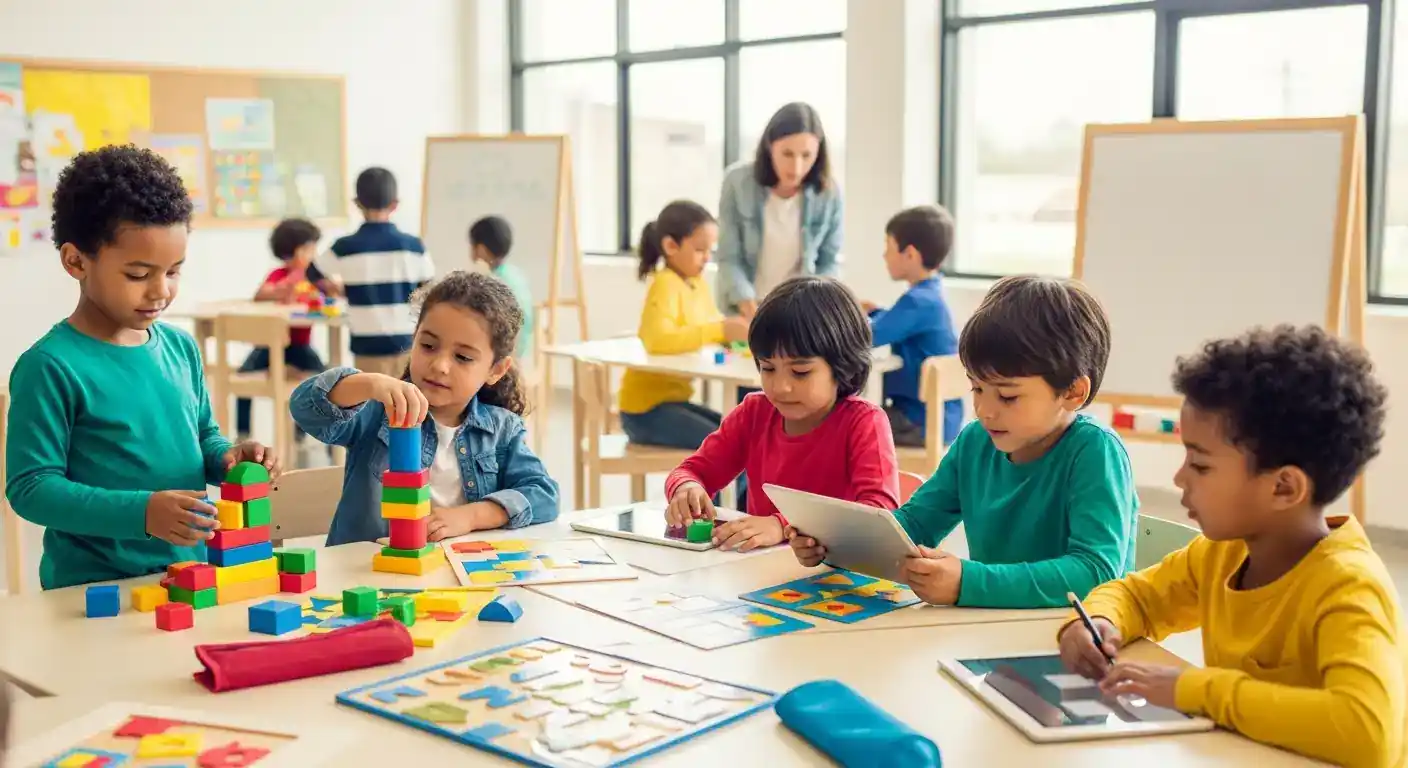
A stimulating learning environment is crucial for early childhood development. It lays the foundation for lifelong learning by nurturing curiosity, creativity, and cognitive growth. By thoughtfully designing spaces and experiences, we can empower young children to explore, discover, and reach their full potential.
Key Points:
- Fosters cognitive development
- Encourages exploration and discovery
- Promotes creativity and problem-solving
- Supports social-emotional growth
- Adaptable to individual learning styles
Creating a Stimulating Environment for Cognitive Development
A stimulating learning environment goes beyond colorful toys and engaging activities. It's about creating a space that encourages active learning, where children feel safe to explore, experiment, and make mistakes. This fosters cognitive development by providing opportunities for problem-solving, critical thinking, and language development. A recent study published in the Journal of Early Childhood Research (2024) highlighted the positive correlation between stimulating environments and language acquisition in preschoolers.
Designing Spaces for Early Childhood Learning
Consider the physical layout of the learning environment. Create designated areas for different types of activities, such as a reading nook, a building block station, and an art area. Ensure that the space is well-organized and easily accessible for young children. Incorporate natural light and elements from nature, like plants, to create a calming and inspiring atmosphere.
Activities that Stimulate Early Brain Development
- Sensory Play: Provide opportunities for sensory exploration with materials like water, sand, and playdough. This helps children develop fine motor skills and learn about different textures and properties.
- Art and Creative Expression: Encourage creativity through painting, drawing, music, and dramatic play. This allows children to express themselves and develop their imagination.
- Building and Construction: Blocks, LEGOs, and other construction materials promote problem-solving skills and spatial reasoning. Children can design and build structures, fostering creativity and engineering thinking.
- Language and Literacy: Create a print-rich environment with books, magazines, and writing materials. Encourage storytelling and reading aloud to promote language development.
Stimulating Learning Environments: Best Practices for Early Childhood
Creating a stimulating learning environment requires ongoing observation and adaptation. Observe how children interact with the space and the materials. What activities do they gravitate towards? What challenges do they face? Use these observations to modify the environment and provide tailored support. The book "Early Childhood Environments: Designing for Optimal Development" (2023) provides valuable insights into creating responsive learning spaces.
Incorporating Play-Based Learning for Cognitive Growth
Play is essential for early childhood development. It's through play that children learn about the world around them, develop social skills, and build their cognitive abilities. Provide opportunities for both structured and unstructured play. Structured play involves activities with specific learning objectives, while unstructured play allows children to explore their own interests and develop their creativity.
Differentiated Approaches to Stimulating Learning Environments
While general principles apply, creating a truly stimulating learning environment requires a differentiated approach. Consider the individual needs and learning styles of each child. Some children may thrive in a highly structured environment, while others benefit from more flexibility. Similarly, incorporating technology mindfully, like interactive learning apps vetted by educational experts, can enhance the learning experience. This contrasts with traditional methods that solely focus on physical manipulatives.
Another differentiated approach involves incorporating cultural sensitivity into the learning environment. Represent diverse cultures through books, toys, and activities. This helps children develop a sense of belonging and appreciate the richness of different cultures. A 2025 study by the National Association for the Education of Young Children (NAEYC) emphasized the importance of culturally responsive learning environments.
Internal Linking Strategy:
- Learn more about the benefits of play-based learning: /articles/the-benefits-of-play-based-learning (related article)
- Explore other cognitive development activities: /categories/cognitive-development-activities (category page)
- Discover tips for fostering social-emotional development: /articles/fostering-social-emotional-development-in-early-childhood (related article)
FAQ: Creating Stimulating Learning Environments
Q1: What is the importance of a stimulating learning environment? A stimulating learning environment is crucial for a child's cognitive, social, and emotional development. It provides opportunities for exploration, discovery, and play, which are essential for learning and growth.
Q2: How can I create a stimulating learning environment at home? You can create a stimulating home environment by designating a play area, providing age-appropriate toys and materials, reading aloud regularly, and engaging in playful activities together.
Q3: What are some examples of stimulating activities for toddlers? Stimulating activities for toddlers include sensory play with water or sand, building with blocks, reading books, singing songs, and engaging in pretend play.
Q4: How can I adapt a learning environment for children with different learning styles? Observe each child's interests and learning preferences. Provide a variety of activities and materials that cater to different learning styles, such as visual, auditory, and kinesthetic learners.
Conclusion: Nurturing Young Minds
Creating a stimulating learning environment is an ongoing process. It requires observation, adaptation, and a commitment to providing young children with the resources they need to thrive. By creating enriching experiences, we can nurture their curiosity, creativity, and love of learning. Share your thoughts and experiences in the comments below! Subscribe to our newsletter for more insights on early childhood development. For further reading, explore the resources available on the NAEYC website.
Future Expansion Topics:
- The Role of Technology in Stimulating Learning Environments
- Creating Outdoor Learning Spaces for Early Childhood
- Adapting Learning Environments for Children with Special Needs