Creating a Nurturing Learning Environment for Early Childhood Development
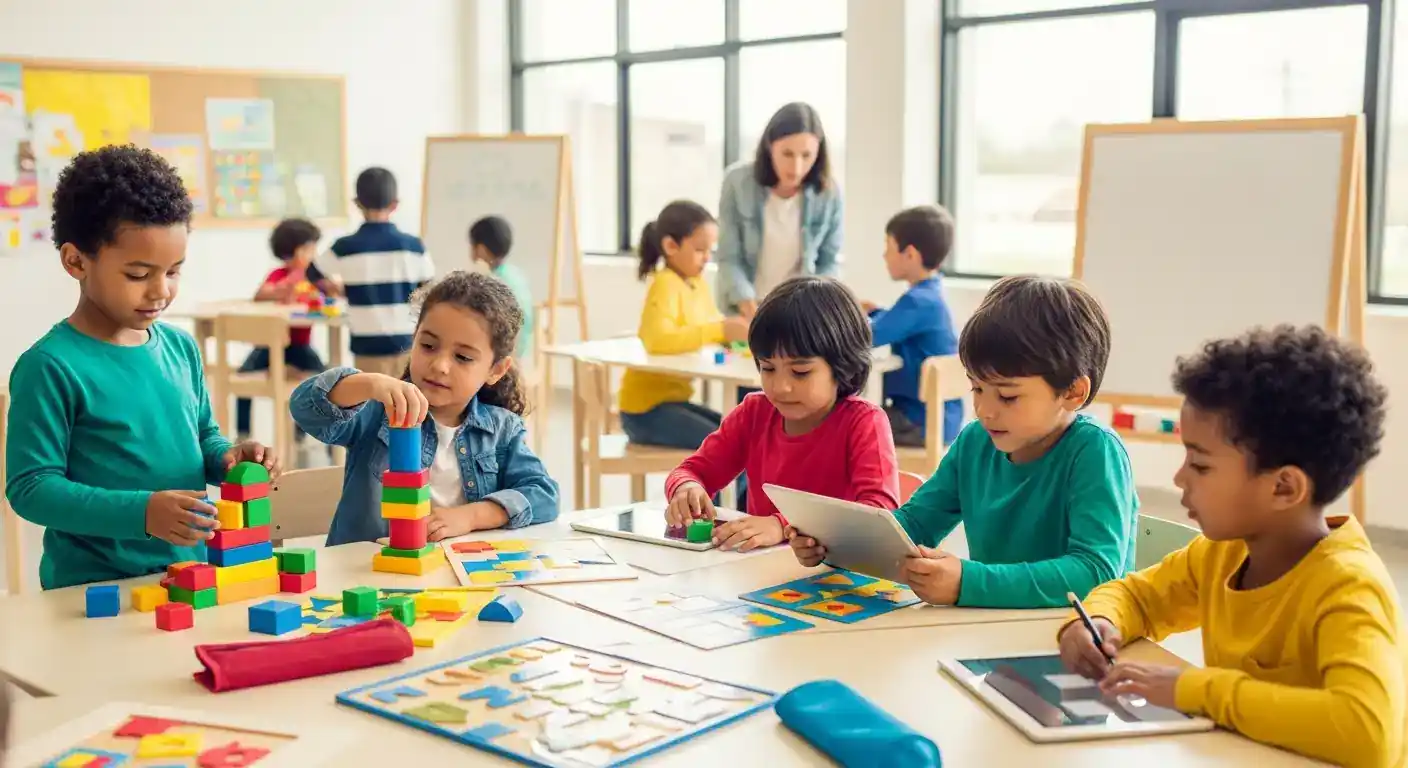
A nurturing learning environment is crucial for early childhood development, fostering not just cognitive growth, but also social-emotional well-being and a lifelong love of learning. Creating such an environment requires careful consideration of the child's developmental stage, individual needs, and the creation of a space that encourages exploration, creativity, and a sense of belonging.
Key Points:
- Stimulating Environment: Provide a space rich with engaging materials.
- Positive Interactions: Foster warm, responsive relationships.
- Play-Based Learning: Encourage exploration and discovery through play.
- Individualized Approach: Cater to each child's unique needs and pace.
- Safe and Secure Space: Ensure a physically and emotionally safe environment.
Creating a Nurturing Learning Environment: The Foundation for Growth
A nurturing learning environment in early childhood lays the foundation for future academic success and overall well-being. It provides children with the tools and support they need to develop essential skills, including language, problem-solving, and social interaction. This environment should be stimulating yet comforting, challenging yet supportive.
Designing Spaces for Optimal Early Childhood Development
The physical space plays a significant role in a child's learning experience. A well-designed environment should be organized into different learning centers, such as a reading nook, a building block area, and an art station. These areas cater to different learning styles and encourage exploration. Natural light, soft colors, and age-appropriate furniture contribute to a calming and inviting atmosphere. According to a 2024 study published in the "Journal of Early Childhood Research", environments rich in sensory experiences can significantly enhance cognitive development.
Nurturing Learning Through Play and Interaction
Play is the primary language of young children. A nurturing learning environment recognizes the importance of play-based learning, providing ample opportunities for children to explore, experiment, and discover. This might involve building with blocks, engaging in dramatic play, or creating art. These activities not only foster creativity but also develop essential cognitive skills like problem-solving and critical thinking. Furthermore, positive interactions with caregivers and peers are crucial. A 2023 report by the "National Association for the Education of Young Children" emphasized the importance of responsive caregiving in fostering secure attachments and emotional development.
Individualized Learning in a Nurturing Environment
Every child is unique, with their own learning style, pace, and interests. A truly nurturing learning environment recognizes and celebrates these individual differences. Providing differentiated instruction and activities ensures that each child receives the support they need to thrive. This might involve offering a variety of learning materials, adjusting the level of challenge, or providing one-on-one support.
Creating a Nurturing Learning Environment at Home
The principles of a nurturing learning environment can be applied at home as well. Parents can create a dedicated learning space, stocked with age-appropriate books and toys. Regularly engaging in play and conversation with children, offering encouragement and support, and fostering a love of learning are key elements. Even simple activities like reading together, singing songs, or exploring nature can contribute significantly to a child's development.
Differentiated Content:
- Focus on Emotional Safety: Beyond physical safety, this article emphasizes the importance of emotional safety in a nurturing learning environment, recognizing the impact of stress and anxiety on young children's learning.
- Integrating Technology Mindfully: Addressing the growing presence of technology in children's lives, this article offers guidance on integrating technology mindfully into the learning environment, promoting its use as a tool for learning and creativity rather than passive entertainment.
Internal Linking Strategy:
- Anchor Text: benefits of play-based learning. Target Page: /articles/the-benefits-of-play-based-learning (related article)
- Anchor Text: cognitive development activities. Target Page: /categories/cognitive-development-activities (category page)
- Anchor Text: creating a sensory-rich environment. Target Page: /articles/creating-a-sensory-rich-environment-for-early-learners (related article)
FAQ Section:
Q1: What are some key characteristics of a nurturing learning environment?
A1: A nurturing learning environment is characterized by a safe and stimulating space, positive interactions between children and caregivers, play-based learning opportunities, individualized attention, and a focus on emotional well-being.
Q2: How can I create a nurturing learning environment at home?
A2: You can create a nurturing learning environment at home by designating a dedicated learning space, providing age-appropriate materials, engaging in regular play and conversation, and fostering a love of learning through everyday activities.
Q3: What is the role of play in a nurturing learning environment?
A3: Play is essential for early childhood development. It allows children to explore, experiment, problem-solve, and develop essential social and cognitive skills in a fun and engaging way.
Q4: How can I adapt a learning environment to meet the needs of individual children?
A4: Observe each child's interests, learning style, and pace. Provide differentiated instruction and activities, offering various learning materials and adjusting the level of challenge to ensure each child feels supported and engaged.
Conclusion:
Creating a nurturing learning environment is an investment in a child’s future. By prioritizing play-based learning, positive interactions, and individualized support, we can empower young children to reach their full potential. Share your thoughts and experiences in the comments below! Subscribe to our newsletter for more articles on early childhood development. For further reading, explore resources from the "Zero to Three" organization. This article was published on 2025-08-01 and will be reviewed annually for updates.
Expandable Subtopics:
- The impact of outdoor play on early childhood development.
- Using technology effectively in a nurturing learning environment.
- Supporting children with special needs in a nurturing learning environment.