Child Development Milestones: Understanding Your Baby's Growth
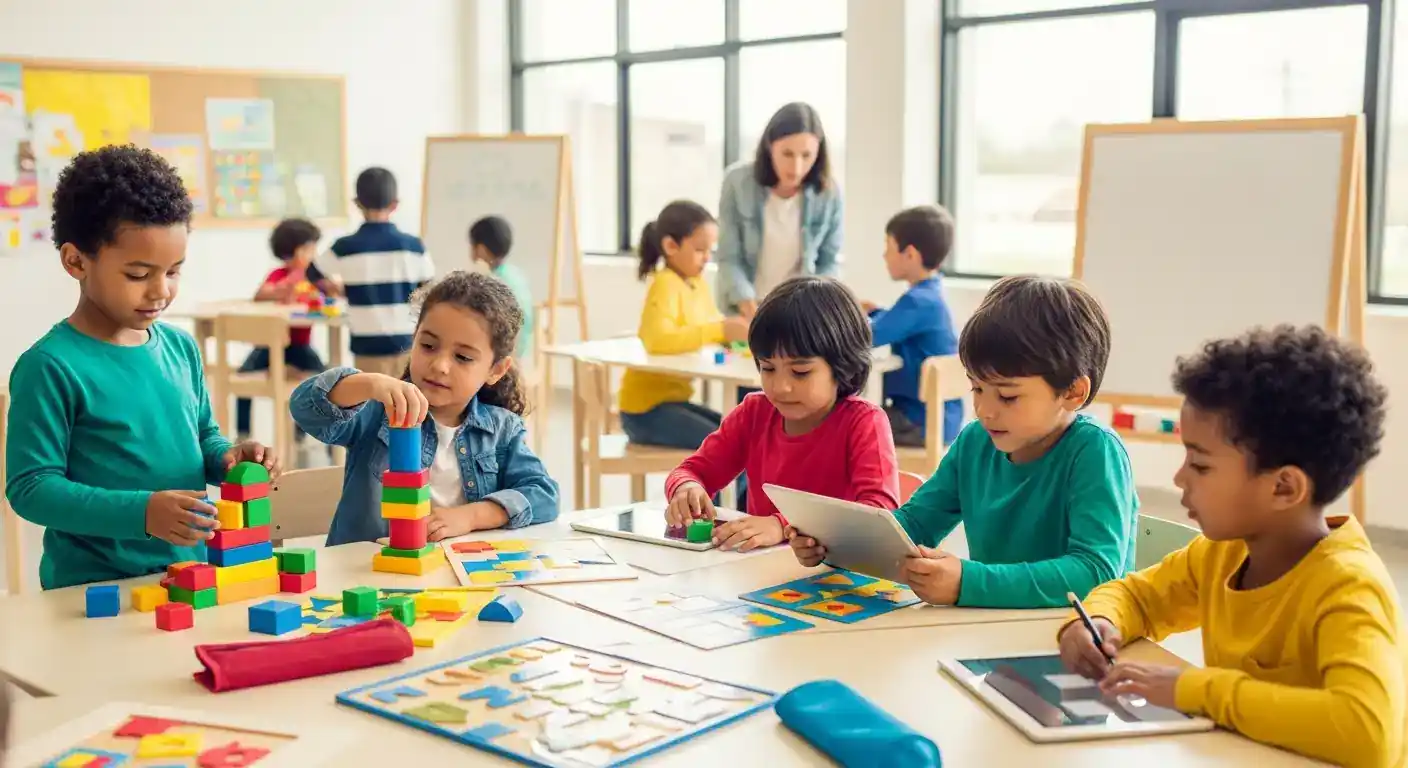
Welcoming a new baby into your life is an incredible journey, filled with immense joy and constant learning. A significant part of this journey involves observing and understanding your baby's growth and development. Child development milestones serve as valuable markers, providing insights into the typical skills and behaviors infants acquire at different stages. These milestones aren't rigid deadlines but rather general guidelines that help parents and caregivers gauge progress. This article will explore the key developmental stages, from the early weeks to the first year and beyond, offering a comprehensive look at what to expect.
Key Points
- Milestones are guides, not strict deadlines. Every child develops at their own pace.
- Development occurs across multiple domains: physical, cognitive, social-emotional, and language.
- Early intervention is crucial if significant delays are observed.
- Parental interaction significantly impacts a child's developmental trajectory.
- Understanding milestones empowers parents to support their baby's optimal growth.
Understanding the Foundations of Baby Development
Child development is a complex and fascinating process that unfolds in predictable patterns, though individual timelines can vary. Understanding these child development milestones is essential for parents to feel confident in their baby's progress and to identify potential areas where support might be beneficial. We'll delve into the different domains of development, as they are interconnected and influence each other.
Physical Development: The Building Blocks of Movement
Physical development encompasses both gross motor skills (large muscle movements) and fine motor skills (small muscle movements). These are often the most visible milestones.
Gross Motor Skills
From the moment they are born, babies begin to develop control over their bodies.
- Birth to 3 Months:
- Lifts head and chest when lying on tummy (tummy time).
- Starts to push up with arms.
- Can briefly hold head up steadily.
- Makes smoother movements with arms and legs.
- 4 to 6 Months:
- Rolls over from tummy to back and back to tummy.
- Sits with support.
- Reaches for toys with one hand.
- May start to prop themselves up on their hands when lying on their stomach.
- 7 to 9 Months:
- Sits independently without support.
- May begin to crawl (combining pushing up with leg movements).
- Pulls to stand with support.
- Can transfer objects from one hand to another.
- 10 to 12 Months:
- Crawls well.
- Stands independently for short periods.
- May take first steps with or without support.
- Cruises (walks holding onto furniture).
Fine Motor Skills
Fine motor skills involve the small muscles in the hands and fingers, crucial for tasks like grasping and manipulating objects.
- Birth to 3 Months:
- Has a strong grasp reflex; can grasp an object placed in the palm.
- Opens and closes hands.
- 4 to 6 Months:
- Reaches for and grasps objects deliberately.
- Brings objects to the mouth.
- Can shake rattles.
- 7 to 9 Months:
- Develops the pincer grasp (using the thumb and forefinger) to pick up small objects.
- Explores objects with hands and mouth.
- Bangs objects together.
- 10 to 12 Months:
- Can pick up small items like cereal.
- Starts to poke objects with index finger.
- May be able to put objects into a container.
Cognitive Development: Exploring and Understanding the World
Cognitive development refers to a child's ability to think, learn, remember, and problem-solve. This domain is deeply intertwined with sensory exploration and play.
- Birth to 3 Months:
- Visually tracks moving objects.
- Recognizes familiar faces.
- Responds to sounds by changing sucking or startling.
- Shows interest in their surroundings.
- 4 to 6 Months:
- Looks around at surroundings with interest.
- Starts to imitate facial expressions.
- Enjoys playing with others, especially parents.
- Recognizes their own name.
- Begins to understand cause and effect (e.g., shaking a rattle makes noise).
- 7 to 9 Months:
- Explores objects in different ways, such as shaking or banging them.
- Puts objects in their mouth to explore.
- Looks for objects that have fallen or been hidden (object permanence).
- Shows curiosity about things they can’t reach.
- 10 to 12 Months:
- Can find hidden objects.
- Begins to understand and respond to simple requests.
- Explores how things work by shaking, banging, and throwing.
- May imitate gestures.
- Looks at the correct person when shown a picture of someone they know.
A groundbreaking study by the National Institute of Child Health and Human Development (2024) highlights the critical role of early sensory experiences in shaping neural pathways for cognitive growth. Providing varied tactile, auditory, and visual stimuli can significantly support this phase.
Language and Communication Milestones: From Cries to Words
The development of language and communication is a fascinating progression, beginning with non-verbal cues and evolving into spoken words.
- Birth to 3 Months:
- Cries to express needs.
- Makes cooing sounds.
- Turns towards sounds.
- Smiles spontaneously.
- 4 to 6 Months:
- Babbles with sounds like "mmm" and "aaa."
- Laughs.
- Makes sounds to express joy and displeasure.
- Turns head towards voices.
- 7 to 9 Months:
- Babbles strings of sounds like "bababa" and "mamama."
- Uses gestures to communicate (e.g., waving bye-bye).
- Responds to their name.
- Understands "no."
- 10 to 12 Months:
- Says "mama" and "dada" specifically to parents.
- May say one or two other simple words.
*   Understands simple phrases like "come here."
*   Uses gestures like pointing.
*   Imitates sounds and gestures.
Social and Emotional Development: Connecting with Others
This domain focuses on a child's ability to form relationships, understand and manage emotions, and develop a sense of self.
- Birth to 3 Months:
- Begins to smile at people.
- Can briefly calm themselves by sucking.
- Looks at faces.
- Recognizes familiar people by smell, touch, and sight.
- 4 to 6 Months:
- Smiles spontaneously, especially at people.
- Enjoys playing with others.
- Cries when playing stops.
- Shows happiness and sadness.
- Responds to others' emotions.
- 7 to 9 Months:
- Becomes shy or anxious around strangers.
- Shows a favorite toy.
- Mimics gestures.
- Understands "no."
- Plays simple games like peek-a-boo.
- 10 to 12 Months:
- Is shy around strangers.
- Cries when their mother or father leaves.
- Has favorite people or objects.
- Shows what they want by holding out or pointing.
- Feeds themselves small bits of food.
- May be clingy with familiar adults.
A 2023 report by the American Academy of Pediatrics emphasizes the critical nature of responsive caregiving in fostering secure attachment, a cornerstone of healthy social-emotional development. Parents' consistent and sensitive responses to their baby's cues build trust and emotional resilience.
Differentiated Value: Beyond the Basics
While understanding standard milestones is vital, it's also important to recognize nuances and emerging trends in child development.
- The Gut-Brain Axis and Early Development: Emerging research (published 2025) points to the significant influence of the gut microbiome on brain development, impacting mood, cognition, and even communication skills. For example, studies are exploring how factors like infant feeding practices and early probiotic exposure might correlate with smoother social-emotional development and reduced fussiness. This highlights a deeper biological connection influencing observed milestones.
- The Role of Technology in Monitoring and Support: While not replacing human interaction, advanced technologies are starting to offer new ways to support development. Think of AI-powered apps that analyze baby's babbling patterns for early language development insights or wearable sensors that track sleep and movement for developmental pattern analysis. These tools, when used thoughtfully, can provide parents with data-driven observations to complement their own.
Supporting Your Baby's Development at Every Stage
Understanding milestones is only half the battle; actively supporting your baby's growth is key.
- Tummy Time: Crucial for developing neck and upper body strength, essential for crawling and sitting. Make it fun with engaging toys and interaction.
- Responsive Interaction: Talk, sing, and read to your baby daily. Respond to their cries and babbling; this interaction fosters language and emotional security.
- Sensory Exploration: Offer a variety of safe textures, sounds, and sights. This stimulates cognitive development and sensory processing.
- Play-Based Learning: Engage in simple games like peek-a-boo, which teaches object permanence and social interaction. Provide age-appropriate toys that encourage grasping and manipulation for fine motor skill development.
- Encourage Independence: As your baby grows, allow them to explore their environment safely. This fosters curiosity and problem-solving skills. For instance, when they start reaching for toys, ensure safe opportunities for them to practice.
Frequently Asked Questions (FAQs)
Q1: What should I do if my baby is not meeting a specific milestone? A: It's important to remember that child development milestones are average timelines. If you have concerns, the best approach is to discuss them with your pediatrician. They can assess your baby's overall development and recommend further steps, which might include developmental screenings or therapies if needed.
Q2: How much can my baby's development vary from the norm? A: While milestones provide a useful framework, there is a wide range of normal development. Some babies might reach certain milestones earlier, while others take a bit longer. Factors like temperament, environment, and individual growth patterns play a significant role.
Q3: Are there specific activities that help with cognitive development? A: Absolutely! Activities like playing with age-appropriate toys, reading books, singing songs, and engaging in sensory play (e.g., exploring different textures) are excellent for fostering cognitive growth. These interactions help build neural connections and problem-solving skills.
Q4: How do I know if my baby's social and emotional development is on track? A: Look for signs of engagement like smiling, laughing, responding to your emotions, and eventually showing interest in others. As your baby grows, observe their ability to form attachments, express basic emotions, and engage in simple social games. Again, discuss any significant worries with your doctor.
Conclusion and Next Steps
Understanding child development milestones is a powerful tool for parents and caregivers. It allows you to celebrate your baby's achievements and provide targeted support for their growth across all domains. Remember that every child is unique, and their journey will be individual. By staying engaged, responsive, and informed, you are laying a strong foundation for your baby's future well-being.
Continue to observe, interact, and enjoy each stage of your baby's development. For more in-depth information on supporting early learning, explore articles on stimulating infant senses. If you're interested in fostering early communication, consider resources on language acquisition strategies.
We encourage you to share your own experiences and insights in the comments below. What milestones have surprised you the most? What strategies have you found effective in supporting your baby's growth? Let's learn and grow together!