A Guide to Different Early Childhood Education Learning Frameworks
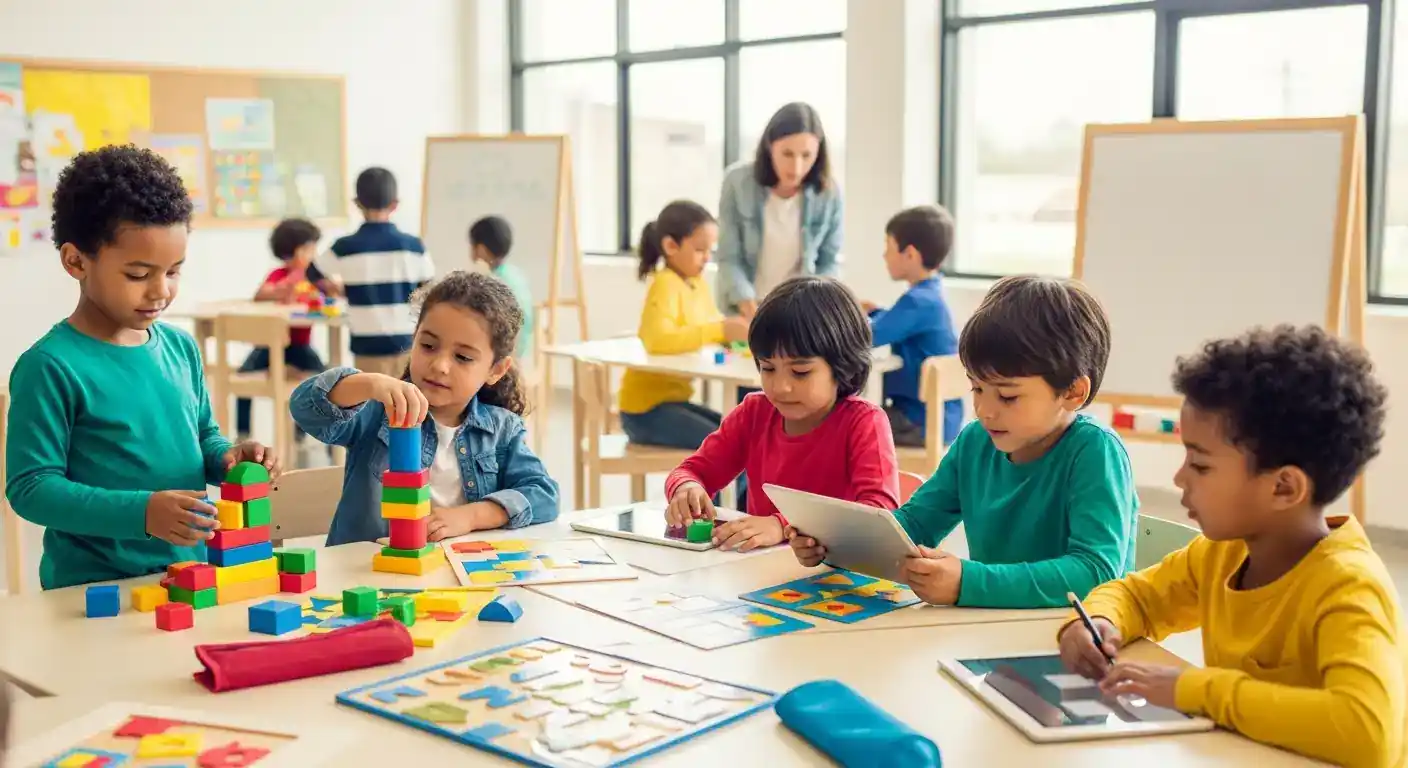
Choosing the right early childhood education learning framework is crucial for a child's development. This guide explores various frameworks, helping parents and educators make informed decisions. Understanding these frameworks provides a foundation for fostering a child's social-emotional, cognitive, and physical growth.
Key Points:
- Discover different early childhood education learning frameworks.
- Understand the philosophies behind each framework.
- Compare and contrast various approaches to early learning.
- Consider the best fit for your child's individual needs.
- Learn how these frameworks impact social-emotional development.
Exploring Early Childhood Education Learning Frameworks
Numerous early childhood education learning frameworks exist, each with its unique approach. Understanding these frameworks is essential for selecting the best educational environment. This guide explores some of the most popular and influential approaches.
Montessori Method
The Montessori Method emphasizes self-directed learning and hands-on activities. Children learn at their own pace in a prepared environment. This framework fosters independence and a love for learning. Practical life skills are a key component, preparing children for real-world experiences. (Source: The Montessori Method by Maria Montessori, 2023 Edition)
Reggio Emilia Approach
The Reggio Emilia approach views children as capable and resourceful learners. It emphasizes project-based learning and collaboration. The environment is considered the "third teacher," playing a crucial role in the learning process. Creative expression is highly valued, and children are encouraged to explore their ideas through various mediums. (Source: The Hundred Languages of Children, 2024 Edition)
Waldorf Education
Waldorf Education focuses on holistic development, nurturing the child's intellectual, artistic, and social-emotional growth. Imaginative play and creativity are central to this framework. Nature plays a significant role, with outdoor activities and natural materials incorporated into the learning experience. (Source: Understanding Waldorf Education, 2025 Edition)
Comparing Early Childhood Education Frameworks: Finding the Right Fit
Choosing the right framework depends on the individual child's needs and learning style. Considering various factors like the child's personality, learning preferences, and family values is crucial. This personalized approach ensures a positive and enriching educational experience.
Focusing on Social-Emotional Learning within Frameworks
Social-emotional learning (SEL) is integrated into each framework in different ways. Montessori fosters independence and self-regulation. Reggio Emilia emphasizes collaboration and communication. Waldorf encourages empathy and social responsibility. Understanding how each framework approaches SEL can help parents and educators make informed decisions.
Differentiated Insights into Early Childhood Education
While traditional explanations often focus on the basic tenets of each framework, recent research highlights the importance of adapting these frameworks to meet the evolving needs of today's children. This includes incorporating technology mindfully and addressing the impact of screen time on early development. Furthermore, recognizing the increasing diversity in classrooms and tailoring the learning environment to be inclusive and culturally responsive is crucial.
Frequently Asked Questions about Early Childhood Education Learning Frameworks
Q1: What is the best early childhood education framework?
A1: There is no single "best" framework. The ideal approach depends on the individual child's needs and learning style. Considering factors like the child's personality, learning preferences, and family values is essential.
Q2: How do these frameworks differ in their approach to learning?
A2: Each framework has a distinct philosophy and methodology. Montessori emphasizes self-directed learning, Reggio Emilia focuses on project-based learning, and Waldorf prioritizes holistic development.
Q3: How can I choose the right framework for my child?
A3: Research different frameworks, visit schools, and talk to educators. Consider your child's personality, learning style, and your family's educational values.
Q4: How do these frameworks support social-emotional development?
A4: Each framework integrates social-emotional learning in unique ways. Montessori fosters independence, Reggio Emilia promotes collaboration, and Waldorf encourages empathy.
Conclusion: Choosing the Best Path for Your Child
This guide provides an overview of different early childhood education learning frameworks. By understanding the key principles of each approach, you can make an informed decision that supports your child's unique needs and learning style. Share this guide with other parents and educators, and let us know your thoughts in the comments below. Subscribe for more valuable insights on early childhood education.
Further Reading:
For a deeper dive into social-emotional learning, explore our articles on /categories/social-emotional-learning. Learn more about implementing the Montessori method at home in our article /articles/practical-montessori-activities-for-preschoolers. Discover how to create a Reggio Emilia inspired play space at home with our guide /articles/creating-a-reggio-emilia-inspired-play-space.
Expandable Subtopics for Future Updates:
- In-depth exploration of specific learning activities within each framework.
- The role of technology in modern early childhood education frameworks.
- Adapting these frameworks for children with special needs.
Update Frequency: This guide will be reviewed and updated annually to reflect the latest research and trends in early childhood education.